
Ever found yourself squinting at your workbench, trying to figure out how to protect your eyes without ditching your prescription specs? Or perhaps you’ve wrestled with ill-fitting safety eyewear that leaves you feeling like you’re peering through a foggy fishbowl? You’re definitely not alone in this struggle.
For millions of Australians who rely on prescription glasses, finding the right safety eyewear can feel like solving a puzzle. Whether you’re working in construction, handling chemicals in a laboratory, or tackling a weekend DIY project in the garage, protecting your eyes is absolutely non-negotiable. But here’s the thing – sacrificing your ability to see clearly isn’t an option either.
In this guide, we’ll walk you through five practical tips for wearing safety glasses over glasses your prescription specs. You’ll discover how to choose the right style, achieve a comfortable fit, prevent annoying fogging, explore prescription alternatives, and keep your eyewear in top condition. By the time you’re done reading, you’ll have all the knowledge you need to stay protected without compromising your vision. Let’s get stuck into it!
Choose the Right Style of Over-Glasses Safety Eyewear
What Are OTG (Over-The-Glasses) Safety Glasses?
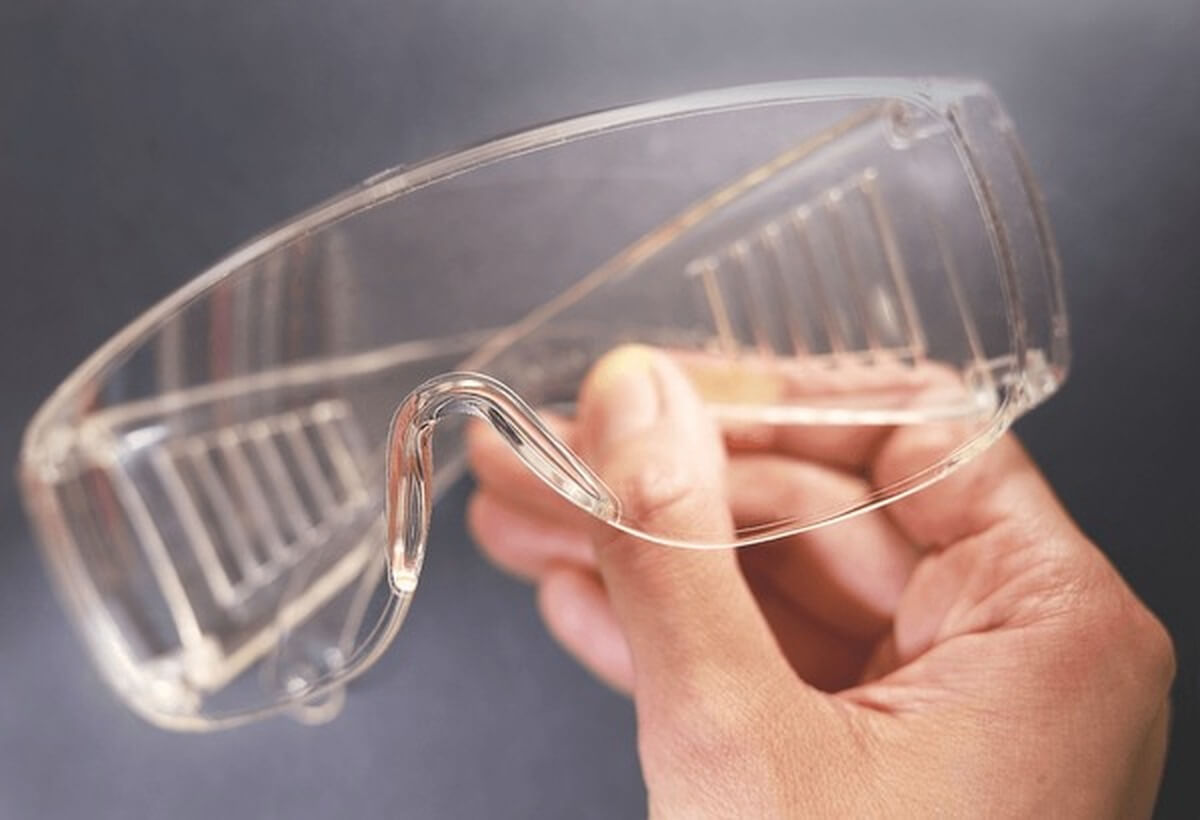
OTG safety glasses are specifically designed to fit comfortably over your existing prescription eyewear. Unlike standard safety glasses that sit directly on your face, these have larger frames and deeper lens cavities to accommodate your specs underneath. Think of them as a protective shell that wraps around your regular glasses.
These specialised glasses come in multiple styles, from wraparound designs to goggles with adjustable straps. The key is finding one that suits your work environment and the type of hazards you’re dealing with.
Key Features to Look for in OTG Safety Glasses
When shopping for OTG safety glasses, keep an eye out for these essential features:
– Wide temple arms</strong> that don’t press against your prescription frames
– Deep lens cavities</strong> providing adequate space for various frame sizes
– Wraparound designs</strong> offering peripheral protection
– Adjustable nose pieces</strong> for customised comfort
– Anti-scratch coatings</strong> to extend the lifespan of your lenses
Can You Wear Safety Glasses Over Reading Glasses?
Absolutely! Reading glasses typically have smaller frames than regular prescription specs, making them even easier to accommodate. Just make sure the OTG glasses you choose offer sufficient coverage to protect your eyes from all angles. Many workers with reading glasses find this combination works brilliantly for detailed work tasks.
Ensure a Proper and Comfortable Fit
How Should Safety Glasses Fit Over Prescription Glasses?
Getting the fit right is crucial for both comfort and protection. Your OTG safety glasses should sit snugly without pressing against your prescription frames. There should be a small gap between the safety lens and your prescription lenses – roughly 3-5 millimetres works well for most people.
The safety glasses should also extend beyond the edges of your prescription frames. This ensures complete protection from flying debris, dust, and other hazards that might sneak in from the sides.
Avoiding Pressure Points and Discomfort
Nothing ruins a workday faster than safety glasses over glasses that dig into your temples or press uncomfortably against your nose. To avoid this, look for models with padded temple tips and adjustable nose bridges. Some premium options feature soft rubber inserts that distribute pressure evenly.
If you’re experiencing discomfort, try adjusting the temple arms first. Many OTG glasses have flexible frames that can be gently bent to accommodate different head shapes. Don’t be afraid to experiment with different positions until you find your sweet spot.

What to Do If Your Safety Glasses Keep Slipping
Slipping safety glasses are both annoying and dangerous. If yours won’t stay put, consider these quick fixes:
– Add a retaining strap to keep them secure
– Look for models with rubberised temple grips
– Tighten any adjustable straps or bands
– Consider a different frame style that better suits your face shape
Prevent Fogging and Maintain Clear Vision
Why Do Safety Glasses Fog Up Over Prescription Lenses?
Fogging occurs when warm, moist air meets cooler lens surfaces. When you’re wearing two sets of glasses, you’ve essentially doubled the surfaces where condensation can form. Physical activity, warm environments, and even your own breath can trigger this frustrating phenomenon.
The space between your prescription lenses and safety lenses creates a perfect little microclimate for fog to develop. This is especially problematic in environments where temperature fluctuations are common.
Anti-Fog Coatings and Ventilation Solutions
Modern OTG safety glasses often come with built-in anti-fog technology. Look for lenses treated with hydrophilic coatings that spread moisture evenly across the surface rather than allowing it to bead up and obstruct your vision.
Ventilation is equally important. Many high-quality OTG glasses feature strategically placed vents that allow air circulation without compromising protection. These vents help regulate temperature and reduce moisture buildup between the lens layers.
Quick Tips for Fog-Free Workdays
– Apply anti-fog spray to both your prescription and safety lenses
– Make sure your safety glasses aren’t sitting too close to your face
– Take short breaks to allow air circulation
– Consider glasses with foam seals that include ventilation channels
– Keep a microfibre cloth handy for quick wipe-downs
Consider Prescription Safety Glasses as an Alternative
Are Prescription Safety Glasses Worth the Investment?
If you find yourself wearing safety eyewear daily, prescription safety glasses might be a game-changer. These are safety glasses with your prescription built directly into the lenses, eliminating the need for two sets of eyewear altogether.
The upfront cost is higher than standard OTG options, but the benefits are substantial. You get better clarity, improved comfort, and a streamlined profile that many workers prefer. Plus, you’ll never have to worry about your prescription glasses shifting underneath.
Comparing OTG Safety Glasses vs Prescription Safety Glasses
| Feature | OTG Safety Glasses | Prescription Safety Glasses |
| Initial Cost | Lower | Higher |
| Comfort | Good | Excellent |
| Clarity | Good | Superior |
| Convenience | Requires two sets | Single pair |
| Flexibility | Works with any prescription glasses | Needs updating with prescription changes
For occasional use, OTG glasses make perfect sense. But for daily wear, prescription safety glasses often prove more cost-effective in the long run.
Where to Get Prescription Safety Glasses in Australia
Many Australian optometrists now offer prescription safety eyewear as part of their services. Workwear suppliers and safety equipment retailers also stock prescription options. When shopping, confirm that any glasses you purchase meet AS/NZS 1337.1 certification standards for eye protection.

Maintain and Care for Your Safety Eyewear
How to Clean Safety Glasses Without Scratching Them
Proper cleaning extends the life of your safety glasses significantly. Always rinse your lenses under lukewarm water before wiping – this removes abrasive particles that could cause scratches. Use a mild soap or lens cleaner specifically designed for eyewear.
Avoid paper towels, tissues, or your shirt – these materials can scratch lens coatings. Instead, use a clean microfibre cloth and gentle circular motions. For stubborn grime, let soapy water sit on the lenses for a minute before wiping.
When Should You Replace Your Safety Glasses?
Even well-maintained safety glasses don’t last forever. Replace yours when you notice:
– Visible scratches affecting your vision
– Cracks or chips in the lenses or frames
– Loose or damaged temple arms
– Deteriorating nose pads or seals
– Yellowing or discolouration of the lenses
As a general rule, inspect your safety glasses weekly and replace them at least annually, even if they appear undamaged.
Storing Your Eyewear to Extend Its Lifespan
When you’re not wearing your safety glasses, store them in a protective case. Avoid leaving them on dusty surfaces or in direct sunlight, as UV exposure can degrade certain lens materials. A dedicated hook or shelf in your workspace keeps them accessible while protecting them from accidental damage.
Protecting Your Eyes Without Compromising Your Vision
Wearing safety glasses over glasses your prescription specs doesn’t have to be a headache. With the right OTG glasses, proper fitting techniques, and good maintenance habits, you can protect your eyes comfortably throughout the workday.
Remember, the best safety eyewear is the kind you’ll actually wear consistently. Whether you opt for OTG glasses or invest in prescription safety eyewear, prioritising both protection and comfort makes all the difference. Take the time to find options that work for your specific needs and workplace requirements.
Your eyes are irreplaceable, and so is your clear vision. By following these five tips, you’re setting yourself up for safe, productive work without squinting, fogging, or discomfort. Stay safe out there, and don’t hesitate to explore different options until you find your perfect fit!