

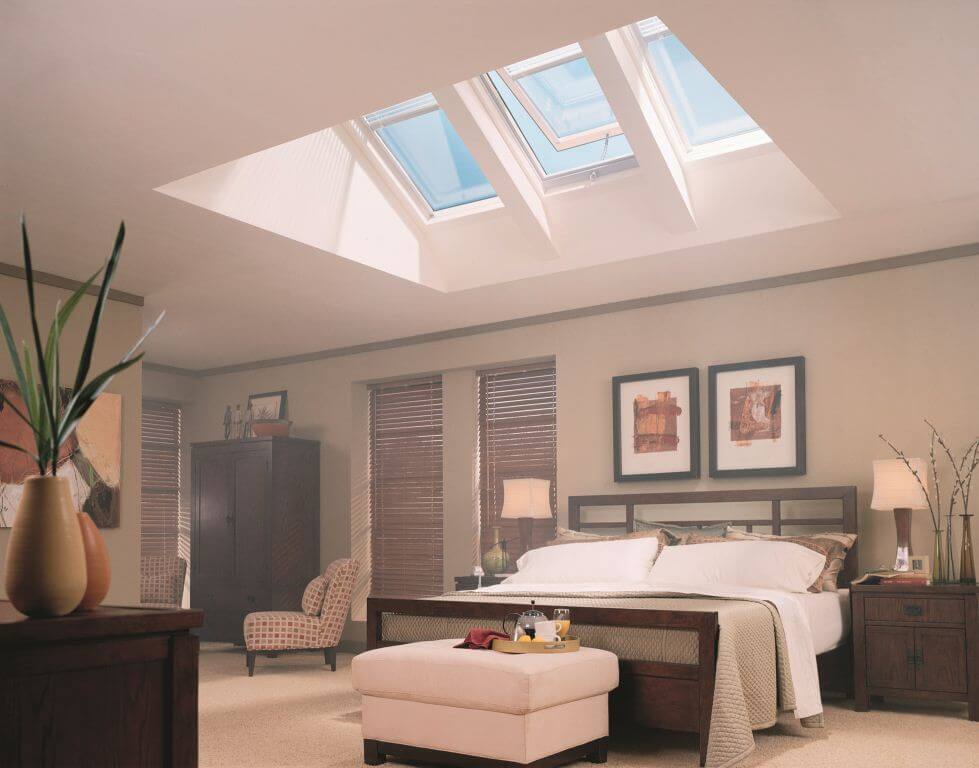
Ever wondered what it would be like to wake up to natural sunlight streaming into your bedroom? Or perhaps you’ve been dreaming about transforming that dark, gloomy hallway into a bright, welcoming space? What if there was a simple way to slash your electricity bills while making your home feel more spacious and connected to the outdoors?
Skylights are revolutionising the way Australian homeowners think about natural light. These clever roof windows have moved well beyond their basic function of letting sunshine in. Today, they’re sophisticated architectural features that can completely transform how you experience your living spaces. From cosy bedrooms to sprawling open-plan kitchens, skylights bring a touch of the sky indoors.
In this comprehensive guide, you’ll discover everything you need to know about skylight installation. We’ll explore the different types available, break down the costs involved, and walk you through the installation process step by step. You’ll also learn about potential challenges, maintenance requirements, and whether a skylight is truly worth the investment for your home. Whether you’re building a new property or renovating an existing one, this guide will help you make an informed decision.
What Is A Skylight And How Does It Work?
The Basic Anatomy Of A Skylight
At its core, a skylight is simply a window installed in your roof rather than your walls. However, there’s more to these fixtures than meets the eye. A typical skylight consists of several key components: the glazing (the glass or acrylic panel), the frame that holds everything together, flashing to prevent water ingress, and often a shaft that connects the roof opening to your ceiling.
Modern skylights use advanced glazing technologies to control heat, UV rays, and light transmission. You’ll find options ranging from single-pane glass to triple-glazed units with low-emissivity coatings. The frame materials vary too, including aluminium, timber, and uPVC, each offering different benefits in terms of durability and insulation.
How Skylights Bring Natural Light Into Your Home
Skylights capture light from directly above, which is far more effective than vertical windows. On an overcast day, a skylight can deliver up to three times more light than a standard wall window of the same size. This makes them perfect for rooms in the centre of your home that don’t have access to exterior walls. The light quality is different too—softer, more diffused, and evenly distributed throughout the space.
Types Of Skylights: Which One Is Right For Your Home?
Fixed and Ventilating Options
Fixed skylights are the most straightforward option. They don’t open, making them completely weatherproof and generally more affordable. These work brilliantly in areas where you simply want more light without ventilation, such as hallways, stairwells, or living rooms with existing airflow.
Ventilating skylights, on the other hand, can be opened to allow fresh air circulation. They’re ideal for bathrooms, kitchens, and bedrooms where moisture control and airflow matter. Many modern versions come with electric motors and rain sensors that automatically close the skylight if wet weather arrives.
Tubular and Custom Architectural Skylights
Tubular skylights are compact solutions perfect for smaller spaces like walk-in wardrobes, laundries, or ensuites. They use a reflective tube to channel light from the roof down to a ceiling diffuser, making them suitable for situations where a traditional skylight isn’t practical.
For those with grander ambitions, custom architectural skylights offer endless possibilities. Think large glass panels spanning entire rooms, pyramid skylights, or even walkable glass floors. These premium options come with premium price tags but can completely transform a property’s character.
The Skylight Installation Process Explained
Planning and Location Selection
Every successful skylight installation starts with thorough planning. A professional installer will assess your roof structure, identify any obstacles like beams or pipes, and determine the optimal placement for maximum light benefit. North-facing skylights capture the most consistent light throughout the day, while south-facing options provide softer, more diffused illumination.
The internal shaft design requires careful consideration too. A straight shaft delivers focused light, while a splayed shaft spreads light across a wider area. Your installer should discuss these options and recommend the best approach for your specific situation.
Installation Day and Finishing
On installation day, the process typically takes between four and eight hours for a standard skylight. The team will cut openings in both the roof and ceiling, install the frame and flashing, position the glazing unit, and build the internal shaft. Waterproofing is absolutely critical—proper flashing techniques and quality sealants make the difference between a trouble-free skylight and ongoing leak issues.
Do Skylights Leak and How Can You Prevent It?
Leaking skylights have earned an unfortunate reputation, but most problems stem from poor installation rather than inherent design flaws. The main culprits include improper flashing installation, degraded seals, and blocked drainage channels that allow water to pool.
Quality installation is your best defence. Make sure your installer uses manufacturer-approved flashing kits and follows proper techniques. Regular maintenance helps too—inspect seals annually, keep drainage channels clear of debris, and address any issues promptly before they escalate. With proper care, a well-installed skylight should remain watertight for its entire lifespan.
Are Skylights Energy Efficient?
Balancing Light and Temperature Control
Skylights can be wonderfully energy efficient or surprisingly costly, depending on your choices. The right glazing makes all the difference. Look for units with low-E coatings that reflect heat while allowing light through. Double or triple glazing provides better insulation than single-pane options, keeping your home cooler in summer and warmer in winter.
Positioning plays a crucial role too. East-facing skylights capture morning light but can overheat rooms by midday. West-facing units bring afternoon sun but may cause excessive heat gain during summer. Consider adding blinds or external awnings to control heat and light levels throughout the day.
Planning Permission and Building Regulations
Good news for most homeowners—skylights typically don’t require council approval if they fall within certain parameters. However, heritage-listed properties, units with strata restrictions, and homes in bushfire-prone areas may face additional requirements.
Australian building codes specify requirements for structural integrity, weatherproofing, and energy efficiency. Your installer should be familiar with these regulations and ensure your skylight meets all necessary standards. Always confirm compliance before work begins to avoid costly rectification work later.
Conclusion: Is a Skylight the Right Choice for Your Home?
Skylight Installation represents a significant decision that can genuinely transform your living experience. The benefits are compelling—abundant natural light, reduced electricity costs, improved ventilation, and that wonderful connection to the sky above. When properly installed and maintained, skylights offer years of trouble-free performance and can add genuine value to your property.
However, skylights aren’t perfect for every situation. Consider your climate, roof orientation, and budget carefully before committing. Think about whether you’re prepared for the ongoing maintenance and ensure you choose a reputable installer who stands behind their work.
If you’re ready to bring more natural light into your home, start by getting quotes from several qualified installers. Ask about their experience, check their references, and don’t automatically choose the cheapest option. Your skylight should be a source of joy for decades to come, so it’s worth investing in quality from the start. Take your time, do your research, and soon you could be enjoying those beautiful sunrises from the comfort of your bed.