

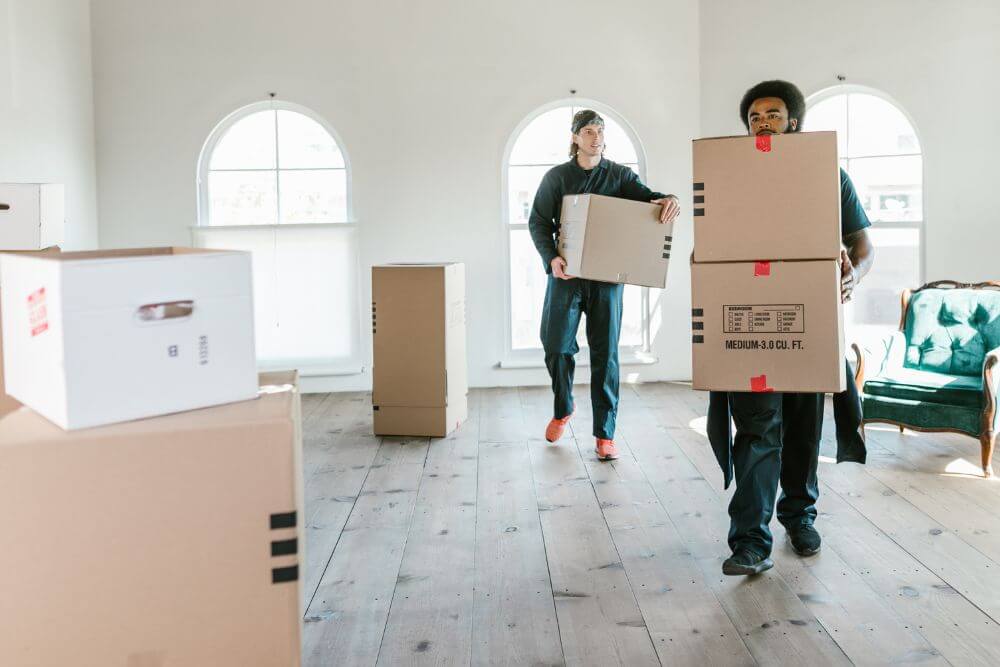
Ever found yourself surrounded by cardboard boxes at midnight, wondering where on earth you packed the kettle? Or perhaps you’ve stared at a wardrobe full of clothes, completely overwhelmed about where to even begin? Moving house ranks among life’s most stressful experiences, but here’s the thing – it really doesn’t have to be that way.
The secret to a smooth move lies in smart preparation and a solid game plan. Whether you’re relocating across Melbourne or making the big shift from Sydney to Brisbane, the packing process can feel like climbing a mountain. But with the right approach, you can turn that mountain into a manageable hill.
In this guide, we’ll walk you through everything you need to know about packing like a pro. From creating a realistic timeline to mastering the art of labelling, you’ll discover practical strategies that work. We’ll tackle the tricky rooms (yes, we’re looking at you, kitchen), explore how to protect your precious belongings, and share insider tips that’ll have you unpacking in your new home with a smile. Let’s get stuck into it.
How to Move Stress Free: Starting with the Right Mindset
Understanding Why Moving Feels So Stressful
Moving triggers stress for good reason. You’re literally uprooting your entire life, making countless decisions, and facing the unknown all at once. Plus, there’s the physical exhaustion of packing, lifting, and organising. Your brain goes into overdrive trying to manage it all.
The good news? Recognising this stress is the first step to managing it. When you understand that feeling overwhelmed is completely normal, you can take steps to break the process down into bite-sized chunks.
Setting Realistic Expectations for Your Move
Here’s some honest advice: your move won’t be perfect, and that’s absolutely fine. Accept that some things might go sideways. Maybe a box will get lost, or you’ll forget to pack something essential. It happens to everyone.
Set achievable daily goals rather than trying to pack your entire house in a weekend. Give yourself permission to take breaks and ask for help when you need it. This mindset shift alone can transform your moving experience from chaotic to manageable.
Creating Your Ultimate Moving Timeline
How Far in Advance Should You Start Packing for a Move?
Ideally, start the packing process about six to eight weeks before your moving date. This might seem early, but trust us – time flies when you’re sorting through years of accumulated belongings. Starting early means less panic and more control.
Begin with items you rarely use: seasonal decorations, books you’ve already read, and those kitchen gadgets collecting dust. This approach lets you chip away at the task without disrupting your daily routine.
Week-by-Week Packing Schedule
Six weeks out: Start decluttering and gathering packing supplies. Tackle storage areas like the garage, attic, or spare room.
Four weeks out: Pack non-essential rooms and items. Think guest bedrooms, formal dining areas, and decorative pieces.
Two weeks out: Focus on main living areas. Start packing kitchen items you don’t use daily.
Final week: Pack remaining essentials, leaving out only what you absolutely need.
What to Pack First When Moving House
Always start with the areas you use least. That collection of novels in the study? Pack them. The formal dinner set that only comes out at Christmas? Box it up. Seasonal clothing, artwork, and decorative items should go early too. Leave everyday items like toiletries, basic kitchen supplies, and current wardrobe pieces until the final days.
Gathering Your Packing Supplies
Essential Packing Materials You’ll Need
Stock up on sturdy boxes in multiple sizes. You’ll also need quality packing tape, bubble wrap, packing paper, and markers for labelling. Don’t forget scissors, a tape dispenser, and furniture blankets for larger items.
Where to Find Free or Affordable Moving Boxes in Australia
Check with local supermarkets, bottle shops, and office supply stores – they often have boxes they’re happy to give away. Facebook Marketplace and Gumtree are goldmines for second-hand moving supplies. Many removal companies also sell affordable box bundles.
Eco-Friendly Packing Alternatives
Consider using towels, linens, and clothing as padding instead of bubble wrap. Newspaper works brilliantly for wrapping dishes. Reusable plastic crates can be hired from moving companies, reducing cardboard waste significantly.
The Room-by-Room Packing Strategy
How Do You Pack a House Efficiently?
The room-by-room approach keeps things organised and prevents that dreaded “mixed box” situation. Complete one room before moving to the next. This method also makes unpacking a breeze because everything from each space stays together.
Kitchen Packing Tips: Tackling the Trickiest Room
The kitchen is often the most challenging room. Start by packing appliances you rarely use. Wrap dishes individually in packing paper and stand plates vertically – they’re less likely to break. Use smaller boxes for heavy items like pots and pans to keep weight manageable.
Bedroom and Wardrobe Organisation
Wardrobe boxes are fantastic for hanging clothes – they can go straight from wardrobe to box to new wardrobe. For folded items, vacuum storage bags save space and protect against moisture. Don’t forget to clean out bedside drawers; you’ll be surprised what’s hiding in there.
Bathroom Essentials and Last-Minute Items
Pack toiletries last, as you’ll need them right up until moving day. Use waterproof bags for liquids to prevent leaks. Dispose of expired medications and old cosmetics – there’s no point moving things you won’t use.
Living Areas and Electronics
Take photos of electronic setups before unplugging. This makes reconnecting everything so much simpler. Keep cables with their corresponding devices by taping them together or placing them in labelled bags.
Packing Fragile and Valuable Items
What Is the Best Way to Pack Fragile Items for Moving?
Wrap each fragile item individually and fill empty spaces in boxes with paper or bubble wrap. Always mark boxes as “fragile” on multiple sides. Pack these boxes tighter so contents can’t shift during transport.
Protecting Artwork, Mirrors, and Antiques
Use picture boxes or create custom protection with cardboard corners. Never lay mirrors flat – transport them upright. For antiques, consider professional packing services if the items are particularly valuable.
Safely Transporting Important Documents
Keep passports, birth certificates, and financial documents with you personally. Use a waterproof folder or small lockbox. These items should never go on the moving truck.
Decluttering Before You Pack
Should You Declutter Before or During Packing?
Declutter before you pack, absolutely. Moving items, you don’t need wastes time, energy, and money. Plus, unpacking becomes much easier when you’ve only brought things you actually want.
Deciding What to Keep, Donate, or Discard
Ask yourself: Have I used this in the past year? Does it add value to my life? Will it fit my new space? Be ruthless. Donate usable items to local charities, sell valuable pieces online, and responsibly dispose of the rest.
Labelling and Organisation Systems That Actually Work
How Should I Label Boxes When Moving?
Label boxes on the top and at least two sides. Include the room destination and a brief description of contents. Number your boxes and create a master list for easy reference during unpacking.
Colour-Coding and Inventory Lists
Assign each room a colour using coloured tape or markers. Kitchen boxes might be red, bedroom boxes blue. This visual system helps movers place boxes correctly without needing to read every label.
Preparing Your Essentials Box
What Should You Pack in a First Night Box?
Your first night box should contain everything you’ll need immediately: toiletries, phone chargers, a change of clothes, basic cleaning supplies, snacks, and that all-important kettle. Include bedding, towels, and any medications. Pack this box last and transport it yourself.
Items You Should Never Pack in the Moving Truck
Valuables, important documents, jewellery, and irreplaceable items should travel with you. Also avoid packing perishable food, plants (which may be restricted across state lines), and hazardous materials like paint or aerosols.
Final Packing Tips for Moving Day Success
On moving day, keep essentials easily accessible. Walk through your home one final time, checking cupboards, drawers, and storage spaces. Take meter readings and photographs of your old place. Leave keys were agreed with the new owners or real estate agent.
Embracing Your Fresh Start
Moving house is undeniably challenging, but it’s also an exciting opportunity for a fresh start. By following a structured approach decluttering early, creating a realistic timeline, and packing systematically room by room you can significantly reduce the chaos. If you want to make the process even easier, working with professional packers and movers Doncaster can help streamline everything from packing to transportation.
Remember, learning how to move stress-free isn’t about being perfect it’s about being prepared and allowing yourself some flexibility when things don’t go exactly as planned. Every box you pack brings you one step closer to your new home and all the memories waiting to be created there.
So, take a deep breath, grab those boxes, and get started. With the right plan and support in place, your smooth, stress-free move is completely achievable. Before you know it, you’ll be settling into your new space, wondering why you ever worried in the first place. Happy moving!