

Size reduction is an important step in material processing. Many industries need raw materials in a smaller and uniform size. Large lumps, hard pieces, and bulky materials cannot be used directly in many production lines. They need to be crushed first.
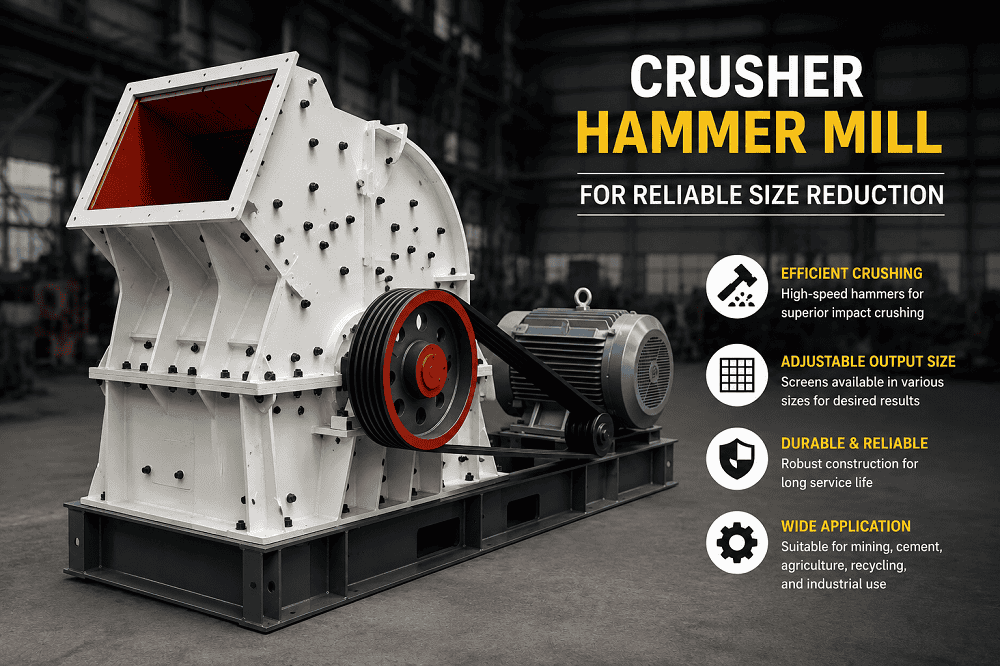
A crusher hammer mill is one of the most useful machines for this purpose. It helps break large materials into smaller particles with the help of fast-moving hammers. The machine is simple, strong, and efficient. It is used in many industries because it gives reliable size reduction.
A crusher hammer mill can process different materials. It is used for minerals, limestone, coal, gypsum, grains, biomass, clay, and many other materials. It is also useful in recycling and construction material processing. This article explains how a crusher hammer mill supports reliable size reduction and why it is a trusted choice for industrial use.
What Is a Crusher Hammer Mill?
A crusher hammer mill is a crushing machine. It uses impact force to reduce the size of materials. Inside the machine, hammers rotate at high speed. These hammers hit the material again and again. The impact breaks the material into smaller pieces.
The final size of the material depends on the machine setup. It also depends on the screen size, rotor speed, hammer design, and material type. A smaller screen opening gives finer output. A larger opening gives coarser output.
The main purpose of a crusher hammer mill is to make material easier to handle, process, store, or transport. It also helps prepare material for the next production stage.
Why Size Reduction Is Important
Size reduction improves material quality and processing speed. It helps industries get a controlled particle size. This is important for smooth production.
When material size is uniform, it is easier to mix, feed, pack, or burn. For example, in cement plants, raw materials must be crushed before grinding. In agriculture, feed materials must be reduced to a proper size. In recycling, waste materials must be broken before further processing.
Proper size reduction also reduces waste. It improves machine efficiency in the next process. It can also reduce energy use when the material is processed further.
How a Crusher Hammer Mill Works
The working process of a crusher hammer mill is simple. Material is fed into the machine through a hopper. From there, it enters the crushing chamber.
Inside the chamber, a rotor spins at high speed. Hammers are attached to this rotor. As the rotor moves, the hammers hit the material with strong force. The material breaks due to repeated impact.
The broken material moves around inside the chamber. Larger particles continue to receive hammer blows. Smaller particles pass through a screen or grate. Once the material reaches the required size, it leaves the machine through the discharge outlet.
This process continues as long as material is fed into the machine. It makes the crusher hammer mill suitable for continuous production.
Main Parts of a Crusher Hammer Mill
A crusher hammer mill has many parts. Each part supports smooth size reduction.
Feeding Hopper
The feeding hopper is where raw material enters the machine. It helps guide material into the crushing chamber. A steady feed is important for better performance.
Crushing Chamber
The crushing chamber is the main working area. This is where the material is hit and broken. The chamber is built from strong steel to handle impact and wear.
Rotor
The rotor holds the hammers and rotates at high speed. It creates the motion needed for impact crushing. A balanced rotor helps reduce vibration.
Hammers
Hammers are the main crushing tools. They strike the material and break it into smaller pieces. They are made from strong and wear-resistant material.
Screen or Grate
The screen controls the output size. Only particles smaller than the screen opening can pass through. This helps produce a more consistent final product.
Discharge Outlet
The discharge outlet allows crushed material to leave the machine. The material can then move to a conveyor, bin, or next processing unit.
Features That Support Reliable Size Reduction
A crusher hammer mill is designed to deliver steady performance. Its features help improve output quality and machine life.
Strong Hammer Design
The hammers are built to handle repeated impact. Good hammer design improves crushing efficiency. It also reduces downtime.
Controlled Output Size
The screen helps control the particle size. This makes the final material more uniform. It also helps meet production requirements.
High-Speed Crushing
Fast rotor movement creates strong impact. This helps crush material quickly. It also supports higher production capacity.
Durable Body Structure
The machine body is made to handle heavy loads. A strong structure reduces vibration and supports long service life.
Easy Maintenance
Many hammer mills are designed for easy inspection and part replacement. This helps reduce maintenance time.
Benefits of Using a Crusher Hammer Mill
A crusher hammer mill offers many benefits for industrial size reduction.
Reliable Performance
The machine gives steady crushing results when used correctly. It can run for long hours in many processing plants.
Better Material Handling
Smaller material is easier to handle. It is easier to move, store, mix, and feed into other machines.
Improved Production Flow
A proper crushing system helps avoid delays in production. It prepares material for the next stage quickly.
Flexible Use
The machine can process many types of materials. This makes it useful in different industries.
Lower Manual Work
A crusher hammer mill reduces the need for manual breaking. This saves time and labor.
Consistent Output
The use of screens helps produce material in a controlled size range. This improves product quality.
Common Materials Processed by Crusher Hammer Mill
A crusher hammer mill can be used for many materials. The exact use depends on machine design and material hardness.
It can process limestone, coal, gypsum, clay, minerals, and cement raw materials. It is also used for grains, husk, wood chips, biomass, and agricultural waste.
In recycling plants, it can help crush glass, dry waste, light scrap, and other materials. In construction, it helps reduce stones, blocks, and other raw materials.
Before selecting a machine, it is important to check the material type. Hardness, moisture, feed size, and abrasiveness all affect machine performance.
Industries That Use Crusher Hammer Mill
A crusher hammer mill is used in many industries.
Mining Industry
In mining, it helps crush minerals and ores into smaller sizes. This makes further processing easier.
Cement Industry
Cement plants use hammer mills to crush limestone, gypsum, and other raw materials. This helps prepare material for grinding.
Agriculture Industry
In agriculture, hammer mills are used to process grains, feed material, and crop waste.
Recycling Industry
Recycling plants use hammer mills to break waste materials into smaller pieces. This supports sorting and reuse.
Biomass Industry
Biomass plants use hammer mills for wood chips, husk, straw, and other organic materials.
Factors That Affect Size Reduction Quality
The performance of a crusher hammer mill depends on many factors.
Material hardness is one key factor. Hard material needs more power and stronger hammers. Moisture content also matters. Wet or sticky material can block the screen.
Feed size is also important. Very large pieces can reduce efficiency. The machine works better when feed size is suitable.
Rotor speed affects the crushing result. Higher speed can create finer output. But it can also increase wear. Hammer condition also matters. Worn hammers reduce impact strength and output quality.
Screen size is another major factor. The right screen helps achieve the desired particle size.
Maintenance Tips for Better Performance
Regular maintenance is important for reliable size reduction. It helps prevent breakdowns and keeps the machine safe.
Check the hammers often. Replace worn or damaged hammers on time. Clean the screen to avoid blockage. Inspect the rotor and bearings regularly.
Lubricate moving parts as per the machine guidelines. Tighten loose bolts and check guards. Remove dust and material buildup from the machine area.
Do not overload the machine. Feed material at a steady rate. This protects the motor and rotor. It also improves crushing quality.
Safety Tips for Crusher Hammer Mill Operation
Safety should always come first. Only trained workers should operate the machine. Protective guards should be fitted properly.
The machine should be switched off before cleaning or maintenance. Workers should not place hands or tools near moving parts. Safety gear like gloves, goggles, and masks should be used.
The work area should be clean. Loose material on the floor can cause slips. Proper safety practice helps protect workers and machines.
How to Choose the Right Crusher Hammer Mill
Choosing the right crusher hammer mill depends on your needs. First, check the material you want to process. Then check its hardness, moisture, and feed size.
Next, decide the required output size. This helps choose the correct screen. Also check the required production capacity. A small machine may not suit high-volume production.
Look for strong build quality, easy maintenance, and good spare part support. A reliable manufacturer can help you choose the right model for your application.
Conclusion
A crusher hammer mill is a reliable machine for size reduction. It uses high-speed hammers to crush materials into smaller particles. It is simple, strong, and suitable for many industries.
The machine helps improve material handling and production flow. It can process minerals, limestone, coal, grains, biomass, and many other materials. With the right screen and proper settings, it can deliver consistent output size.
To get the best results, choose the right machine for your material. Also follow proper operation and maintenance practices. A well-maintained crusher hammer mill can support smooth production, reduce downtime, and provide long-term value in material processing.