

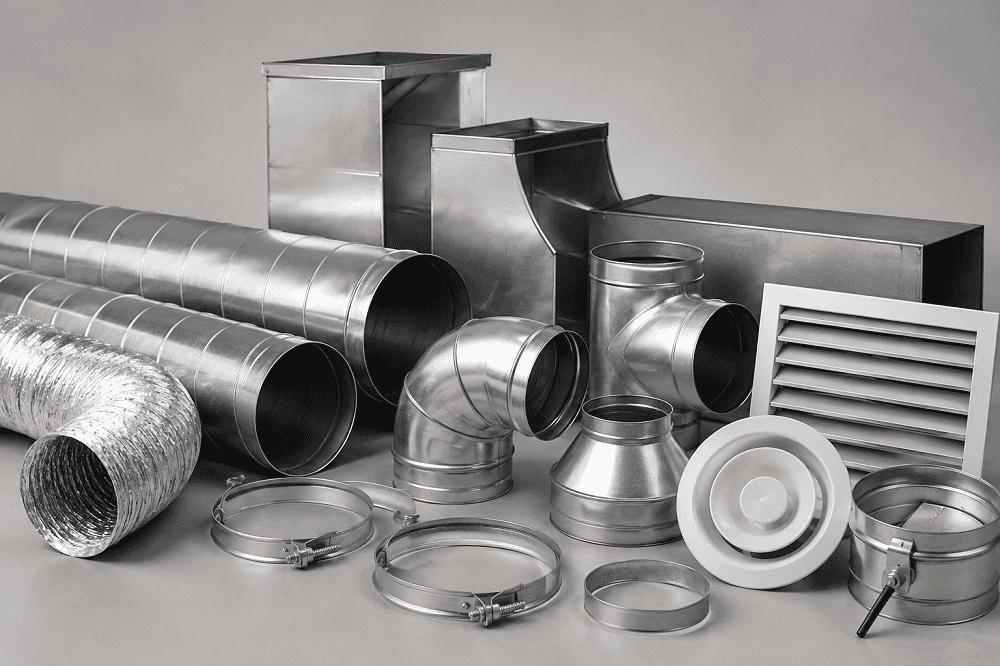
A good ventilation system depends on more than just a fan. The quality of the ductwork also plays a major role. Choosing the right ducting supplies can improve airflow, reduce energy loss, control noise, and help the system work more efficiently.
Every ventilation project is different. A small home extractor system will have different needs from a large commercial HVAC installation. The type of building, airflow level, duct size, location, and installation space all matter.
Using the wrong ducting products can create problems later. You may face poor airflow, air leaks, excess noise, or difficult maintenance. This is why selecting suitable ducting components from the start is important.
This guide explains how to choose the right ducting supplies for your ventilation project.
1. Understand Your Ventilation Requirements
Before buying any ducting supplies, you need to understand the purpose of the ventilation system.
Ask a few simple questions.
Is the system designed to remove hot air? Does it need to extract moisture? Is it moving fresh air into a room? Will it remove fumes, dust, or cooking smells?
The airflow requirement will affect the size and type of ducting you need.
For example, a bathroom extractor fan may only require a short duct run. A commercial kitchen may need a much larger ventilation system. Industrial applications can need stronger ductwork and specialist fittings.
Understanding the purpose of the system helps you avoid buying unsuitable components.
2. Choose the Correct Duct Size
Duct size is one of the most important parts of any ventilation project.
A duct that is too small can restrict airflow. This makes the fan work harder. It can also increase noise and reduce system efficiency.
A duct that is too large may take up unnecessary space. It can also increase material and installation costs.
The correct duct diameter depends on factors such as:
- Required airflow
- Fan capacity
- Length of the duct run
- Number of bends
- Type of ventilation system
- Available installation space
Common ducting systems use round or rectangular ductwork. Round ducting is widely used because it provides smooth airflow and can be easier to install.
Always match the duct size with the requirements of the fan and ventilation design.
3. Select the Right Ducting Material
Different ventilation projects need different materials.
Galvanised steel is widely used for commercial and industrial ventilation systems. It is strong, durable, and suitable for many HVAC applications.
Plastic ducting is often used for smaller domestic ventilation systems. It is lightweight and easy to install.
Aluminium flexible ducting is useful where rigid ducting is difficult to fit. It can work well in short runs or areas with limited space.
Insulated ducting may be needed when temperature control or condensation is a concern.
When choosing ducting supplies, think about the environment where the system will operate.
Consider heat, moisture, pressure, and exposure to chemicals or outdoor conditions.
4. Consider Rigid and Flexible Ducting
Rigid and flexible ducting both have advantages.
Rigid ducting is usually preferred for long duct runs. It creates a smoother airflow path and helps reduce pressure loss.
Flexible ducting is useful when the system needs to move around obstacles. It is also useful when connecting fans, grilles, or other ventilation equipment.
However, flexible ducting should not be stretched or bent too much. Sharp bends can restrict airflow.
For many projects, the best solution is a combination of rigid and flexible ducting.
Rigid ductwork can form the main ventilation route. Flexible ducting can then be used for short connections where needed.
5. Choose Suitable Duct Fittings
A ventilation system rarely consists of straight ductwork alone.
Most systems need several fittings to connect different sections.
Common ducting supplies include:
- Bends
- Elbows
- Reducers
- Connectors
- Couplers
- T-pieces
- Branches
- End caps
- Dampers
- Access doors
Each fitting has a specific purpose.
Bends change the direction of the duct. Reducers connect ducts of different sizes. T-pieces divide airflow into different sections.
Try to avoid unnecessary bends whenever possible. Too many bends can increase airflow resistance.
A simple duct layout usually provides better airflow and easier maintenance.
6. Check the Quality of Joints and Connections
Air leaks can reduce the performance of a ventilation system.
Poor connections allow air to escape before it reaches the required area. This can reduce efficiency and increase energy use.
Good quality ducting supplies should create secure connections between duct sections.
Depending on the system, you may need:
- Duct clamps
- Sealing tape
- Gaskets
- Sealant
- Flanges
- Fast clamps
Correct sealing is especially important in commercial HVAC systems.
Secure joints also reduce vibration and unwanted noise.
Before completing the installation, inspect every connection carefully.
7. Think About Airflow and Pressure Loss
Air needs to move smoothly through a ventilation system.
Every bend, fitting, reducer, and long duct run creates some resistance.
This resistance is known as pressure loss.
High pressure loss can reduce airflow. It may also force the fan to use more energy.
To improve airflow, keep duct runs as straight as possible.
Use gradual bends instead of sharp turns when possible. Avoid sudden changes in duct size.
The layout of the ductwork is just as important as the quality of the ducting supplies.
Good planning can improve system performance and reduce operating costs.
8. Consider Noise Control
Ventilation systems can create noise from moving air, fans, and vibration.
Correct ducting can help reduce this problem.
Large airflow moving through small ducting can create more noise. Poorly secured ductwork can also vibrate.
Flexible connectors may help reduce vibration between equipment and ductwork.
Acoustic ducting or silencers can be considered for systems where noise control is important.
This can be useful in offices, hotels, homes, schools, and other quiet environments.
Choosing the correct duct size also helps keep airflow noise under control.
9. Consider Insulation Requirements
Some ventilation systems need insulated ducting.
Insulation helps reduce heat transfer between the duct and surrounding area.
It can also help prevent condensation.
Condensation may form when warm air moves through ducting located in a cold area. Moisture can damage nearby materials and affect the ventilation system.
Insulated flexible ducting may be useful for certain heating, cooling, and ventilation applications.
The need for insulation depends on the location of the ductwork and the temperature of the air being moved.
10. Choose the Right Grilles and Air Terminals
Ducting delivers air to different parts of a building.
Grilles, diffusers, and air valves control how that air enters or leaves a room.
The correct air terminal can improve air distribution.
Different rooms may require different products.
For example, a ceiling diffuser can spread air across a wide area. An extract grille can help remove stale air from bathrooms, kitchens, or utility areas.
The size of the grille should match the required airflow.
It should also connect correctly with the duct system.
11. Include Access for Cleaning and Maintenance
Ventilation systems need maintenance over time.
Dust and dirt can collect inside ductwork. Fans, dampers, and other components may also need inspection.
Access doors make it easier to reach important parts of the system.
This is especially useful in larger commercial or industrial installations.
Planning maintenance access during the installation stage can save time later.
It also helps keep the ventilation system working properly.
12. Check the Installation Environment
The location of the ductwork affects which ducting supplies you should choose.
Indoor ductwork may have different requirements from outdoor ducting.
Outdoor systems need materials that can handle weather exposure.
Kitchen ventilation systems may need products that can deal with heat and grease.
Industrial systems may need stronger materials for demanding conditions.
Always consider the working environment before choosing components.
This helps improve safety, durability, and system life.
13. Avoid Choosing Ducting Supplies Based Only on Price
Price is important, but it should not be the only factor.
Low-quality ducting products may save money at the start. However, poor fittings or weak materials can create problems later.
Air leaks, corrosion, damaged components, and poor airflow can increase maintenance costs.
It is often better to choose reliable ducting supplies that match the requirements of the project.
Good quality products can help improve system performance and reduce future repair work.
14. Plan the Complete System Before Ordering
Planning can prevent mistakes and unnecessary costs.
Before ordering your ducting supplies, create a clear layout of the ventilation system.
Calculate how much ducting you need.
Count the required bends, connectors, reducers, clamps, grilles, and other fittings.
Also check all duct sizes.
A complete product list reduces the chance of missing important components during installation.
It can also help prevent delays on site.
Common Mistakes to Avoid When Buying Ducting Supplies
Some common mistakes can affect the performance of a ventilation system.
These include choosing the wrong duct size, using too many sharp bends, selecting unsuitable materials, and failing to seal connections properly.
Other mistakes include using long sections of flexible ducting where rigid ducting would be more suitable.
Poor planning can also result in unnecessary fittings or difficult installation routes.
Checking the system design before ordering can help avoid many of these issues.
Why Quality Ducting Supplies Matter
The quality of the ductwork affects the complete ventilation system.
Good ducting supplies help maintain steady airflow. They also reduce air leakage and pressure loss.
Correctly selected components can make installation easier and improve long-term reliability.
A well-designed system can also use energy more efficiently.
This can be especially important in commercial buildings where ventilation systems may operate for many hours each day.
Conclusion
Choosing the right ducting supplies is an important part of any ventilation project. Start by understanding the airflow requirements and system purpose.
Select the correct duct size, material, fittings, connectors, and air terminals. Keep the duct layout simple wherever possible. Make sure joints are properly sealed and allow access for future maintenance.
You should also consider noise, insulation, pressure loss, and the environment where the ductwork will be installed.
Careful planning can improve airflow and reduce installation problems. It can also help your ventilation system work efficiently for many years.
For domestic, commercial, and industrial ventilation projects, choosing reliable ducting supplies from a specialist supplier such as Ducting Direct can make it easier to find the right components for a complete ductwork installation.