

Have you ever wondered why some wheelchair users seem more comfortable than others? Could the secret lie in something as simple as their backrest? And what if a small adjustment could dramatically improve your daily comfort, posture, and overall quality of life?
If you’re a wheelchair user or caring for someone who relies on one, you’ve probably noticed that not all backrests are created equal. The backrest is one of the most critical components of any wheelchair, yet it’s often overlooked. It’s the foundation of your seated posture, affecting everything from how you breathe to how long you can sit comfortably without pain or fatigue.
In this article, we’ll explore the world of adjustable wheelchair backrests and uncover why they’re becoming increasingly popular among wheelchair users across Australia. You’ll learn what makes them different from fixed options, discover the key benefits they offer, and find out whether one might be right for you. We’ll also cover practical tips for choosing the right backrest, how to adjust it properly, and even touch on NDIS funding options. Whether you’re an active user, managing a progressive condition, or simply looking for more comfort, there’s something here for you.
What Is An Adjustable Wheelchair Backrest?
An adjustable wheelchair backrest is exactly what it sounds like—a backrest that can be modified to suit your specific needs. Unlike standard fixed backrests that come in one position and shape, adjustable versions let you fine-tune various elements for a personalised fit.
How Do Adjustable Backrests Differ From Fixed Wheelchair Backrests?
Fixed wheelchair backrests offer a one-size-fits-all approach. They’re set at a standard angle and height, with limited options for customisation. While they work well for some users, they can leave others struggling with discomfort, poor posture, or inadequate support.
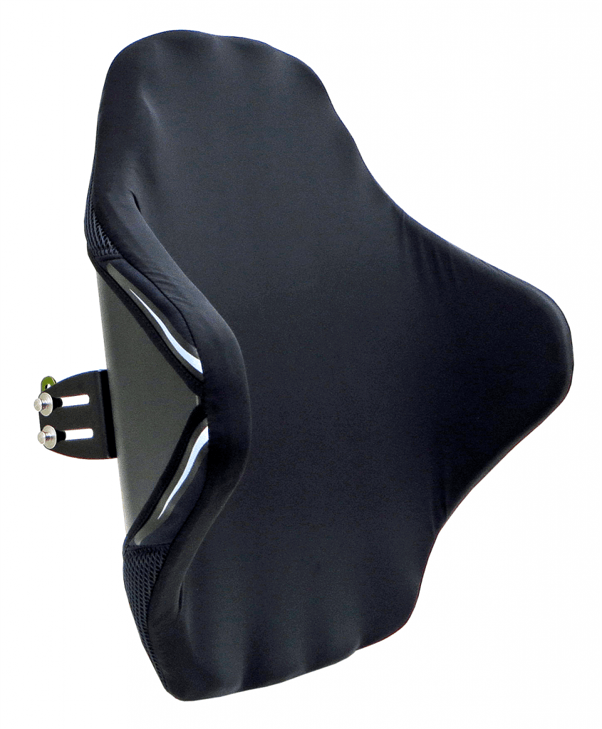
Adjustable backrests, on the other hand, give you control. You can typically modify the angle, height, depth, and sometimes even the contour of the backrest. This means you can adapt your wheelchair to your body, rather than forcing your body to adapt to your wheelchair. The difference might seem subtle, but for someone spending hours in a chair each day, it’s genuinely life-changing.
Types Of Adjustable Wheelchair Backrests Available
There’s a solid range of adjustable backrests on the market today. Tension-adjustable backrests use straps that can be tightened or loosened to create different levels of support. Rigid adjustable backrests offer more structured support and typically feature adjustable hardware for angle and height modifications. Some premium options even include adjustable lumbar support, lateral supports, or modular components that can be swapped out as your needs change.
Key Benefits Of Adjustable Wheelchair Backrests
Now let’s get stuck into the real advantages of choosing an adjustable backrest. These benefits can make a genuine difference to your everyday life.
Enhanced Postural Support And Spinal Alignment
Proper spinal alignment is crucial for wheelchair users. When your spine isn’t properly supported, you’re at risk of developing secondary complications like scoliosis, kyphosis, or chronic muscle strain. An adjustable backrest allows you to position the support exactly where your body needs it.
You can adjust the angle to match your natural spinal curve and modify the lumbar support to prevent slouching. This targeted support helps maintain neutral spine positioning throughout the day. Plus, as your posture changes over time—whether due to fatigue, weight changes, or medical factors—you can readjust accordingly.
Improved Comfort For Extended Sitting
Let’s be honest: sitting for hours on end isn’t easy on anyone’s body. For wheelchair users who spend significant portions of their day seated, comfort isn’t a luxury—it’s essential. An adjustable backrest lets you find your personal sweet spot.
You can experiment with different angles to relieve pressure points, adjust the tension to match your preferences, and make small tweaks throughout the day as needed. Many users find that having control over their seating position reduces fatigue and helps them stay comfortable longer.
Greater Independence And Mobility
Here’s something that might surprise you: your backrest affects your mobility. When your back is properly supported at the right angle, you can push your wheels more efficiently. You have better reach, improved balance, and more energy because you’re not constantly fighting poor posture.
Some adjustable backrests are designed specifically for active users, offering a lower profile that doesn’t restrict shoulder movement. This means you can transfer more easily, reach further, and move more freely throughout your day.
Reduced Risk Of Pressure Injuries And Pain
Pressure injuries are a serious concern for wheelchair users. They develop when sustained pressure restricts blood flow to certain areas, and they can be incredibly painful and slow to heal. By allowing you to redistribute pressure and change positions slightly, an adjustable backrest can help prevent these injuries from developing.
What’s more, proper back support reduces the strain on muscles and joints that often leads to chronic pain. Many users report significant reductions in back, neck, and shoulder pain after switching to an adjustable option.
Customisation For Changing Needs
Your body isn’t static, and neither are your support needs. Weight fluctuations, medical changes, fatigue levels, and even different activities can all affect what kind of support works best for you. An adjustable backrest grows and changes with you, which means you won’t need a completely new setup every time your needs shift.
Who Can Benefit From An Adjustable Wheelchair Backrest?
While adjustable backrests can benefit nearly any wheelchair user, certain groups find them particularly valuable.
Users With Progressive Conditions
If you’re living with a progressive condition like multiple sclerosis, muscular dystrophy, or motor neurone disease, your support needs will likely change over time. An adjustable backrest can be modified as your condition progresses, providing appropriate support at each stage without requiring constant equipment replacement.
Active Wheelchair Users
Athletes, workers, and anyone leading an active lifestyle in their wheelchair needs equipment that supports movement rather than restricting it. Adjustable backrests designed for active users offer the flexibility to switch between different settings for different activities—more upright for sports, slightly reclined for relaxation.
Elderly Users Requiring Additional Support
Older Australians often experience changes in posture, strength, and flexibility. An adjustable backrest allows carers and therapists to fine-tune support as these changes occur, helping maintain comfort and dignity while reducing the risk of complications.
How Do I Know If I Need An Adjustable Backrest?
There are several signs that suggest an adjustable backrest might benefit you. If you experience discomfort after sitting for extended periods, notice your posture deteriorating throughout the day, or find yourself frequently shifting to find a comfortable position, an adjustable backrest could help.
Similarly, if you’ve developed pressure sores on your back, experience chronic pain, or feel that your current backrest doesn’t support you adequately, it’s worth exploring adjustable options. A consultation with an occupational therapist or seating specialist can help determine whether an upgrade would improve your situation.
What Should I Look For When Choosing An Adjustable Wheelchair Backrest?
Adjustability Features To Consider
Think about which adjustments matter most to you. Angle adjustment is common and beneficial for most users. Height adjustment ensures the backrest properly supports your entire back. Tension adjustment offers personalised firmness levels. Some backrests also feature adjustable lateral supports for users who need additional side-to-side stability.
Materials And Durability
Look for breathable materials that won’t trap heat and moisture. Foam density matters for comfort and longevity. Check reviews for durability information—you want something that’ll hold up to daily use without sagging or losing its supportive properties.
Compatibility With Your Wheelchair
Not every backrest fits every wheelchair. Before purchasing, confirm that your chosen backrest is compatible with your wheelchair’s make, model, and width. Many suppliers offer compatibility guides or consultations to help you make the right choice.
Can An Adjustable Backrest Help With Back Pain?
Absolutely. Many wheelchair users experience back pain related to poor support or incorrect positioning. An adjustable backrest addresses these issues by allowing you to position support exactly where you need it. Proper lumbar support, correct angle positioning, and appropriate tension can all contribute to pain reduction.
How Do You Adjust A Wheelchair Backrest Properly?
Start by ensuring the backrest height allows your shoulders to move freely while supporting your trunk. Adjust the angle so your spine maintains its natural curve—neither too reclined nor too upright. If your backrest has tension straps, adjust them to provide firm but comfortable support. Fine-tune lumbar support to fill the natural curve of your lower back. Remember, small adjustments can make significant differences, so take your time finding what works.
Are Adjustable Wheelchair Backrests Covered By The NDIS?
Good news for Australian users: adjustable wheelchair backrests may be funded through the NDIS as assistive technology. Coverage depends on your individual plan and whether the equipment is deemed reasonable and necessary for your disability-related needs. Working with your NDIS planner and a qualified occupational therapist can help determine your eligibility and navigate the funding process.
Common Mistakes To Avoid When Selecting A Backrest
Don’t rush the decision. Take time to trial different options where possible. Avoid choosing based on price alone—the cheapest option isn’t always the best value. Make sure to involve healthcare professionals in your decision, as they can identify needs you might not recognise yourself. Finally, don’t forget about compatibility; a brilliant backrest is useless if it doesn’t fit your wheelchair.
Conclusion: Investing In Your Comfort And Wellbeing
Choosing the right wheelchair backrest isn’t just about comfort—it’s about your health, independence, and quality of life. An adjustable backrest offers the flexibility to create a truly personalised seating solution that supports your unique body and lifestyle.
Throughout this article, we’ve explored how adjustable wheelchair backrests improve posture, reduce pain, prevent pressure injuries, and adapt to changing needs. Whether you’re an active user pushing boundaries, managing a progressive condition, or simply seeking better daily comfort, there’s an adjustable option that can make your life easier.\
Investing in a quality adjustable wheelchair backrest is investing in yourself. Take the time to explore your options, consult with professionals, and find the solution that fits you best. Your back will thank you for it, and so will the rest of your body. If you’re ready to make a change, reach out to a seating specialist or occupational therapist who can guide you through the process. You deserve to sit comfortably every single day.