

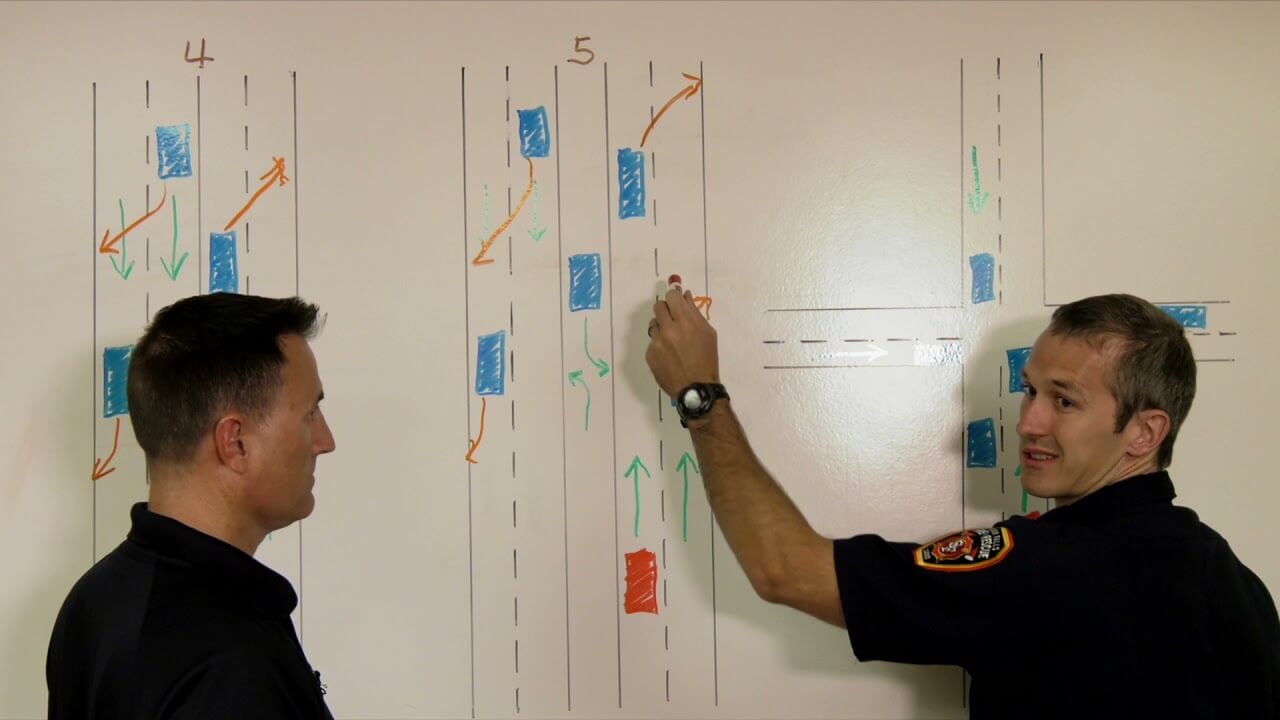
Ever wondered what it takes to become a traffic controller in Australia? Perhaps you’ve spotted those hi-vis legends directing vehicles around roadworks and thought, “I could do that.” But where do you actually begin? What qualifications do you need, and how long does the whole process take?
Traffic control is one of those careers that often flies under the radar, yet it offers genuine job security, decent pay, and flexible working hours. Whether you’re looking for a career change, seeking entry-level work in construction, or simply want a role that keeps you active outdoors, traffic control training could be your ticket to a rewarding new path.
In this guide, we’ll walk you through everything you need to know about starting your traffic control course journey. From understanding what the role involves to breaking down costs, entry requirements, and earning potential—you’ll have a clear roadmap by the end. Let’s get stuck into it.
What Is Traffic Control Training?
Understanding the Role of a Traffic Controller
A traffic controller is responsible for managing vehicle and pedestrian movement around worksites, road construction zones, and special events. It’s not just standing around with a stop sign—far from it. You’re essentially the person keeping everyone safe, from construction workers to motorists and pedestrians.
The role demands sharp attention, quick decision-making, and excellent communication skills. You’ll work closely with site supervisors and other team members to implement traffic management plans. It’s hands-on work that requires you to stay alert throughout your shift.
Why Are Traffic Controllers in High Demand Across Australia?
Australia’s infrastructure boom shows no signs of slowing down. Major road projects, building developments, and utility works are happening constantly across every state. This means there’s a steady demand for qualified traffic controllers.
Plus, many industries beyond construction need traffic management—think festivals, sporting events, and emergency situations. This variety keeps the work interesting and opens multiple employment avenues.
Do You Need a Licence to Be a Traffic Controller?
State-by-State Requirements in Australia
Yes, you absolutely need proper certification to work as a traffic controller in Australia. However, the specific requirements vary depending on which state or territory you’re in. Each jurisdiction has its own licensing body and regulations.
For example, in New South Wales, you’ll need a Traffic Control ticket issued by SafeWork NSW. Queensland requires a Traffic Controller licence through QBCC. Victoria, South Australia, and Western Australia have their own systems too. Always check your local requirements before enrolling in training.
The White Card: Your Essential First Step
Before you can even think about traffic control certification, you’ll need a White Card. This is your general construction induction card, and it’s mandatory for anyone working on construction sites across Australia.
The White Card covers basic workplace health and safety principles. It’s a separate course from your traffic control training, but many providers offer them as a package deal. Getting this sorted first streamlines your pathway into the industry.
How Long Does It Take to Get Traffic Control Certified?
Course Duration and Structure
Here’s some good news—traffic control training is relatively quick. Most courses run for just one to two days, depending on the provider and your state’s requirements.
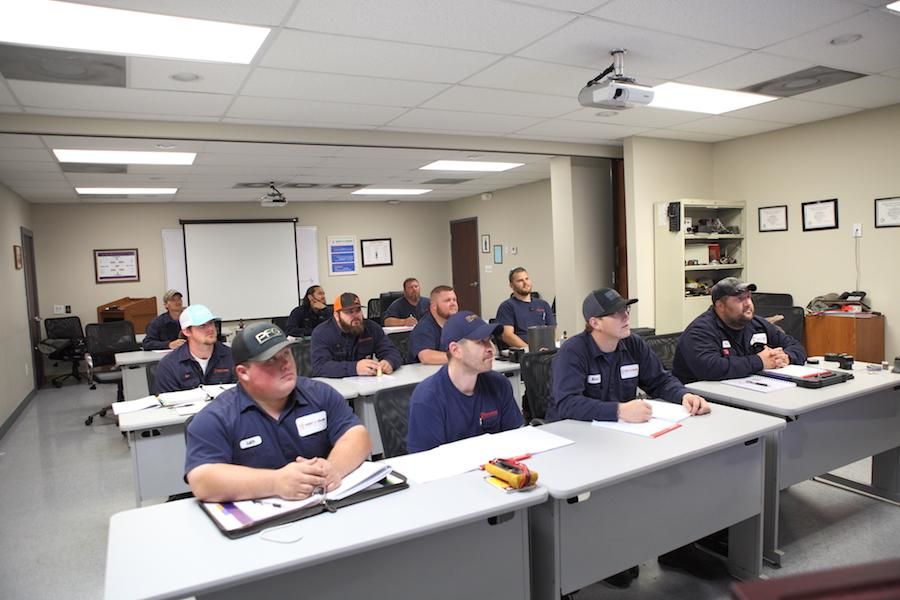
The training typically combines theory and practical components. You’ll learn in a classroom setting before heading outdoors to practise real-world scenarios. It’s intensive but manageable, even if you’re not a natural studier.
What to Expect During Your Training
During your course, expect a mix of presentations, group discussions, and hands-on activities. Trainers often use real signage and equipment so you can get comfortable with the tools of the trade.
You’ll cover topics like reading traffic management plans, using two-way radios, and understanding road rules relevant to worksites. The practical assessment usually involves demonstrating your ability to control traffic in a simulated environment.
How Much Does Traffic Control Training Cost?
Breaking Down the Fees
Course fees generally range from $250 to $450, depending on your location and chosen provider. Some courses include the White Card, while others charge separately for it.
When comparing prices, make sure you’re getting like-for-like quotes. Check whether materials, assessments, and licence application assistance are included. The cheapest option isn’t always the best value.
Are There Funding Options or Subsidies Available?
In some cases, yes. Government subsidies may be available for eligible job seekers, apprentices, or those receiving certain Centrelink payments. It’s worth checking with your local training provider or employment services agency.
Some employers also cover training costs for new hires, particularly labour hire companies and construction firms eager to build their workforce.
Step-by-Step: How to Start Your Traffic Control Training
Step 1: Check the Entry Requirements
Most courses require you to be at least 18 years old with a valid Unique Student Identifier (USI). You’ll also need adequate English literacy and numeracy skills. Some states require a current driver’s licence.
Step 2: Choose an Accredited Training Provider
Only enrol with a Registered Training Organisation (RTO) that’s approved by your state’s licensing authority. Check reviews, ask about their pass rates, and confirm they offer post-course support.
Step 3: Complete Your White Card (If Required)
If you haven’t got your White Card yet, sort this out first. Many providers offer it as a same-day add-on to your traffic control course, which saves time.
Step 4: Enrol and Attend Your Traffic Control Course
Book your course date, pay your fees, and turn up prepared. Wear closed-toe shoes and bring photo ID. Be ready to participate actively in both theory and practical sessions.
Step 5: Pass the Assessment and Receive Certification
You’ll need to demonstrate competency through written questions and practical assessments. Once you pass, you’ll receive a Statement of Attainment confirming your qualification.
Step 6: Apply for Your State Licence or Ticket
Your final step is applying for your official traffic controller licence through your state’s regulatory body. This usually involves submitting your Statement of Attainment, identification documents, and paying an application fee.
What Will You Learn in a Traffic Control Course?
Traffic Management Plans and Signage
You’ll learn how to read and interpret traffic management plans, which are the blueprints for controlling traffic around worksites. Understanding signage placement and meaning is essential.
Safety Procedures and Risk Assessment
Safety is paramount in this role. You’ll cover hazard identification, risk assessment techniques, and emergency procedures. This knowledge keeps you and everyone around you protected.
Communication and Teamwork on Site
Effective communication using two-way radios and hand signals is crucial. You’ll practise coordinating with colleagues and responding to changing conditions on site.
How Much Do Traffic Controllers Earn in Australia?
Average Salary and Hourly Rates
Traffic controllers typically earn between $28 and $45 per hour, depending on experience, location, and the type of work. Annual salaries for full-time positions often range from $60,000 to $90,000.
Factors That Influence Your Earning Potential
Weekend and night shifts usually attract penalty rates. Remote or regional projects often pay more too. Building experience and taking on supervisory roles can significantly boost your income.
Is Traffic Control a Good Career Choice?
Job Stability and Growth Opportunities
With Australia’s ongoing infrastructure investment, job stability looks promising. There’s also room to progress into traffic management supervision or broader construction roles.
Who Is Best Suited to This Role?
This career suits people who enjoy outdoor work, can stay focused for extended periods, and communicate well under pressure. If you’re looking for something active rather than desk-bound, it’s worth serious consideration.
Your Roadmap to Becoming a Certified Traffic Controller
Starting a career in traffic control is more accessible than many people realise. With training courses lasting just a day or two and costs remaining relatively affordable, the barriers to entry are genuinely low. The combination of strong job demand, competitive wages, and flexible working arrangements makes this an attractive option for many Australians.
Throughout this guide, we’ve covered everything from understanding the role to breaking down costs and walking through the certification process step by step. The key is choosing an accredited provider, completing your White Card, and following through with your state licence application.
If you’re ready for hands-on work that makes a real difference to public safety, traffic control could be your perfect fit. Take that first step, book your training, and you could be out on site earning good money sooner than you think. Best of luck on your new career journey!