

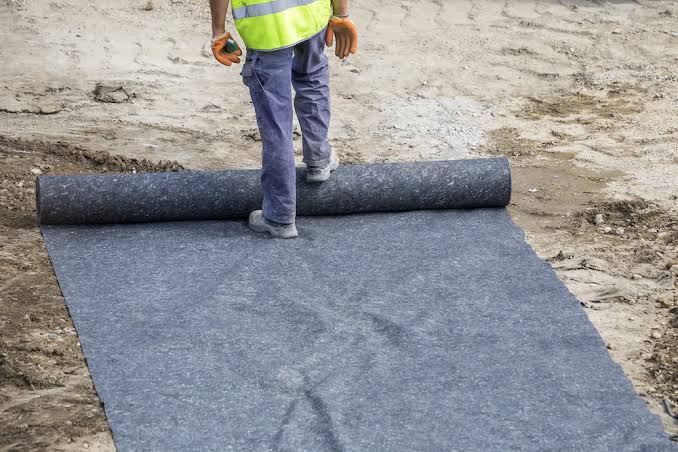
Construction and landscaping projects require more than quality materials and skilled labour. Choosing the right products for ground preparation, drainage and soil stabilisation can make a significant difference to the long-term performance of a site. Geotextiles are widely used in civil construction, roadworks, landscaping and drainage applications because they help manage soil movement, improve separation between materials and support effective water flow.
For contractors, builders and landscape professionals, finding reliable geotextiles suppliers Melbourne businesses can provide is an important step towards achieving consistent project results. Understanding the available materials, their applications and the factors to consider when purchasing them can help make the selection process easier.
What Are Geotextiles and Why Are They Important?
Geotextiles are permeable textile materials commonly manufactured from synthetic fibres such as polypropylene or polyester. They are designed to interact with soil, aggregate and other construction materials while allowing water to pass through where required.
These products are available in different forms, with woven and non-woven geotextiles being among the most common options. Each type offers different characteristics suited to particular site conditions and engineering requirements.
Woven geotextiles are often selected for applications where tensile strength and soil separation are important. Non-woven varieties are frequently used in drainage, filtration and erosion-control projects because of their structure and water permeability.
Selecting the right material helps support the intended function of the installation and can reduce the risk of problems caused by unsuitable ground conditions.
Common Applications Across Melbourne
Melbourne’s construction industry covers a wide range of environments, from residential developments and commercial properties to major infrastructure projects. Geotextile products can serve several purposes across these different settings.
Road construction and pavement preparation
Geotextiles are used beneath road pavements to separate natural soil from aggregate layers. This separation can help prevent the mixing of materials, maintain the integrity of the base and support pavement performance when the product is correctly specified.
Drainage systems
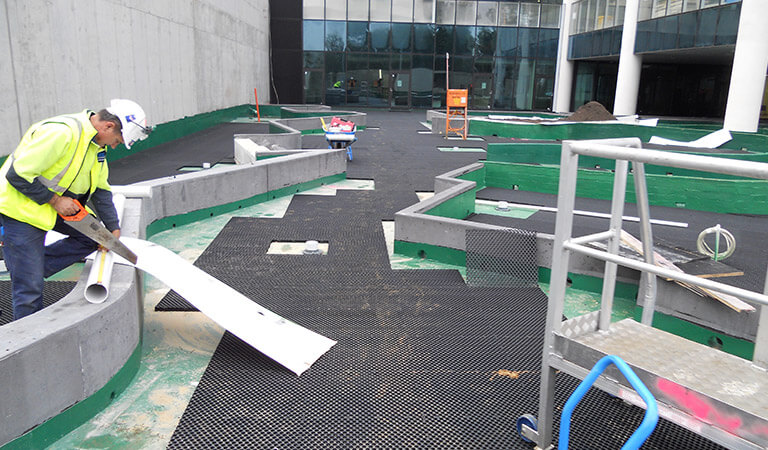
Effective drainage is essential for managing excess water around buildings, retaining structures and landscaped areas. Suitable geotextile filter fabrics can help prevent fine soil particles from entering drainage aggregate or pipes while allowing water to move through the system.
Landscaping and garden projects
Landscapers may use geotextiles when constructing garden beds, pathways, outdoor living areas and other features that require ground preparation. The appropriate fabric can assist with material separation and drainage, depending on the design and site requirements.
Erosion control and civil works
On sites exposed to surface water movement, selected geotextile products can form part of an erosion-control strategy. Their effectiveness depends on the installation method, soil characteristics, water flow and the wider engineering design.
What to Consider When Choosing a Supplier
Not every geotextile product is suitable for every project. Before placing an order, it is worth assessing several factors to ensure the selected material meets the practical demands of the site.
- Product Range and Technical Specifications
Look for a supplier offering products suited to your intended application. Important specifications may include tensile strength, permeability, puncture resistance, opening size and durability.
Rather than choosing a fabric based on appearance or price alone, compare its technical data with the project requirements. For engineered applications, seek guidance from the project engineer or relevant technical professional.
- Quality and Product Consistency
Consistent product quality matters when materials are being installed across large areas. Differences in fabric performance can affect installation efficiency and the final result.
Ask about product specifications, available technical documentation and relevant testing information. Where a project requires compliance with particular standards, confirm that the proposed material meets those requirements before purchasing.
- Availability and Delivery
Construction schedules often depend on materials arriving at the right time. Delays can affect labour allocation, equipment bookings and project milestones.
When comparing suppliers, consider stock availability, delivery arrangements and the ability to supply the required quantities. Melbourne-based supply options may be convenient for projects across metropolitan Melbourne and surrounding areas, although delivery coverage should always be confirmed.
- Technical Support
A dependable supplier should be able to provide clear information about the products it offers. This may include guidance on fabric types, dimensions, packaging and appropriate applications.
For complex drainage, road construction or retaining-wall projects, supplier information should complement—not replace—professional engineering advice. This distinction helps ensure that material selection is based on the actual demands of the installation.
Why Correct Installation Matters
Even a suitable geotextile can underperform if it is installed incorrectly. The ground should be prepared according to the project specifications, with unsuitable debris and sharp protrusions addressed where necessary.
Fabric overlaps, anchoring methods and placement should follow the manufacturer’s recommendations and the relevant design documents. Avoid unnecessary damage during handling and installation, particularly when machinery or heavy aggregate is involved.
It is also important to select the right fabric for the intended function. A product designed primarily for separation may not provide the filtration characteristics required for a drainage system. Checking specifications before installation can help prevent costly corrections later.
Balancing Cost and Long-Term Performance
Price is an important consideration for builders and contractors managing project budgets. However, choosing the cheapest available fabric without checking its suitability may lead to additional labour, material replacement or maintenance expenses.
A better approach is to compare products based on their technical performance, expected service conditions, supply reliability and total installation cost. Purchasing the correct quantity also helps minimise waste and unnecessary handling.
For larger projects, requesting quotations from several suppliers can make it easier to evaluate product options and delivery arrangements. Make sure each quotation covers comparable specifications so that the decision reflects genuine value rather than price alone.
Finding Geotextile Products for Your Next Project
Whether you are preparing a driveway, installing a drainage system or undertaking civil construction, choosing appropriate ground-engineering materials is an important part of project planning. Understanding the differences between woven and non-woven fabrics, reviewing technical specifications and confirming supply arrangements can help you make an informed decision.
When researching geotextiles suppliers in Melbourne, focus on product suitability, consistent quality, reliable availability and access to useful technical information. By combining careful material selection with correct installation, builders, landscapers and civil contractors can improve the likelihood of achieving durable, fit-for-purpose results.
Taking time to evaluate these factors before purchasing can help your next project progress more efficiently while supporting the performance and longevity of the finished work.