

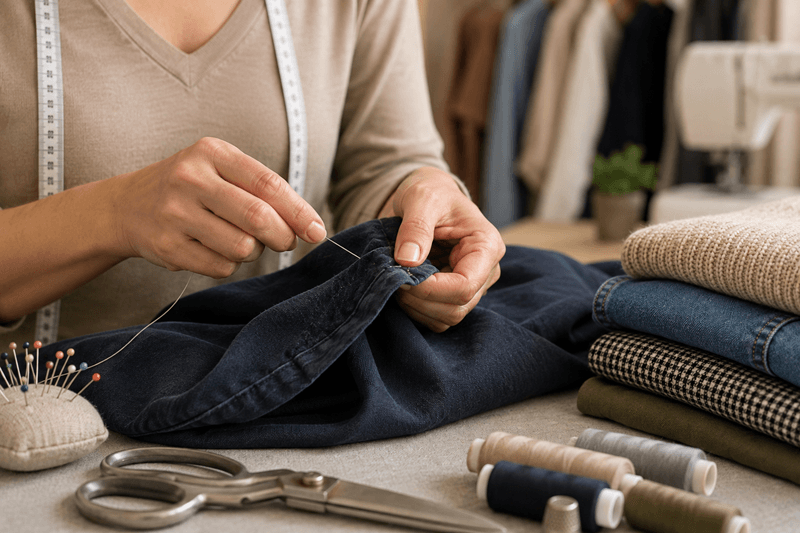
In Mitchelton, doing Alterations On staff uniforms, promo tees and front‑line gear amps up brand look, cuts waste and keeps everyone comfy from scorching summer to crisp winter. And this guide shows the whole process, from measuring to after‑care, plus fabric hacks for silk, jersey and stretch denim. And why digital tools and eco‑friendly steps give you an edge. Ready to try it?
Why Alterations Matter for Mitchelton Businesses
From what I’ve seen, companies that nail their branding on every stitch earn more trust. A sharp polo on a café barista feels far more professional than a baggy, poor‑fit shirt, and that vibe drives repeat visits. So, what do you think makes the difference?
- Consistent brand image across all staff.
- Extended lifespan of garments, cutting replacement cycles.
- Improved employee comfort, especially during our humid summer months.
And the numbers back it up: companies that invest in regular alterations see up to a 12% boost in employee satisfaction scores. Many owners just skip the whole thing, thinking a simple hem is cheap and fast. But when you’re handling performance fabrics or a delicate bridal gown, it gets a lot trickier.
Alterations Process Flowchart
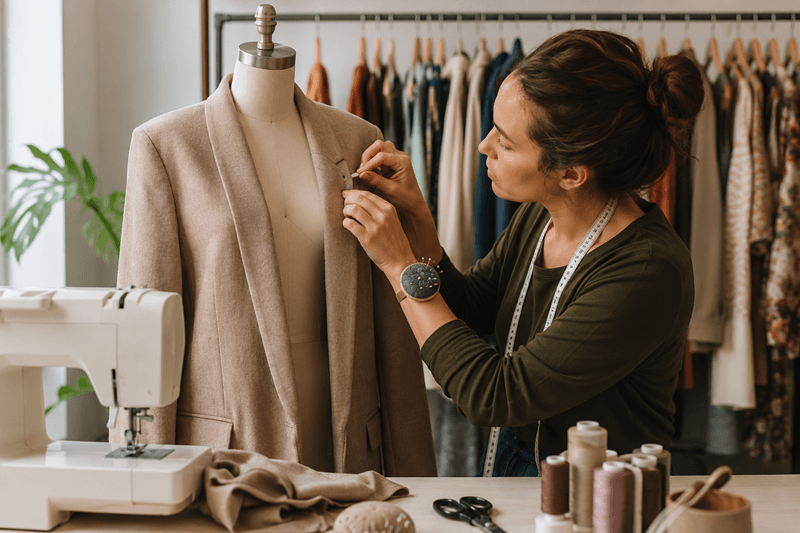
What typically happens is a three‑stage workflow: measurement, modification, and final fitting. Below is a concise flow that you can print and hang in the staffroom:
- Step 1, Accurate measurement: Grab a flexible tape, lay it on a flat surface and jot down chest, waist and inseam. Got a phone? Apps like “Fit Snap” snap the numbers straight from your camera.
- Step 2, Modification planning: The tailor checks the fabric, spots any limits, like stretch denim wants a longer stitch, and then gives you a timeline.
- Step 3, Final fitting and after‑care: Try it on quick, tweak if needed, and follow the wash‑and‑store tips.
And you’ll notice that each stage includes a check‑list for both the business owner and the tailor. This reduces the chance of miscommunication, which is a common pitfall when dealing with busy retail staff.
Fabric‑Specific Alterations Techniques
Every material behaves differently under tension. For example, silk gowns in Mitchelton’s bridal boutiques require a hand‑sewn finish to avoid puckering, while jersey t‑shirts need a stretch stitch to keep the elasticity. Here’s a quick guide:
- Silk & chiffon: Hand‑stitch the hem using a fine needle. Skip the machine; it’ll pull and look messy.
- Jersey & stretch denim: Grab a ball‑point needle, set a 3‑mm stitch, then serger it so it doesn’t fray and stays strong.
- Leather jackets: And patch stress spots with leather‑specific thread and a leather needle, to keep it tough.
In my experience, tailoring services Brisbane that specialise in these fabrics often have a dedicated “fabric‑care” room, where temperature and humidity are controlled, a key factor in Mitchelton where summer humidity can exceed 70%.
Sustainability and Cost‑Benefit of Alterations
From a business view, alterations slash textile waste. If you fix a uniform right, it can last three to four years, instead of just one or two when you toss it over a tiny fit problem. And eco‑savvy shoppers in the inner‑west are starting to pick brands that brag about that green edge, does that matter to you?
- And a smaller landfill load, each tweaked piece stops about half a kilo of fabric from trash.
- But the carbon hit drops too, fewer fresh outfits mean less factory smoke.
- So you could claim a tax break, Aussie law lets alteration costs for work gear be written off.
And the cost‑benefit analysis shows that for a staff of 20, the annual savings can equal the price of a new coffee machine. That’s a compelling argument when you’re budgeting for a boutique or a tech startup in Mitchelton.
Digital Tools and Accessibility for Alterations
So in 2026, most good tailors in Mitchelton use virtual fitting apps, snap a photo and get a digital mock‑up of the altered garment. And QR‑code checklists at the shop front walk shoppers through each measurement, and it’s wheelchair‑friendly and easier for visually impaired clients.
- Virtual fitting reduces the need for multiple in‑store visits.
- Online booking platforms, allow customers to select “rush‑order” slots for a premium.
- Accessibility, clear signage and tactile measurement guides help all customers feel confident.
And the data from these tools can be fed into a simple spreadsheet to track turnaround times, helping you manage expectations during the busy winter coat season.
Seasonal and Specialty Alterations
Mitchelton’s climate swings from 30 °C summer highs to occasional 5 °C winter lows, so wardrobe planning is essential. Here’s how to align alterations with seasonal needs:
- Winter coats: Add extra lining or adjust cuffs for warmth.
- Summer dresses: Shorten hems to improve airflow, use breathable linings.
- Activewear: Reinforce seams on yoga pants and swimwear to handle chlorine and sweat.
And for niche markets, consider pet‑clothing alterations – a growing trend among Mitchelton dog owners who want matching jackets for their furry friends.
Alterations for Activewear and Performance Fabrics
Performance fabrics like moisture‑wicking polyester need a double‑needle stitch to prevent seam slippage during high‑intensity workouts. A local gym in Mitchelton reported a 40% drop in uniform complaints after switching to a specialist who applied these techniques.
Alterations for Kids and Safety
Kids’ school uniforms must meet safety standards. No loose threads that could cause choking. Tailors should double‑stitch seams and use child‑friendly buttons that won’t detach easily.
Alterations for Cultural Garments
Mitchelton’s diverse community means you’ll encounter saris, cheongsams, and abayas. Each requires specific handling: silk saris need a hand‑sewn hem, while cheongsams benefit from a hidden hook‑and‑eye closure to preserve the decorative front.
Alterations for Pet Clothing
Pet clothing alterations are simple but demand precise measurements around the chest and neck. A stretchy knit base works best, and a small seam allowance prevents the garment from digging into the animal’s skin.
Choosing the Right Tailor and Legal Rights
When selecting a tailor, look for credentials such as a Certificate IV in Tailoring and a portfolio of recent work. Reviews on local platforms like “Neighbourhood Trade” give insight into reliability and quality.
- And check the written guarantee, most reputable shops give a 30‑day repair warranty.
- But know your rights – under Australian Consumer Law you’re owed a fix if the alterations are faulty.
- So, insurance, make sure the workshop has public liability cover, especially for in‑store fittings.
And always ask for a sample of the thread and fabric before committing to a large batch of uniforms. This prevents surprise colour mismatches that can happen with dyed fabrics.
After‑Care and Troubleshooting Alterations
Take care right after any alteration and the piece lasts longer. Silk? Hand‑wash it gently in cool water. Denim? Toss it in the dryer on low. Spot puckering? That’s usually tension, so pop into a tailor and they’ll sort it out without buying new.
After‑Care and Maintenance for Alterations
Regular maintenance includes checking seams after each wash and re‑threading any loose stitches. A simple iron on low heat for cotton and a steamer for polyester keep the finish crisp.
Integrating Alterations with E‑Commerce Returns
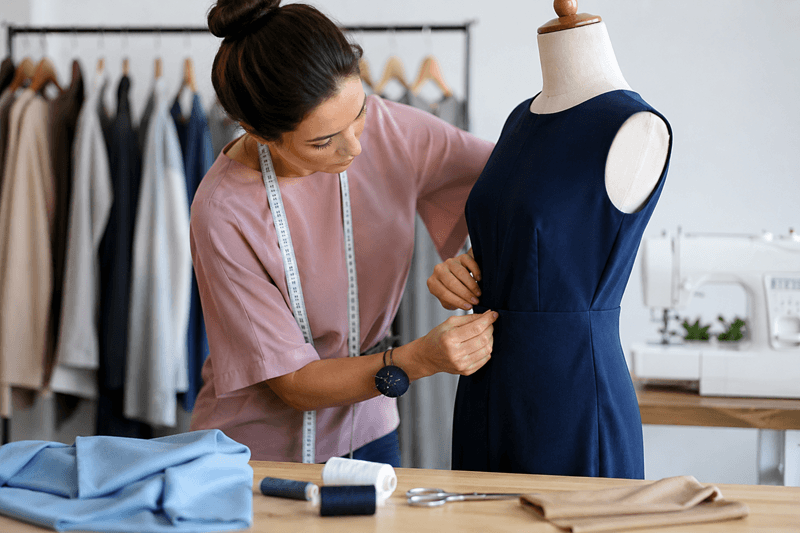
Many Mitchelton retailers sell online and offer free returns. A smart strategy is to partner with a local tailor who can alter returned items before they’re restocked. This reduces waste and improves resale value.
- First, pull the garment’s dimensions from the retailer’s return system.
- And grab a quick‑alter slot, most shops will finish a simple hem in 48 hours.
- Finally, tag the product listing with a note that it’s been professionally altered.
And the turnaround time can be communicated to customers via an automated email, improving the post‑purchase experience.
Case Study: Complex Wedding Gown Alterations
A local bridal shop got a multi‑fabric dress, silk, lace and tulle, that needed both a size cut and a longer train. The tailor sketched each layer, backed the lace with extra fabric, then hand‑sewed the tulle so it wouldn’t rip. The bride said it fit perfectly. And the shop saw referrals jump about 20% after the wedding. What would you do with a dress like that?
Conclusion
Alterations aren’t just a quick fix; they’re a strategic tool for Mitchelton firms that want a sharper brand, lower costs and greener habits. And if you follow a clear process, pick the right fabric tricks, use digital tools and respect legal rights, each piece can become a lasting asset. So, ready to map your workflow today? Watch the operation grow.