

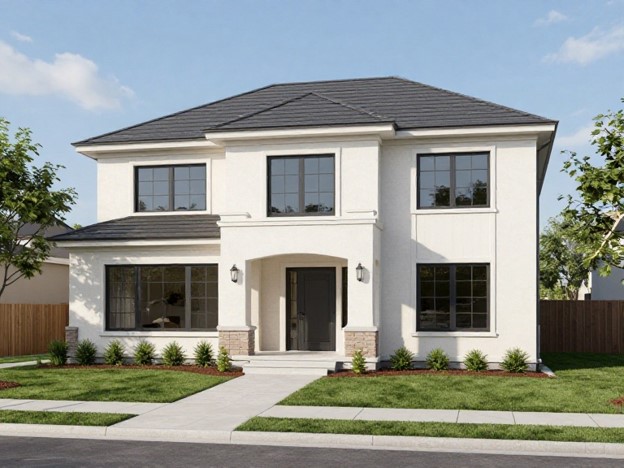
Ever found yourself tripping over toys in the hallway or dreaming of a kitchen where you can actually turn around? Perhaps you’re working from home and your “office” is currently the corner of your bedroom? You’re definitely not alone. Thousands of Australian homeowners are facing the same space squeeze, and many are discovering that extending their current home beats the hassle of moving altogether.
The property market in Australia has become increasingly competitive, with stamp duty costs and moving expenses adding up faster than most families can save. That’s precisely why home extensions have become such a popular choice. Instead of uprooting your life, dealing with estate agents, and saying goodbye to your favourite neighbourhood, you can simply create the space you need right where you are.
In this guide, we’ll walk you through everything you need to know about planning a home extension without blowing your budget. From understanding your options and typical costs to navigating council approvals and avoiding common mistakes, we’ve got you covered. By the end, you’ll have a clear roadmap for adding that extra room, expanding your living space, or finally getting that dream kitchen you’ve been sketching on napkins.
What Is a Home Extension and What Are Your Options?
A home extension is essentially any construction work that adds floor space to your existing property. It’s not just about tacking on a room—it’s about thoughtfully expanding your home to suit your lifestyle. The options available depend on your land size, budget, and local council regulations.
Single-Storey Extensions
Single-storey extensions are the most straightforward option for many homeowners. They involve extending outwards from your existing ground floor, whether that’s expanding your kitchen, adding a new living area, or creating an extra bedroom. These projects typically cost less than going up because they don’t require extensive structural reinforcement to your existing building.
Double-Storey Extensions
If you’re limited on land but have room to grow upwards, a double-storey extension might be your answer. These projects add significant square footage without eating into your garden space. However, they’re more complex, requiring careful structural assessment and often costing considerably more than single-storey alternatives.
Rear and Side Return Extensions
Rear extensions stretch out from the back of your home, perfect for creating open-plan kitchen and dining spaces. Side return extensions, on the other hand, fill in that narrow alley running along the side of your property. Many homeowners combine both for maximum impact.
Conservatories and Sunrooms
For a lighter-touch approach, conservatories and sunrooms offer additional living space with plenty of natural light. They’re generally quicker to build and can be more budget-friendly, though they may not add as much value as fully integrated extensions.
How Much Does a Home Extension Cost in Australia?
Let’s talk numbers—because knowing the typical costs helps you plan realistically from the start.
Average Cost Per Square Metre
In Australia, home extensions typically range from $1,500 to $5,000 per square metre. Basic additions might sit at the lower end, while high-spec builds with premium finishes climb towards the top. For a standard quality extension, expect to pay around $2,500 to $3,500 per square metre.
Factors That Influence Your Final Price
Several elements affect your final bill. The complexity of the design, quality of materials, your location, and the current state of the building industry all play a part. Sydney and Melbourne generally see higher prices than regional areas. Similarly, heritage-listed properties or homes requiring significant structural work will cost more.
Hidden Costs You Need to Budget For
Don’t forget the extras! Council application fees, architect or designer costs, engineering reports, and temporary accommodation if needed can add 15-20% to your base construction estimate. Plus, landscaping to restore your garden after construction is often overlooked.
Is It Cheaper to Extend or Move House?
This is the million-dollar question—quite literally. Moving house involves stamp duty (which can run into tens of thousands), agent fees, legal costs, removalists, and all those unexpected expenses that pop up when you’re settling into a new place.
When you crunch the numbers, extending often comes out ahead financially. More importantly, you’re investing in a property you already know and love. You keep your kids in their schools, stay close to your favourite local café, and avoid the stress of packing up your entire life.
That said, extending isn’t always the right choice. If your home has fundamental issues—poor location, structural problems, or simply isn’t worth the investment—moving might make more sense.
How Do I Plan a Home Extension Step by Step?
Planning is where successful extensions are won or lost. Rush this stage, and you’ll likely face delays and budget blowouts later.
Assessing Your Current Space and Needs
Start by honestly evaluating what you need. Is it an extra bedroom for a growing family? A home office? More entertaining space? Make a list of must-haves versus nice-to-haves. This clarity helps you avoid over-building—and overspending.
Setting a Realistic Budget
Once you know what you want, work out what you can actually afford. Include a contingency fund of at least 10-15% for unexpected costs. Getting quotes from multiple builders early helps you understand whether your dreams match your finances.
Choosing the Right Builder or Architect
Your choice of professionals can make or break your project. Look for builders with solid references and experience in similar extensions. Architects or building designers add cost upfront but often save money through clever design solutions.
Understanding Council Approvals and Permits
Most extensions require development approval from your local council. Some smaller projects may fall under exempt development rules, but it’s always worth checking before you start. The approval process can take weeks or months, so factor this into your timeline.
How Can I Extend My Home on a Tight Budget?
Working with limited funds doesn’t mean settling for a substandard result. Smart planning makes all the difference.
Cost-Saving Design Choices
Simple rectangular designs cost less than complex shapes. Keeping plumbing and electrical work close to existing services reduces costs. Choosing standard window sizes rather than custom options saves money without compromising on style.
Where to Splurge and Where to Save
Invest in good bones—quality construction, proper insulation, and decent windows. Save on easily replaceable items like paint colours, light fixtures, and cabinet hardware. You can always upgrade these later.
Timing Your Build for Better Pricing
The building industry has busy and quiet periods. Late autumn and winter often see builders with more availability, potentially offering better prices. Avoid peak renovation season (spring and early summer) if you can.
What Adds the Most Value to a Home Extension?
Not all extensions deliver equal returns. Kitchen extensions typically offer the best value boost, followed by additional bathrooms and creating open-plan living spaces. Extra bedrooms help too, especially if you’re adding an ensuite. Poorly planned additions that compromise natural light or create awkward layouts can actually decrease your home’s appeal.
Do I Need Council Approval for a Home Extension in Australia?
In most cases, yes. Each state and local council has different rules, but extensions typically require some form of approval. Exempt development provisions may cover minor works like small decks or pergolas, but anything substantial needs proper permits. Skipping this step can result in fines, demolition orders, and serious problems when you try to sell.
How Long Does a Home Extension Take to Complete?
Expect the full process—from initial design to final inspection—to take six months to a year or more. Design and approval stages often take 2-4 months. Construction itself might run 3-6 months for a standard single-storey extension, longer for complex builds. Weather delays, material shortages, and unexpected issues can extend timelines further.
Common Home Extension Mistakes That Blow Your Budget
Forewarned is forearmed. Here are pitfalls to avoid.
Poor Planning and Scope Creep
Changing your mind mid-build is expensive. Every alteration causes delays and additional costs. Lock in your design before construction begins and resist the temptation to keep tweaking.
Choosing the Wrong Builder
The cheapest quote isn’t always the best value. Builders who underquote often cut corners or hit you with variations later. Check references, view completed projects, and trust your instincts about who you’ll work well with.
Underestimating Structural Requirements
Older homes often throw up surprises—asbestos, inadequate foundations, or dodgy wiring. Budget for a thorough assessment before you commit to final costs.
How to Finance Your Home Extension Project
Renovation Loans and Home Equity Options
Many Australians fund extensions by accessing equity in their existing home. Construction loans, personal loans, and lines of credit are other options. Shop around for the best rates and understand the full cost of borrowing before signing anything.
Budgeting Tips to Stay on Track
Create a detailed spreadsheet tracking every expense. Pay invoices promptly to keep your builder happy but check work has been completed properly first. Keep communication open and address concerns immediately.
Building Smarter, Not Bigger
Planning a home extension doesn’t have to be overwhelming or budget-destroying. With careful thought, realistic budgeting, and the right professionals by your side, you can create the extra space your family needs without financial regret. The key is thorough preparation—understanding your options, knowing the costs involved, and avoiding common mistakes that trip up so many homeowners.
Remember, the goal isn’t necessarily the biggest extension possible. It’s the smartest one for your situation. A well-designed, properly built extension adds value to your home, improves your daily life, and gives you exactly the space you need.
So grab that notepad, start sketching your ideas, and take that first step towards the home you’ve been dreaming about. Explore professional Home Extensions in Northcote to discover how the right team can help you create a beautiful, functional space that suits your family’s needs and budget. Your future self—the one enjoying a morning coffee in that new sun-filled kitchen—will thank you for the effort you put in now.