
Have you noticed mysterious damp patches appearing on your ceiling? Are those cracks in your balcony tiles getting worse with each passing storm? Perhaps you’re wondering why your outdoor entertaining space seems to be slowly deteriorating despite your best efforts?
If you’re a Melbourne homeowner, balcony waterproofing isn’t just a nice-to-have—it’s absolutely essential. Our city’s unpredictable weather, with its sudden downpours, scorching summers, and everything in between, puts serious pressure on outdoor surfaces. Without proper protection, water finds its way into every tiny gap and crack, causing damage that’s both costly and frustrating to repair.
In this guide, we’ll explore everything you need to know about balcony waterproofing in Melbourne. You’ll discover the warning signs that indicate your balcony needs attention, understand what causes leaks in the first place, and learn about the best materials and techniques for long-lasting protection. Whether you’re dealing with an existing problem or want to prevent future headaches, this article has you covered. Let’s get stuck into it.
What Is Balcony Waterproofing and How Does It Work?
Understanding the Basics of Waterproof Membranes
At its core, balcony waterproofing involves creating a barrier that prevents water from penetrating your balcony’s structure. Think of it like putting a raincoat on your balcony—except this raincoat needs to last for years and withstand constant foot traffic.
Waterproof membranes sit beneath your tiles or surface finish, catching any water that seeps through grout lines or cracks. These membranes direct water towards drainage points, keeping it away from the concrete substrate and structural elements below.
Common Waterproofing Systems Used in Australia
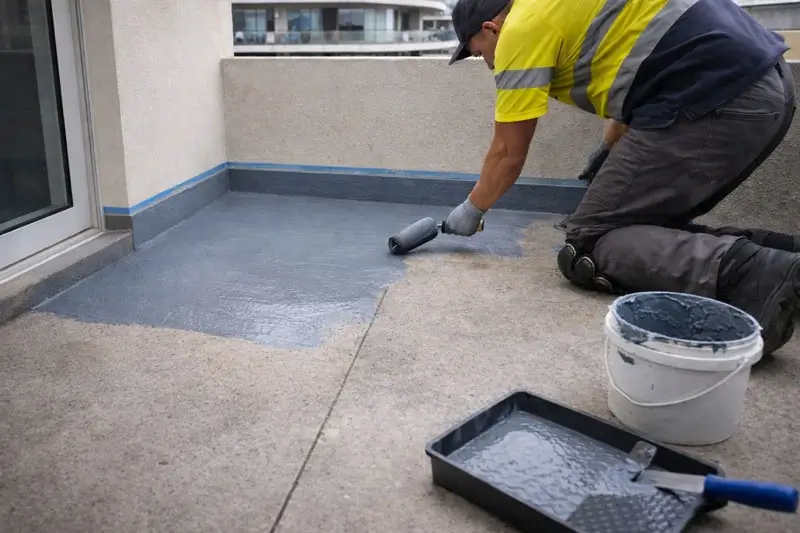
Australian homes typically use liquid-applied membranes, sheet membranes, or hybrid systems. Liquid membranes are painted on and cure to form a seamless protective layer. Sheet membranes come in rolls and are adhered to the surface. Each has its place depending on your balcony’s size, shape, and specific requirements.

Signs Your Balcony Needs Waterproofing
Visible Water Stains and Damp Patches
The most obvious red flag is water staining on the ceiling below your balcony. These brownish marks indicate that water is making its way through. You might also notice damp patches that appear after rain and slowly dry out—only to return with the next shower.
Cracked Tiles and Grout Deterioration
Take a close look at your balcony floor. Are the grout lines crumbling or missing in places? Do you spot cracks running through tiles? These issues allow water to bypass your surface finish and attack the membrane beneath. Even hairline cracks can cause significant problems over time.
Structural Damage and Concrete Spalling
More serious signs include concrete spalling—where chunks of concrete break away from the surface. You might notice rusting reinforcement steel becoming visible or the balcony edge deteriorating. These symptoms suggest long-term water damage that needs immediate professional attention.
What Causes Balcony Leaks in Melbourne Homes?
Poor Initial Installation
Unfortunately, many balcony leaks trace back to shortcuts taken during construction. Inadequate membrane coverage, improper drainage falls, or insufficient drying time between coats can all lead to failures. Even small installation errors create weak points that worsen over years.
Age and Wear of Existing Membranes
Nothing lasts forever, and waterproof membranes are no exception. Most quality membranes have a lifespan of 10-15 years, depending on conditions and materials used. As membranes age, they lose flexibility and become brittle, developing cracks that let water through.
Melbourne’s Weather Conditions and Their Impact
Melbourne’s famous four-seasons-in-one-day weather creates unique challenges. Temperature fluctuations cause materials to expand and contract repeatedly. Heavy rain saturates surfaces, while UV exposure degrades membrane materials. This constant cycle accelerates wear and tear considerably.
How Do You Waterproof a Balcony Properly?
Surface Preparation and Cleaning
Proper preparation makes all the difference. The surface must be completely clean, free from dust, grease, and loose material. Any existing damage needs repair before membrane application. Cracks require filling, and the surface should be primed to ensure proper adhesion.
Choosing the Right Waterproofing Membrane
Not all membranes suit every situation. Consider factors like UV exposure, expected foot traffic, and whether the balcony is covered or exposed. Your waterproofing specialist can recommend the best option based on your specific circumstances and budget.
Application Techniques for Long-Lasting Results
Professional applicators follow strict procedures—applying multiple coats, reinforcing corners and joints with fabric tape, and ensuring proper curing between layers. Rushing this process or skipping steps inevitably leads to premature failure.

Can You Waterproof Over Existing Tiles?
When Overlay Systems Work
In some cases, you can apply waterproofing over existing tiles without removing them. This works when tiles are firmly bonded, the substrate is structurally sound, and you can accommodate the additional height. Overlay systems save time and money when conditions permit.
When Full Tile Removal Is Necessary
However, if tiles are loose, hollow-sounding when tapped, or showing significant damage, removal is unavoidable. The same applies when the existing membrane has failed catastrophically or structural repairs are needed. Cutting corners here only delays inevitable problems.
Best Waterproofing Materials for Australian Conditions
Liquid Membranes vs Sheet Membranes
Liquid membranes offer seamless coverage and work brilliantly around complex shapes, drains, and penetrations. They’re particularly suited to balconies with irregular layouts. Sheet membranes provide consistent thickness and can be faster to install on larger, simpler areas.
Polyurethane and Epoxy Options
Polyurethane membranes are popular for their flexibility and UV resistance—perfect for exposed Melbourne balconies. Epoxy systems offer excellent chemical resistance and durability. Your choice depends on specific exposure conditions and performance requirements.
How Long Does Balcony Waterproofing Last?
Quality waterproofing, professionally installed using premium materials, should last 10-15 years or more. Factors influencing longevity include material quality, installation standards, UV exposure, and ongoing maintenance. Regular inspections help catch minor issues before they become major problems.
Choosing a Balcony Waterproofing Specialist in Melbourne
What to Look for in a Contractor
Seek contractors with specific waterproofing experience—not just general builders. Check they hold appropriate licences and insurance. Look for membership in industry associations and ask about warranties on both materials and workmanship.
Questions to Ask Before Hiring
Ask potential contractors about their experience with similar projects, what products they recommend and why, and their process from start to finish. Request references from recent jobs and enquire about their warranty terms and after-service support.
Preventing Future Balcony Leaks: Maintenance Tips
Regular maintenance extends your waterproofing’s lifespan considerably. Clear drains of leaves and debris to prevent water pooling. Inspect grout and sealant annually, repairing any deterioration promptly. Avoid dragging heavy furniture across tiles, and address any damage immediately before it worsens.
Consider scheduling professional inspections every few years. Experts can identify potential issues invisible to untrained eyes, allowing preventive action before costly damage occurs.
Protecting Your Melbourne Property Investment
Balcony waterproofing might not be the most glamorous home improvement topic, but it’s genuinely vital for Melbourne property owners. The combination of our challenging weather conditions and the serious consequences of water damage makes proper waterproofing a smart investment rather than an optional extra.
Throughout this guide, we’ve covered the essential elements—from understanding how waterproof membranes work to recognising warning signs, choosing appropriate materials, and finding qualified specialists. The key takeaway? Don’t wait until water stains appear on your ceiling to take action. Preventive maintenance and timely intervention save money and stress in the long run.
If you’re concerned about your balcony’s condition, reach out to a reputable Melbourne waterproofing specialist for an assessment. Your home is likely your biggest investment, and protecting it from water damage is simply good sense. Take action today, and enjoy your outdoor space with complete peace of mind for years to come.