

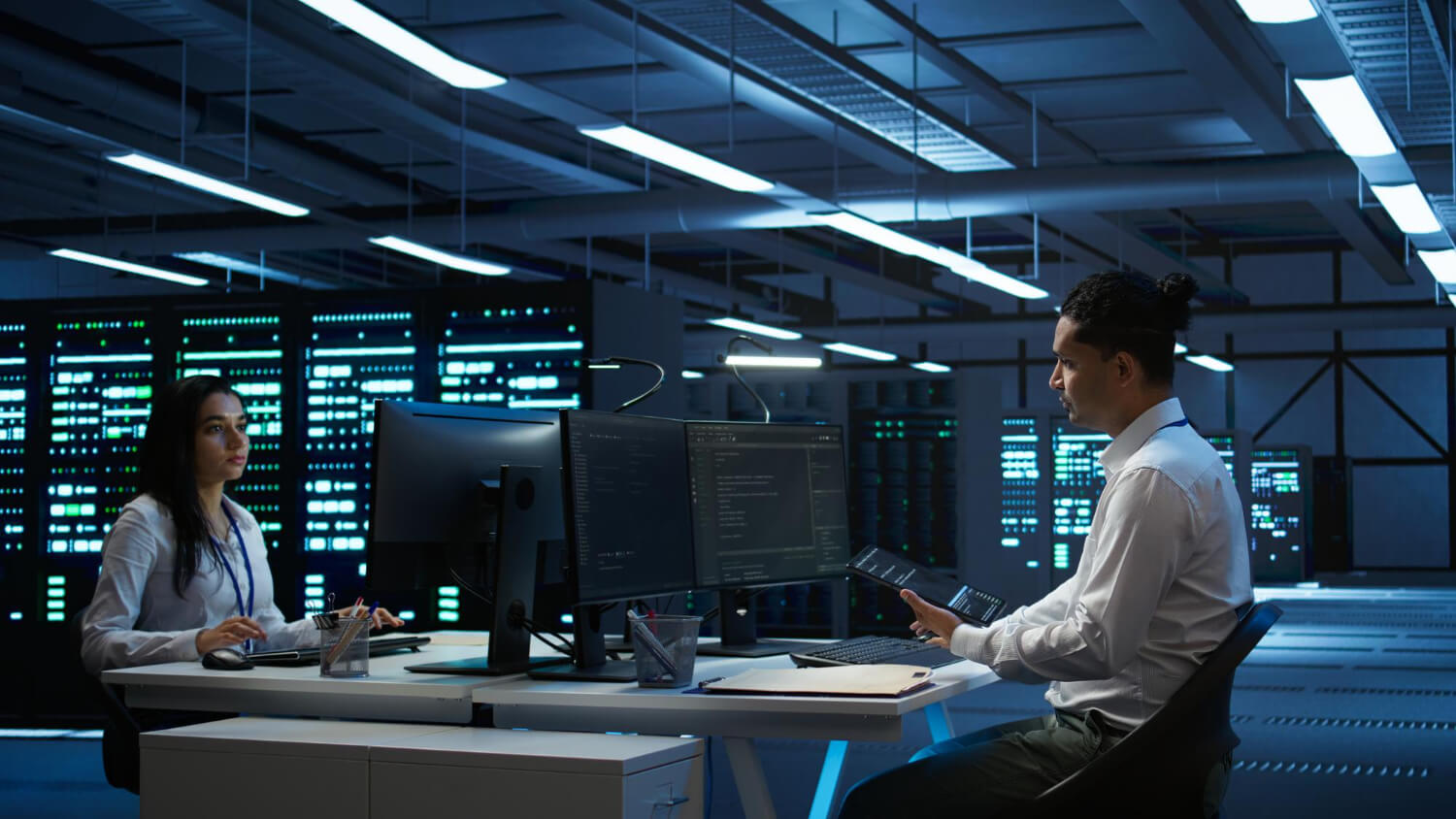
Every headline about cybersecurity focuses on malware, ransomware, and data breaches. But what if the threat doesn’t come through the network, it walks through the front door?
Data centers power modern enterprises. They store critical infrastructure, intellectual property, and sensitive customer information. Yet without strong physical safeguards, even the most advanced cybersecurity systems can be bypassed.
Physical security in data centers isn’t just about locked doors; it’s about layered protection, controlled access, and preventing unauthorized interaction with the hardware that keeps your business running.
Why Physical Security in Data Centers Matters?
Data centers are the backbone of modern enterprises. They host mission-critical applications, store sensitive customer data, and power cloud infrastructure, financial systems, and internal operations. If someone gains unauthorized physical access to this environment, the consequences can be immediate and severe, from hardware theft and data extraction to system disruption and prolonged downtime.
Unlike remote cyberattacks, physical breaches can bypass even the strongest firewalls and encryption systems. A compromised server, an exposed network port, or a tampered rack can undermine your entire cybersecurity framework.
Physical security is also essential for regulatory compliance. Standards such as ISO 27001, SOC 2, and HIPAA require strict controls over facility access, surveillance, and hardware protection. Failing to implement these measures can result in financial penalties and reputational damage
Simply put, if you cannot secure the physical foundation of your IT infrastructure, no digital security strategy can fully protect it.

Multi-Layered Perimeter Protection
A strong data center security strategy begins at the outermost boundary. Perimeter protection creates the first line of defense, deterring threats before they reach critical infrastructure.
Secure Facility Location & Perimeter Control
- Fencing and Barriers: High-security fencing, reinforced gates, and physical barriers establish a clear boundary around the facility. These measures discourage unauthorized entry and define controlled access zones.
- Controlled Vehicle Access: Vehicle checkpoints, guard stations, and gated entry systems ensure that only authorized vehicles approach loading docks or infrastructure zones.
- Anti-Ram Protections: Bollards, crash-rated barriers, and reinforced entryways protect against vehicle-based intrusion attempts.
- Lighting and Surveillance Around Perimeter: Proper illumination combined with exterior surveillance cameras reduces blind spots and increases visibility during off-hours. Controlled Entry Points
- Single-Point Entry Strategy: Limiting access to a primary monitored entrance reduces vulnerability and simplifies access tracking.
- Security Checkpoints: On-site security personnel verify credentials and monitor entry activity to prevent unauthorized access.
- Visitor Logging and Escort Policies: All visitors should be pre-approved, logged, issued temporary credentials, and escorted at all times within secure areas.
Strong Access Control Systems
Once inside the perimeter, layered authentication ensures that only authorized personnel reach sensitive areas.
Multi-Factor Authentication (MFA):
- Access Badges + PIN: Combining ID badges with PIN codes adds an extra layer of verification.
- Biometric Systems: Fingerprint scanners, retina scans, or facial recognition provide high-assurance identity validation. Role-Based Physical Access
- Least Privilege Principle: Personnel should only access areas necessary for their job function.
- Segmented Access Zones: Dividing facilities into restricted zones limits exposure and reduces risk in case of credential compromise. Mantraps & Anti-Tailgating Systems
- Two-Door Interlocking Systems: Mantraps allow only one authenticated individual at a time, preventing forced entry.
- Preventing Piggybacking: Anti-tailgating systems ensure unauthorized individuals cannot enter by following approved personnel.
Surveillance & Monitoring Best Practices
Continuous monitoring strengthens detection and response capabilities.
24/7 CCTV Monitoring
- High-Resolution Cameras: Clear imaging improves identification accuracy.
- Comprehensive Coverage: Cameras should monitor entrances, exits, server racks, hallways, and loading docks. Video Retention Policies
- Secure Storage of Recordings: Video footage must be encrypted and protected from tampering.
- Defined Retention Periods: Retention timelines should align with compliance and internal audit requirements. Real-Time Alerting Systems
- Integration with Security Operations Center (SOC): Alerts should feed directly into centralized monitoring systems.
- Motion Detection Alerts: Automated notifications enable faster incident response during suspicious activity.
Rack-Level & Equipment-Level Security
Even within secure rooms, equipment must be individually protected.
Lockable Server Cabinets
- Restrict Unauthorized Physical Interaction: Rack-level locks prevent unauthorized hardware access.
- Prevent Hardware Theft or Tampering: Securing cabinets reduces risk of device removal or manipulation. Port & Interface Protection
- USB Port Blockers: Prevent unauthorized data transfer or malware introduction.
- Ethernet Port Locks: Stop rogue devices from connecting to internal networks.
- Disabled Unused Ports: Deactivating unnecessary interfaces minimizes attack surfaces. Cable Management & Securing Network Devices
Organized cabling reduces confusion, limits accidental disconnections, and decreases tampering opportunities.
Environmental & Infrastructure Controls
Physical security also involves protecting systems from environmental risks.
- Fire Suppression Systems: Gas-based suppression systems extinguish fires without damaging sensitive electronics.
- Climate Control Monitoring: Temperature and humidity sensors ensure optimal operating conditions and prevent equipment failure.
- Power Redundancy & Backup:
- UPS Systems: Uninterruptible Power Supplies protect against short-term outages.
- Backup Generators: Generators maintain operations during extended power failures.
Personnel Security Policies
Technology alone cannot secure a data center; people play a critical role.
- Background Checks: Employee vetting reduces insider threat risks.
- Security Awareness Training: Training programs should cover insider threat recognition, access protocols, and tailgating prevention.
- Clear Visitor Management Protocols: Temporary badges should expire automatically, and visitor access should be time-bound and logged for audit purposes.
Common Mistakes to Avoid
Even well-designed data centers can have critical gaps in physical security. Avoid these common mistakes:
- Relying only on surveillance cameras: CCTV helps with monitoring, but it does not prevent unauthorized access without strong access controls.
- Ignoring insider threats: Employees, contractors, and vendors can pose risks if access rights are not properly managed and reviewed.
- Failing to enforce least-privilege access: Granting broad access increases exposure. Physical permissions should align strictly with job roles.
- Overlooking unused ports and equipment interfaces: Open USB or network ports create easy entry points for data theft or malware.
- Skipping regular audits and access reviews: Physical access logs and permissions should be reviewed periodically to detect anomalies and outdated credentials.
Strong physical security requires continuous evaluation, not a one-time setup.
In today’s threat landscape, physical security is not a secondary concern; it is the foundation of a resilient data center. From perimeter protection and access control to rack-level safeguards and environmental monitoring, every layer plays a critical role in protecting critical infrastructure.
Cybersecurity strategies are only as strong as the physical environment that supports them. A single lapse in physical access can undermine even the most advanced digital defenses. By implementing a layered, proactive approach to physical security, organizations can reduce risk, strengthen compliance, and ensure uninterrupted operations.
Now is the time to evaluate your data center’s physical security posture and close any gaps before they become vulnerabilities.