
There are few appliances in an Australian home that work harder than the water heater. From the steaming shower that wakes you up in the morning to the dishwasher running after a family dinner, reliable hot water is the backbone of a comfortable household. Yet, most of us take it for granted until we turn the tap and get hit with a blast of freezing cold water.
As we move into 2026, the landscape of water heating has shifted dramatically. The days of simply replacing an old electric guzzler with the same model are fading. With rising energy costs and a strong national push toward electrification and sustainability, choosing a new system is now a strategic decision for your home. It impacts your quarterly bills, your environmental footprint, and the future value of your property.
Whether you are renovating a heritage home in Melbourne, building new, or simply dealing with a burst tank, understanding your options is vital. This guide explores the modern technologies available, the importance of professional installation, and how regular maintenance keeps your system running smoothly.
The Changing Face of Australian Hot Water
The Australian market has evolved. For decades, the standard solution was a large electric storage tank or a gas unit. However, changes in government regulations and energy efficiency standards have introduced new contenders.
State governments across the country are offering incentives to move away from inefficient resistance electric heating. Instead, the focus is on technologies that leverage our abundant sunshine or ambient heat. When you start looking for a new hot water service, you will notice that energy ratings and running costs are now the headline features. This shift means that while a modern system might cost a little more upfront compared to a basic tank from ten years ago, the savings on your electricity bill can be substantial over the life of the unit.
The Contenders: Types of Systems Available
Choosing the right unit depends on your household size, your climate, and your existing connections. Here are the main types dominating the market in 2026.
1. Electric Heat Pumps
Heat pumps have rapidly become the preferred choice for many Australian families. You can think of a heat pump as a refrigerator working in reverse. Instead of pumping heat out to keep food cold, a fan pulls warm air from the atmosphere, compresses it to increase the temperature, and transfers that heat to the water tank.
Because they extract heat from the air rather than generating it directly from electricity, they are incredibly efficient. For every unit of electricity they consume, they can produce three to four units of heating energy.
- Best for: Homes looking to reduce electricity bills and move away from gas. They work well with solar power systems (PV) as you can time them to heat water during the day when the sun is shining.
- Considerations: The compressor unit makes a low humming noise, similar to an air conditioner outdoor unit, so placement away from bedroom windows is important.
2. Gas Continuous Flow
Often called “instantaneous” systems, these units do not store water. Instead, a gas burner ignites the moment you turn on a hot tap, heating the water as it flows through a coiled pipe.
- Best for: Smaller blocks where space is tight, or large families with high water usage who don’t want to run out of hot water.
- Considerations: You need a natural gas connection or LPG bottles. As some states move to phase out gas in new developments, you should consider the long-term availability and cost of gas in your area.
3. Solar Hot Water
Australia has some of the best solar resources in the world. Solar thermal systems use collectors on the roof to absorb heat directly from the sun. The heated fluid is then circulated into a storage tank.
- Best for: Households in sunny regions with good roof space facing north.
- Considerations: Installation is more complex and expensive upfront. You will still need a booster (electric or gas) for cloudy days or high usage periods to ensure you have a consistent hot water service regardless of the weather.
4. Electric Storage
Traditional electric storage tanks use a heating element inside the drum to keep water hot 24/7. While they are cheap to buy, they are often the most expensive to run.
- Best for: Emergency replacements in tight spots where other systems won’t fit, or for households with very low hot water usage.
- Considerations: Many new regulations restrict the installation of these units in new homes due to their high carbon footprint.
Sizing Your System Correctly
One of the most common mistakes homeowners make is choosing the wrong size. If your system is too small, the last person to shower in the morning is going to be unhappy. If it is too big, you are paying to heat water that sits there unused.
Sizing isn’t determined by the number of bathrooms you have, but rather by the number of people in the home and your usage habits.
- 1–2 People: A continuous flow unit or a small 160-litre heat pump is usually sufficient.
- 3–4 People: A medium-sized storage tank (250 litres) or a standard continuous flow system works well.
- 5+ People: You need a large storage capacity (315 litres or more) or a high-capacity continuous flow unit to handle simultaneous showers and washing cycles.
The Vital Role of Installation and Compliance
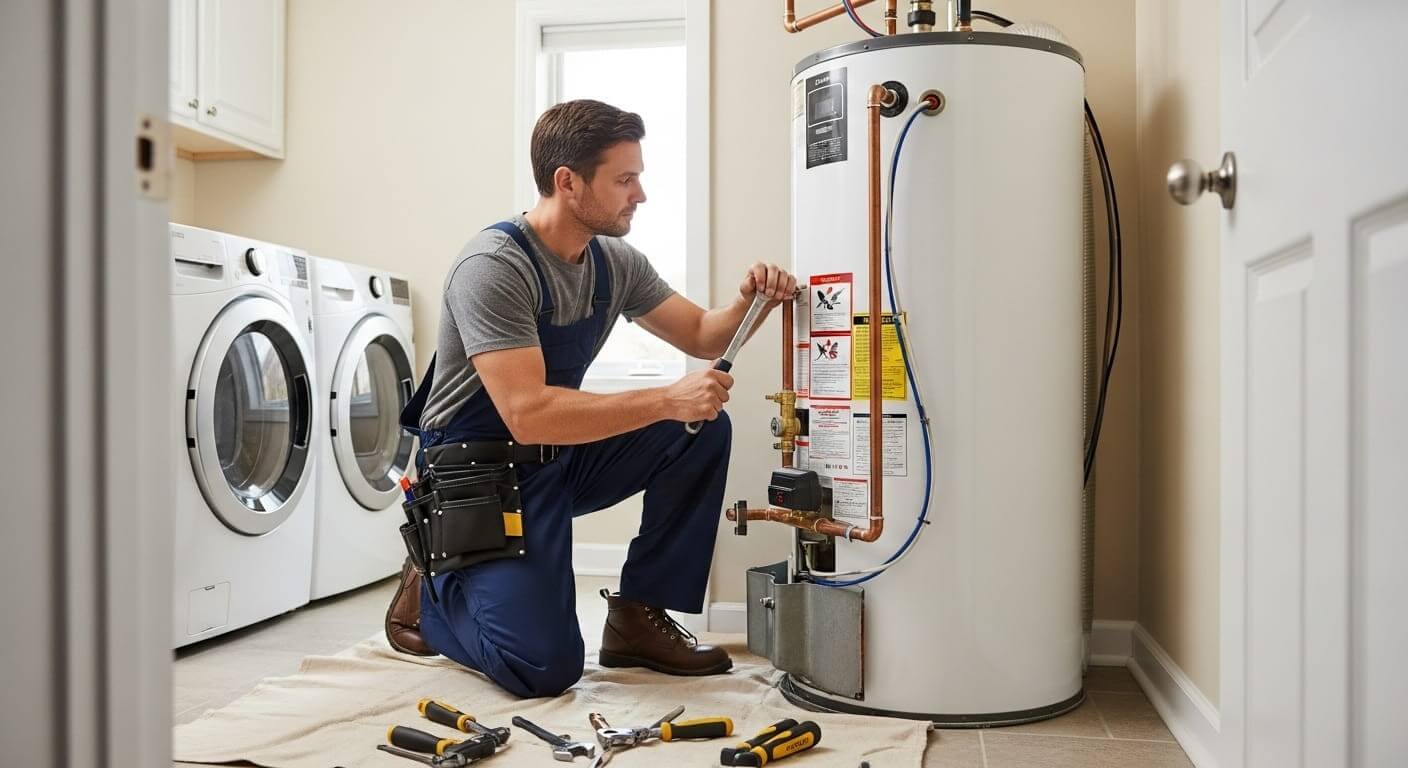
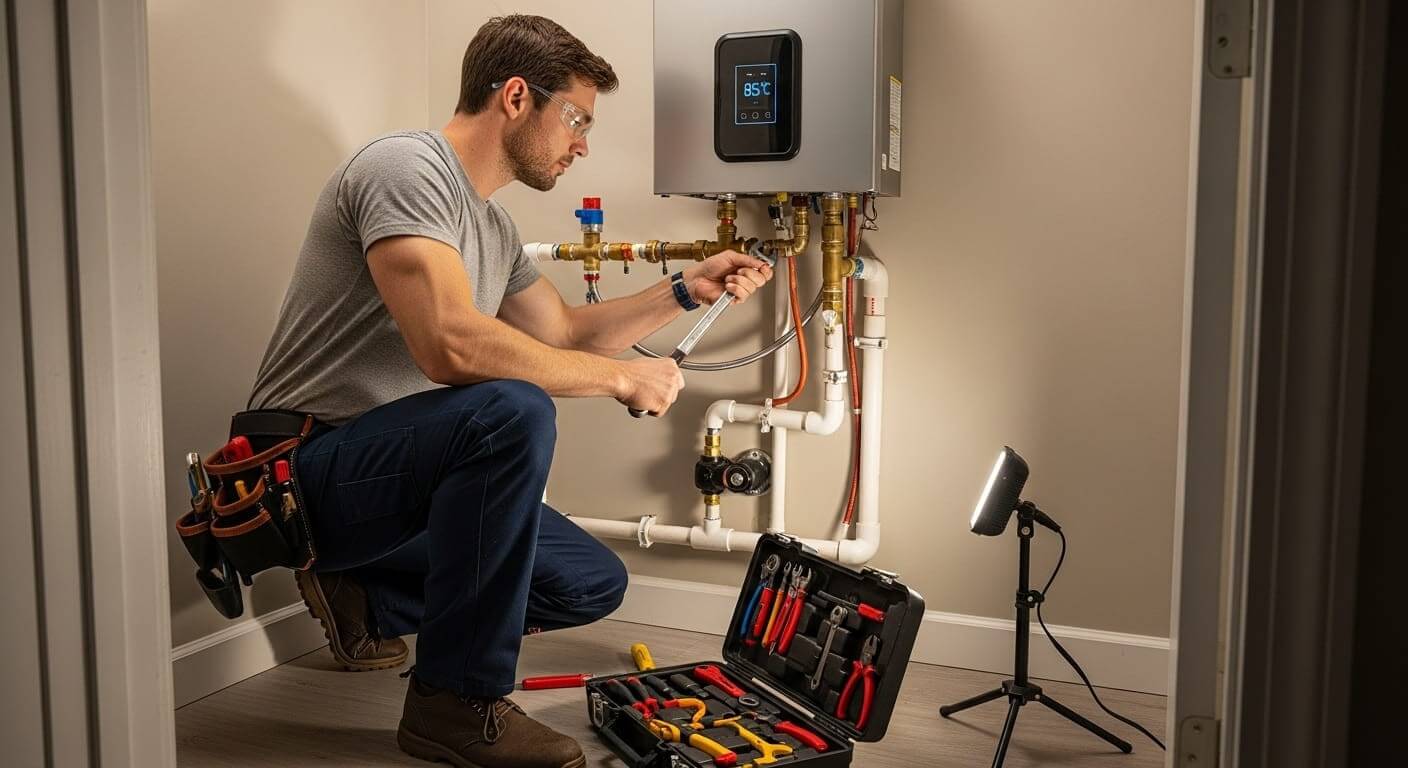
Plumbing regulations in Australia are strict for a reason. Hot water can be dangerous if not managed correctly. A professional hot water service provider ensures that your installation meets all safety standards.
Tempering Valves
It is a legal requirement in Australia that hot water delivered to bathrooms used for personal hygiene must not exceed 50 degrees Celsius. Water in the tank needs to be stored at above 60 degrees to kill bacteria like Legionella, but 60-degree water can cause serious burns in seconds. A tempering valve mixes cold water with the hot water before it reaches the tap to ensure it is safe, protecting children and the elderly from scalding.
Safe Trays and Drainage
If your storage tank is installed inside the home—such as in a laundry cupboard or roof space—it must be placed on a “safe tray” with a drain pipe leading outside. Tanks eventually leak as they age. Without this tray, a leak could flood your home, ruining carpets and cabinetry. A licensed plumber will ensure this failsafe is in place.
Extending Lifespan with Regular Maintenance
We often install these appliances and forget about them until they break. However, like your car, your water heater needs regular attention to perform efficiently. Booking a routine hot water service every few years can extend the life of your unit significantly.
The Sacrificial Anode
Inside every vitreous enamel (steel) storage tank is a metal rod called a “sacrificial anode.” Its sole purpose is to attract corrosion. It rusts away so that the steel tank does not. Over time, this rod gets eaten away. If it is not replaced, the corrosion will attack the tank walls, leading to leaks and the need for a full replacement. A plumber can inspect and replace this anode, adding years to your tank’s life.
Pressure Relief Valves
Every storage system has a Temperature Pressure Relief (TPR) valve. This safety device releases pressure if the tank gets too hot or pressure builds up. You should gently lift the lever on this valve every six months to ensure it moves freely. If it is stuck or leaking continuously, it needs professional replacement immediately.
Questions and Answers: Common Questions About hot water service in Australia
Q: How long should a hot water system last?
A: The lifespan varies depending on the type of system and the water quality in your area. Generally, a standard electric or gas storage tank will last between 10 and 15 years. Stainless steel tanks often last longer than mild steel ones. Continuous flow units can last up to 20 years because they do not hold water that causes corrosion. Regular maintenance is the key to reaching these milestones.
Q: Why is my hot water system making a popping or banging noise?
A: Noises from the tank often indicate a buildup of sediment or “scale” at the bottom. In areas with hard water, minerals settle and harden. When the heating element turns on, it can cause the water trapped under the sediment to boil and bubble up, causing a popping sound. A professional flush of the tank can usually resolve this.
Q: Can I switch from electric to gas or heat pump easily?
A: Switching energy sources is a common upgrade, but it involves extra work. Moving from electric storage to gas requires a gas connection and new pipework. Switching to a heat pump often requires moving the unit outdoors to access airflow. While the upfront labour cost is higher, the long-term energy savings usually make the switch worthwhile.
Q: What do I do if my hot water system bursts?
A: First, isolate the water supply. Look for a small tap or knob (usually black or green) on the cold water pipe entering the bottom of the tank and turn it clockwise. Then, turn off the power to the unit at your electrical switchboard or shut off the gas valve. Once the immediate danger is managed, call a plumber to arrange a replacement.
Q: How much does a professional hot water service cost?
A: The cost depends on the nature of the work. A routine check-up including valve inspections and anode replacement is a standard maintenance fee. However, a full replacement installation varies based on the system type and the complexity of the plumbing required. It is always best to get a clear quote from your provider before work begins.
Conclusion: Your Path to a Successful hot water service in Australia
Selecting the right water heating solution is about more than just buying a box. It is about understanding your household’s needs and matching them with a system that delivers reliability and efficiency. In 2026, the shift towards heat pumps and renewable-friendly options gives Australian homeowners the chance to lower their bills while enjoying consistent comfort.
However, the best hardware in the world will fail without proper care. Installation by a licensed professional is non-negotiable for safety and compliance. Furthermore, maintaining that system with a regular hot water service is the smartest way to protect your investment.