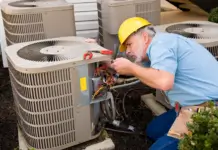

Keeping your air conditioning system in peak condition is not just about comfort—it is about efficiency, longevity, and cost savings. Many homeowners overlook small maintenance tasks, only to face expensive repairs or sudden breakdowns during peak summer months.
A well-planned routine based on a reliable AC maintenance checklist can make all the difference. Whether you handle basic upkeep yourself or schedule professional servicing, staying consistent helps your system run smoother, use less energy, and last longer.
Clean or Replace Air Filters Regularly
Air filters are one of the most critical yet often neglected parts of an AC system. Over time, dust, pollen, and debris clog the filter, restricting airflow and forcing the unit to work harder. This not only reduces cooling efficiency but also increases energy consumption.
Ideally, filters should be checked every month and replaced every 1–3 months depending on usage and indoor air quality. Homes with pets or allergies may require more frequent changes. Clean filters improve airflow, maintain indoor air quality, and reduce strain on the system, ultimately extending its lifespan.
Inspect and Clean the Outdoor Unit
The outdoor condenser unit is exposed to the elements, making it vulnerable to dirt, leaves, and debris. When airflow around the unit is restricted, heat transfer becomes inefficient, leading to poor cooling performance.
Ensure there is at least two feet of clearance around the unit. Gently clean the fins and remove any visible debris. Avoid using high-pressure water, as it can damage delicate components. Regular inspection keeps the condenser functioning efficiently and prevents overheating issues during hot weather.
Check Thermostat Settings and Performance
Your thermostat plays a central role in regulating indoor temperature and energy usage. If it is not functioning properly, your AC system may cycle incorrectly or run longer than necessary.
Consider upgrading to a programmable or smart thermostat if you have not already. These devices allow better temperature control, reduce energy waste, and improve overall comfort. Always ensure the thermostat is calibrated correctly and placed away from direct sunlight or heat sources.
Inspect Refrigerant Levels
Refrigerant is essential for cooling your home. If levels are too low, it may indicate a leak or improper charging, both of which can significantly reduce efficiency.
Signs of low refrigerant include weak cooling, longer run times, and ice buildup on coils. This is not a DIY task—professional inspection is required. Addressing refrigerant issues early prevents compressor damage, which is often one of the most expensive repairs.
Clean and Unblock Drain Lines
The AC system removes humidity from the air, producing condensation that drains through a pipe. Over time, this drain line can become clogged with algae, mould, or debris.
A blocked drain line can lead to water leaks, increased humidity, and even system shutdown. Flushing the line periodically with a mild cleaning solution helps prevent clogs. Keeping this component clear ensures proper moisture removal and protects your home from water damage.
Examine Electrical Components
Loose connections, worn wires, or faulty capacitors can compromise system performance and safety. Electrical issues may cause the unit to fail unexpectedly or operate inefficiently.
A professional technician should inspect electrical components annually. Tightening connections and replacing worn parts ensures smooth operation and reduces the risk of system failure during peak usage.
Schedule Professional Maintenance
While basic upkeep can be handled at home, a comprehensive inspection by a professional is essential at least once a year. Experts follow a detailed AC maintenance checklist that includes checking internal components, testing system performance, and identifying potential issues early.
Professional servicing not only improves efficiency but also helps maintain manufacturer warranties. It is a proactive step that saves money and prevents unexpected breakdowns.
Monitor Energy Bills and System Performance
A sudden increase in energy bills often signals that your AC system is not operating efficiently. Monitoring usage patterns can help you detect issues early.
If you notice inconsistent cooling, unusual noises, or higher costs, it may be time for a detailed inspection. Staying alert to these signs allows you to address minor problems before they escalate into major repairs.
Wrapping Up
Regular AC maintenance is not just a seasonal task—it is an ongoing commitment to comfort, efficiency, and reliability. By following a structured checklist and addressing small issues early, you can avoid costly repairs and ensure your system performs at its best when you need it most.
A well-maintained AC unit delivers consistent cooling, lowers energy bills, and provides peace of mind throughout the year.