

A small blockage in one of the less used drains of your house might not seem like a big problem. However, if disregarded, blocked drains can have extensive implications for the environment, resulting in water contamination, soil erosion, and discrepancy in local ecosystems. As homeowners and aware citizens, understanding the functional anatomy of the drainage systems, signs of blocked drains, their potential environmental harm, along with preventive measures, can go a long way in preserving our planet.
This topic isn’t just relevant for homeowners but is also conducive to a broad range of audience who are committed to making their lifestyle more sustainable and environmentally friendly. As an example, I was in my mid-20s when I first faced the problem of a blocked drain in my rented apartment. I ignored it at the start, thinking it to be a petty issue. It was only when things escalated and I had to call in a professional, did I realize the gravity of the problem. That was my first step in comprehending the potential environmental harm of blocked drains.
The Earth Beneath our Feet: Understanding Drainage Systems
Drains are an indispensable part of any household or urban structure, designed to transport wastewater from homes and streets, eventually directing it towards a sewage treatment facility. They are basically channels that carry away unwanted water. There are different types of draining systems designed for varied purposes – surface water drains, sewer drains, stormwater drains, and septic systems to name a few.
While surface water drains and stormwater drains are designed to channel excess rainwater, sewer drains handle wastewater from homes. Septic systems, on the other hand, are specific to homes that aren’t connected to municipal sewage systems, treating waste at the source. Each of these systems is intricately designed, keeping factors like topography, weather, and usage into consideration.
Blocked Drains: A Hidden Environmental Villain
Armed with an understanding of what drains are and their crucial role, an uncared-for and blocked drain is nothing short of an environmental nemesis. Blocked drains don’t just cause localized waterlogging and inconvenience but can have grave consequences like water pollution due to overflowing of untreated sewage.
Soil erosion is another significant consequence as excess water on roads can wash away the topsoil layer, robbing it of its fertility. A blocked drain can also cause significant harm to local flora and fauna. Untreated water overflowing from blocked drains can contaminate local water bodies and soil, posing a direct threat to aquatic life and vegetation.
Studies from the University of Queensland underline the environmental implications of blocked drains clearly, stating that blocked drains can serve as breeding grounds for mosquitoes spreading vector-borne diseases.
The Homeowner’s Plight: Signs and Symptoms of Blocked Drains
Identifying a blocked drain at an early stage can prevent most of the collateral damage. Unpleasant odors, slow draining sinks, gurgling noises from drains, and frequent toilet clogs, are some of the early indications of a blocked drain.
Regular attention to these details can go a long way in preempting major blockages. A blocked drain is not just an environmental concern but can also affect your daily life, causing unwanted odors, waterlogging, and structural damage to property in severe cases.
Roll Up Your Sleeves: DIY Solutions to Unblock Drains
Unblocking a drain doesn’t always require professional intervention. Simple, eco-friendly DIY methods can often do the trick. For instance, a blend of vinegar and baking soda can be an effective solution. Pour half a cup of baking soda into the drain and follow it with an equal quantity of vinegar. Wait for 15 minutes and then rinse with hot water.
However, safety should be the priority while handling blocked drains. Avoid using chemical drain cleaners as they can disturb the natural microbial balance in the drains, not to mention their harmful environmental effects.
Professional Know-How: When to Call upon Tradespeople
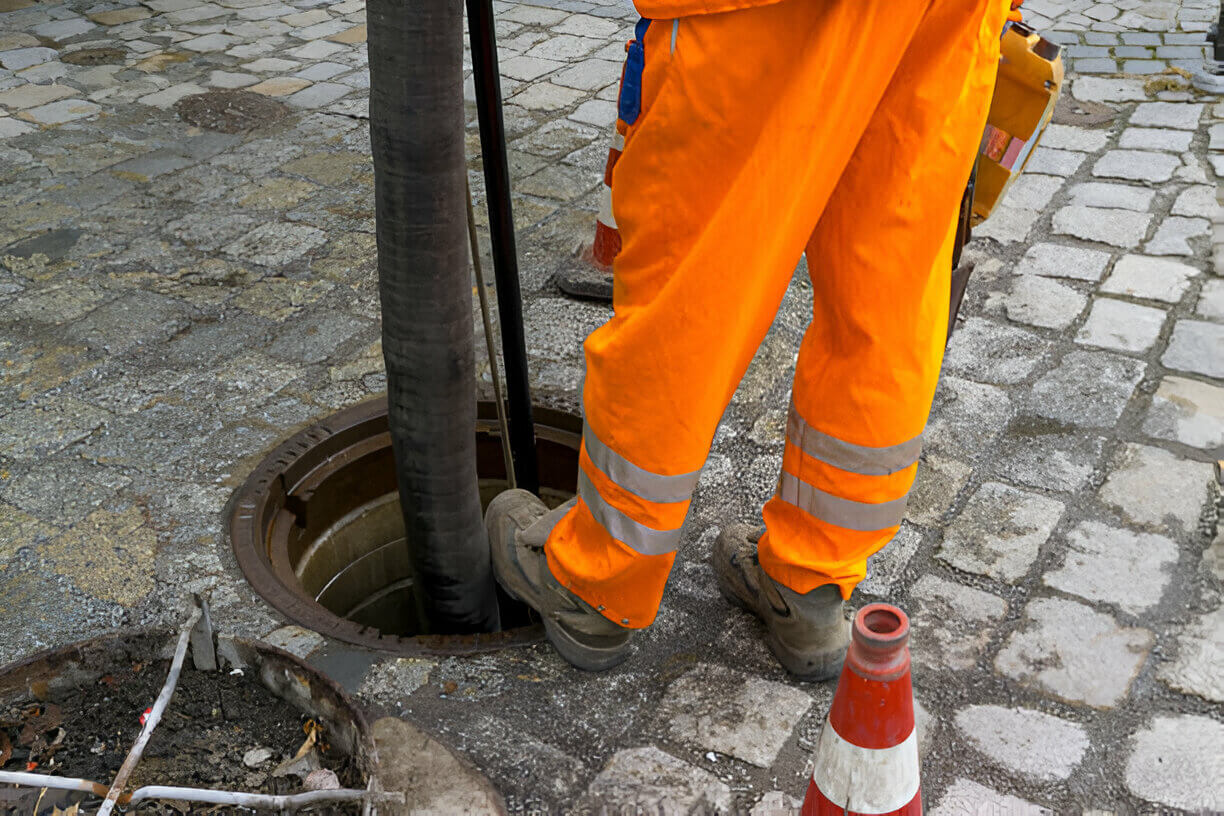
There are instances when the blockage is severe, or located deep within the system. That’s when you need professional help. Drainage professionals use specialized tools and methods like hydro jetting, drain snakes, and drain cameras. They also ensure reducing environmental impact by adopting eco-friendly practices, recycling water used in hydro jetting, for instance.
Prevention over Cure: Strategies to Avoid Blocked Drains
Regular maintenance and certain daily practices can effectively prevent blocked drains. Avoid flushing down non-degradable items like sanitary napkins or wet wipes; ensure a regular clean-up of the outdoor drains from leaves and debris. These strategies not only safeguard the environment but also save a significant amount of money which might otherwise be spent on drain repairs.
Bigger Picture, Bolder Actions: Policy Initiatives & Community Efforts Against Blocked Drains
Community efforts and local policy initiatives can play a transformational role in managing blocked drains. For instance, the Australian government’s Be Sewer Smart campaign educates citizens on responsible disposal of waste. Such collaborative initiatives have a significant impact, pooling resources, and efforts towards a common cause.
Conclusion
Blocked drains might appear to be a minor inconvenience, but they have far-reaching environmental implications. As responsible citizens, comprehending the issue and taking timely, preventive actions can help mitigate this environmental problem.