
Blocked drains are one of the most common plumbing problems experienced in homes and commercial properties. A blocked drain can cause slow water flow, unpleasant odors, and even serious water damage if not addressed quickly. Whether it occurs in the kitchen, bathroom, or outdoor drainage system, a blockage can disrupt daily activities and create inconvenience for property owners.
Understanding the causes of blocked drains and learning how to prevent them can help maintain a healthy plumbing system. Regular maintenance and proper waste disposal practices can significantly reduce the chances of drain blockages and ensure that water flows smoothly through pipes.
Common Causes of Blocked Drains
Blocked drains can occur for several reasons, and identifying the cause is the first step toward resolving the issue. In many cases, blockages develop gradually over time as debris accumulates inside pipes.
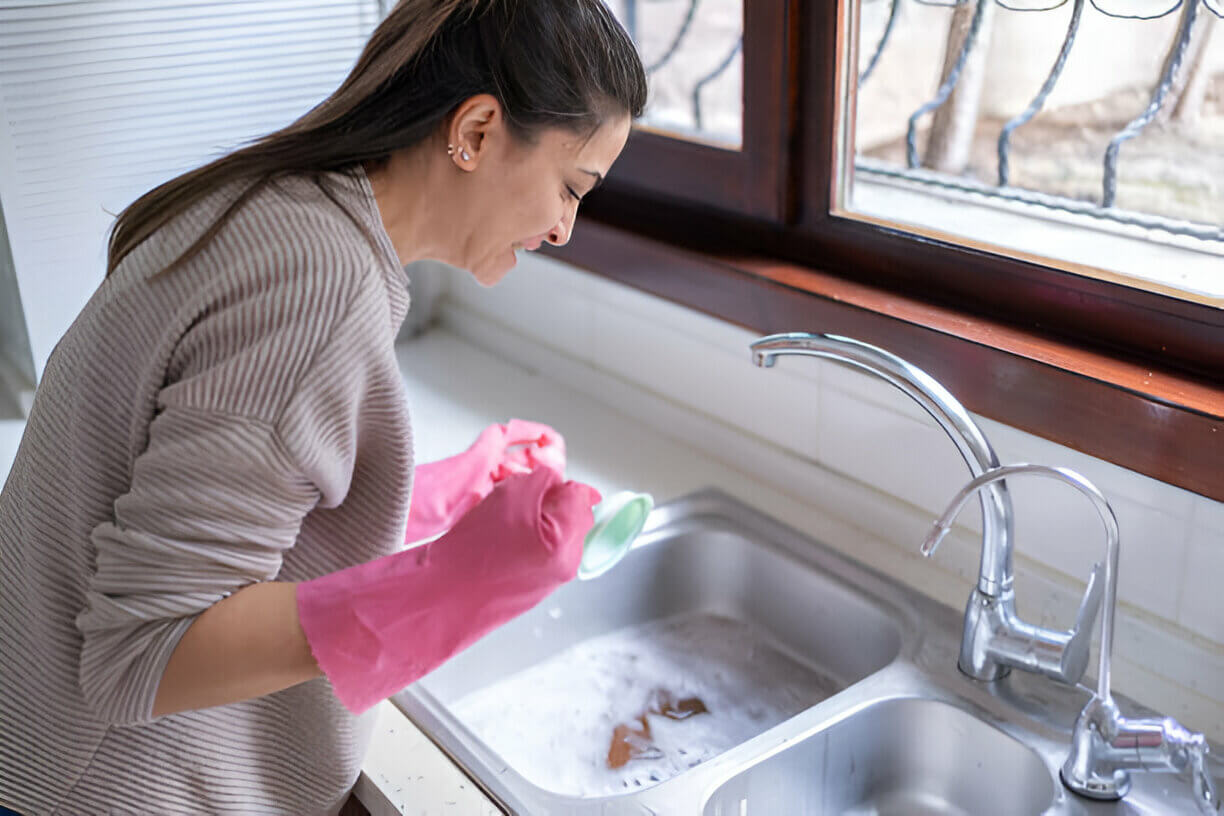
One of the most common causes of blocked drains is the buildup of grease and food particles in kitchen sinks. When cooking oils and fats are washed down the drain, they can solidify inside the pipes and trap other debris, eventually causing a blockage.
In bathrooms, hair, soap residue, and personal care products are frequent culprits. Hair can easily accumulate inside pipes, forming clumps that restrict water flow. Soap residue can also combine with minerals in water to create a thick buildup inside drainage systems.
Outdoor drains may become blocked due to leaves, dirt, tree roots, and other debris entering the drainage system. Tree roots, in particular, can grow into underground pipes in search of moisture, leading to severe blockages and pipe damage.
Signs That Indicate a Blocked Drain
Recognizing the early signs of a blocked drain can help prevent larger plumbing problems. One of the most noticeable signs is slow drainage. If water takes longer than usual to drain from sinks, bathtubs, or showers, it may indicate a developing blockage.
Another common sign is unpleasant odors coming from drains. When food waste or organic material becomes trapped inside pipes, it can begin to decompose and produce foul smells.
Gurgling sounds from drains or toilets may also indicate trapped air within the plumbing system caused by a blockage. In more severe cases, water may back up into sinks, showers, or floor drains.
Addressing these warning signs promptly can help prevent the blockage from worsening and causing damage to the plumbing system.
How Blocked Drains Affect Plumbing Systems
A blocked drain can place significant stress on a plumbing system. When water cannot flow freely through pipes, pressure may build up within the system. This pressure can weaken pipe joints and potentially cause leaks or bursts.
In severe cases, blocked drains may lead to water overflowing from sinks, toilets, or outdoor drainage points. This can result in water damage to floors, walls, and surrounding areas.
Blocked drains can also create unsanitary conditions, especially when wastewater begins to accumulate. This may pose health risks due to the presence of bacteria and other contaminants.
Maintaining clear drainage systems is therefore essential for protecting both property and health.
Preventing Drain Blockages
Preventing blocked drains is often easier and more cost-effective than dealing with major plumbing repairs. Simple habits and maintenance practices can significantly reduce the risk of blockages.
One of the most important steps is avoiding the disposal of grease, oils, and fats down kitchen sinks. Instead, these substances should be collected in a container and disposed of in the trash.
Using drain strainers in sinks and showers can help capture hair, food particles, and other debris before they enter the drainage system. Regularly cleaning these strainers prevents buildup and keeps water flowing smoothly.
Property owners should also avoid flushing non-degradable items such as wipes, paper towels, and hygiene products down toilets. Even products labeled as “flushable” can contribute to blockages in plumbing systems.
Regular cleaning of outdoor drains and gutters can also help prevent debris from entering underground pipes.
DIY Methods for Minor Drain Blockages
For minor drain blockages, several simple solutions may help restore normal water flow. One common method involves using hot water to dissolve grease or soap buildup inside pipes.
A mixture of baking soda and vinegar can also help break down minor blockages. When poured into a drain, the chemical reaction between these substances can help loosen debris and clear the pipe.
A plunger can be useful for dislodging blockages in sinks, toilets, and shower drains. The suction created by the plunger helps push trapped material through the pipe.
However, these methods are generally effective only for small or early-stage blockages. More severe problems may require professional assistance.
When to Call a Professional Plumber
If a drain remains blocked despite basic cleaning attempts, it may be necessary to contact a professional plumber. Plumbing experts have specialized tools and equipment designed to remove stubborn blockages safely and effectively.
Professional plumbers often use techniques such as drain cameras to inspect the inside of pipes and identify the exact location of the blockage. High-pressure water jetting is another method used to clear debris and restore normal water flow.
In cases where tree roots or damaged pipes are causing the blockage, plumbers may recommend repairs or pipe replacements to prevent recurring problems.
Seeking professional assistance early can help prevent more extensive and costly plumbing issues.
The Importance of Regular Drain Maintenance
Regular drain maintenance plays an important role in keeping plumbing systems in good condition. Periodic inspections and cleaning can help detect early signs of blockages before they become major problems.
Many property owners choose to schedule professional drain cleaning services as part of their home maintenance routine. These services help remove accumulated debris, grease, and mineral deposits that may restrict water flow.
Routine maintenance also extends the lifespan of plumbing systems and reduces the risk of unexpected emergencies.
Blocked Drains in Commercial Properties
Blocked drains are not limited to residential properties. Commercial buildings such as restaurants, offices, and shopping centers can also experience drainage issues.
In restaurants, grease and food waste are common causes of drain blockages. Offices and public facilities may experience blockages due to excessive paper products or improper waste disposal.
Because commercial properties often rely on functional plumbing systems for daily operations, maintaining clear drains is essential. Regular inspections and professional maintenance services help ensure that drainage systems continue operating efficiently.
Conclusion
Blocked drains are a common but manageable plumbing issue that can affect both homes and businesses. Understanding the causes, warning signs, and prevention methods can help property owners maintain efficient drainage systems and avoid costly repairs.
By practicing proper waste disposal, performing regular maintenance, and addressing minor blockages early, many drainage problems can be prevented. When blockages become severe, professional plumbing services provide effective solutions to restore normal water flow.
Keeping drains clear and well-maintained not only protects plumbing systems but also ensures a safe, clean, and comfortable environment for everyone in the property.