
Modern orthodontics is no longer driven by guesswork, manual molds, or one-size-fits-all solutions. Today, precision sits at the heart of successful clear aligner treatment, and that precision is powered by CAD-CAM technology.
CAD (Computer-Aided Design) and CAM (Computer-Aided Manufacturing) have transformed how aligners are planned, designed, and produced. From capturing highly accurate 3D digital scans to simulating tooth movement millimeter by millimeter, CAD CAM systems ensure that every aligner is custom-built to deliver controlled, predictable results. The outcome? Better fit, improved comfort, fewer refinements, and more confidence in treatment outcomes for both patients and orthodontists.
In this blog, we’ll explore how CAD CAM precision in aligner design shapes modern orthodontics, the digital workflows behind it, and why this technology has become the foundation of effective, next-generation clear aligner solutions.
What Is CAD CAM Technology in Orthodontics?
CAD CAM technology forms the digital backbone of modern orthodontic treatment, especially in clear aligner design. CAD (Computer-Aided Design) refers to the software-driven process of digitally designing orthodontic appliances, while CAM (Computer-Aided Manufacturing) focuses on accurately producing those designs using automated manufacturing systems.
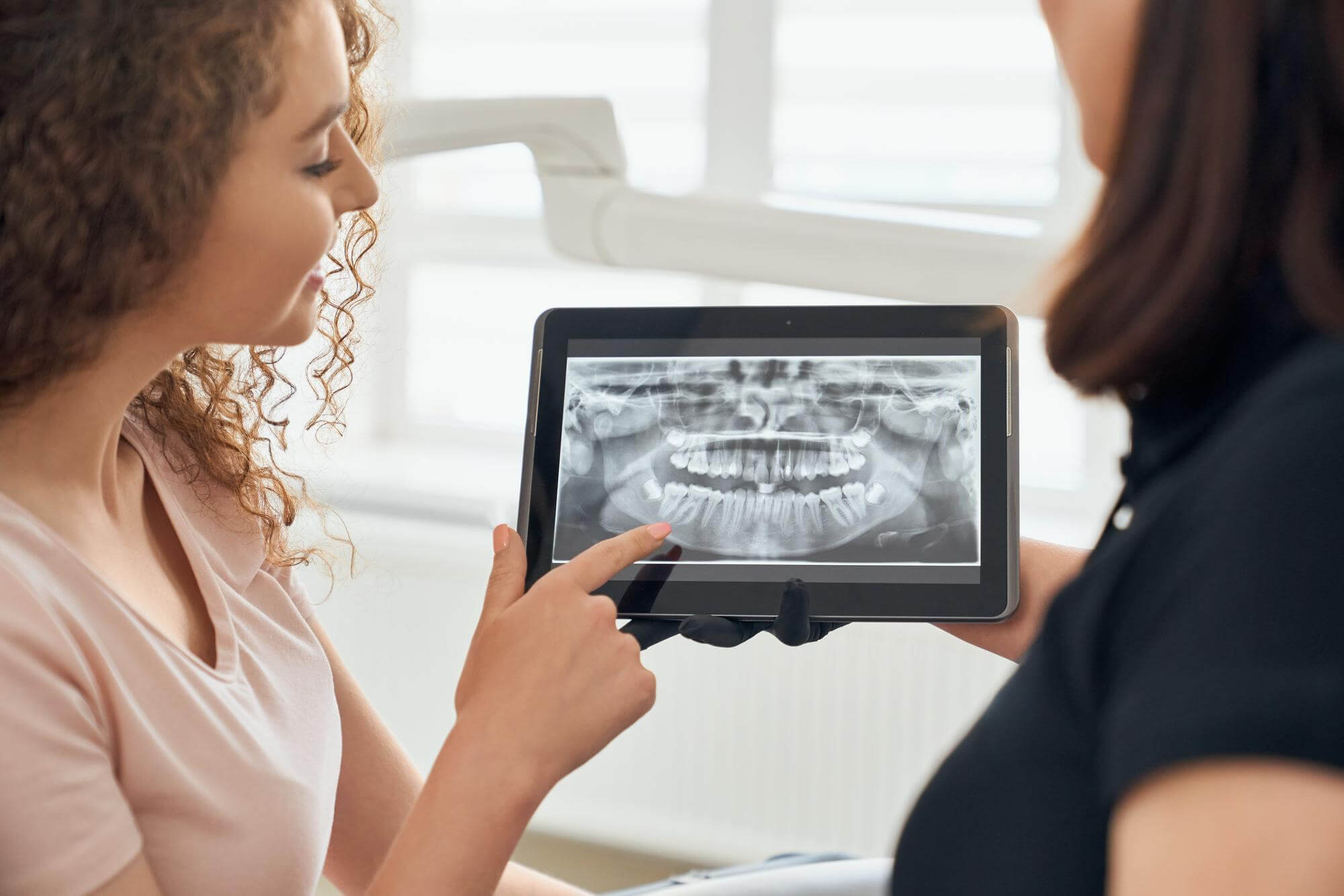
In orthodontics, CAD-CAM begins with capturing a precise 3D digital scan of the patient’s teeth. This scan is used to virtually plan tooth movements, design each aligner stage, and define the exact forces required for controlled, predictable results. Every aligner is digitally modeled before it is physically manufactured, ensuring consistency and precision across the entire treatment journey.
Digital workflows powered by CAD CAM technology replace manual steps with intelligent, data-driven processes. Orthodontists can visualize treatment outcomes in advance, make real-time adjustments, and approve aligner designs before fabrication begins. This not only improves clinical accuracy but also reduces errors, treatment delays, and the need for refinements.
Unlike traditional impression-based methods that rely on physical molds and manual adjustments, CAD-CAM systems eliminate common issues such as distortion, material shrinkage, and human error. Digital scans are faster, more comfortable for patients, and significantly more accurate than conventional impressions. The result is a more predictable treatment process, better-fitting aligners, and a smoother overall orthodontic experience.
The Digital Workflow Behind Clear Aligner Design
- 3D Scanning & Digital Impressions: Modern clear aligner treatment begins with high-precision intraoral scanners that capture detailed 3D images of a patient’s teeth. These digital impressions replace traditional physical molds, offering greater accuracy while significantly improving patient comfort. The result is a distortion-free foundation for precise aligner design.
- Virtual Treatment Planning: Using advanced software, orthodontists digitally map tooth movements from the initial position to the final smile. Each stage of movement is carefully planned and sequenced, allowing aligners to work progressively over time. This step-by-step staging improves predictability and treatment control.
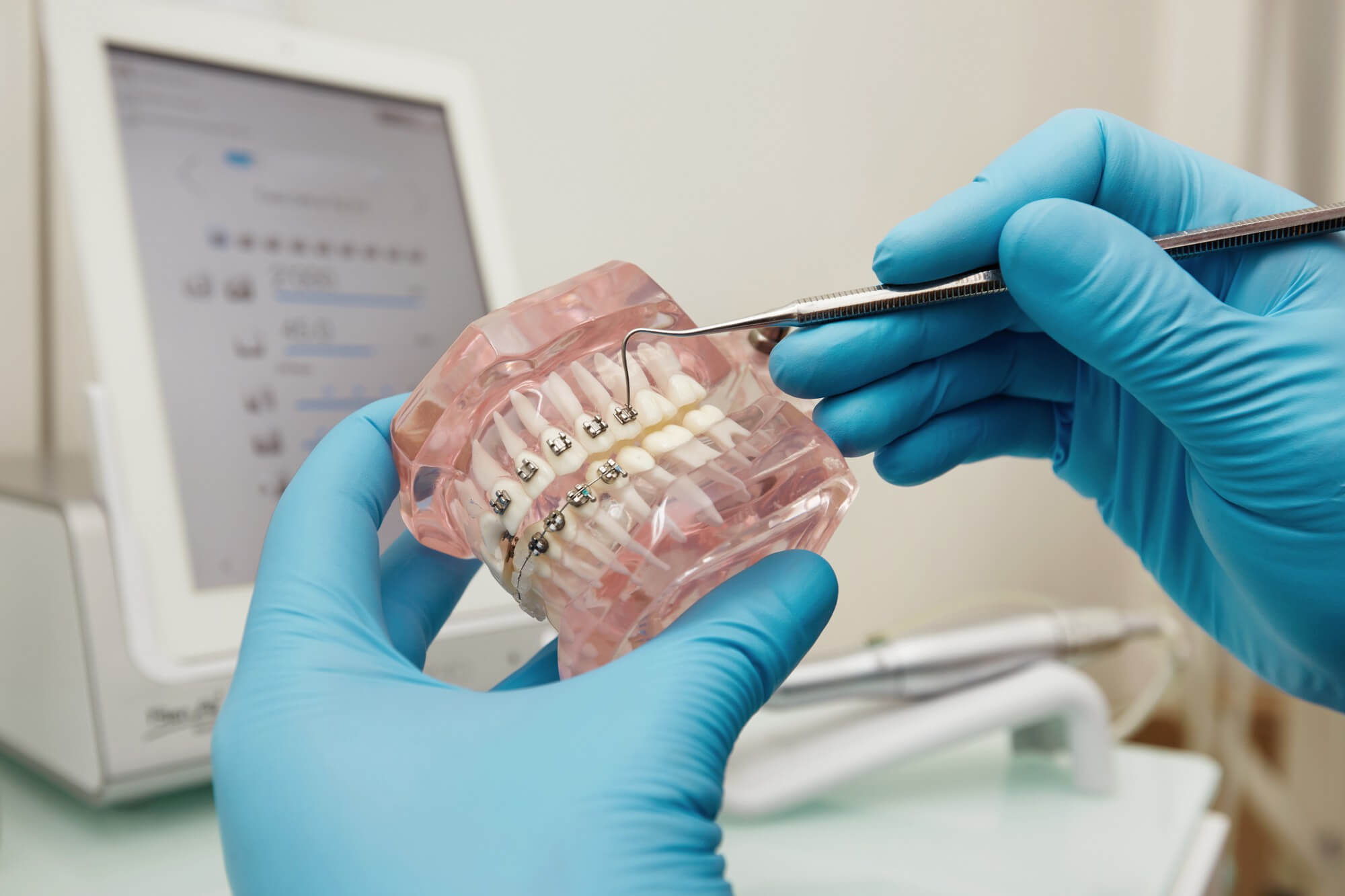
- CAD-Based Aligner Modeling: With CAD technology, aligners are custom-designed for every treatment phase. The software defines aligner geometry, thickness, and contact points to ensure precise force application on specific teeth. This level of customization supports controlled movement and better clinical outcomes.
- CAM Manufacturing & Fabrication: Once designs are finalized, CAM systems take over the manufacturing process. Automated thermoforming, trimming, and finishing ensure each aligner matches its digital design exactly. This automation delivers high consistency across aligner sets, reducing variability and enhancing treatment reliability.
Why CAD CAM Precision Matters in Aligner Design
Precision is the difference between an aligner that looks good on paper and one that delivers real, predictable results. CAD CAM technology brings a level of accuracy to aligner design that directly impacts treatment success.
With digitally planned tooth movements, orthodontists can predict how teeth will respond at every stage of treatment. Each aligner is designed to apply controlled, calculated forces, reducing unwanted movements and improving overall predictability.
High CAD CAM precision also minimizes errors and remakes. Because aligners are designed and validated digitally before manufacturing, issues related to poor fit, incorrect staging, or manual inconsistencies are significantly reduced. This saves time for both clinicians and patients while lowering treatment disruptions.
For patients, precision translates into a better fit and improved comfort. Digitally designed aligners sit more accurately on teeth, reducing pressure points and irritation. A well-fitted aligner is easier to wear consistently, which is critical for treatment effectiveness.
From a clinical standpoint, CAD CAM precision leads to greater treatment efficiency and improved outcomes. Fewer refinements, shorter treatment timelines, and more predictable results allow orthodontists to deliver high-quality care with confidence, while patients benefit from smoother, more reliable smile transformations.
Challenges & Limitations of CAD CAM Aligner Design
While CAD-CAM technology has significantly improved the precision and predictability of clear aligner treatment, it is not without its challenges. Understanding these limitations is essential for delivering consistent and clinically sound outcomes.
One of the primary dependencies of CAD CAM aligner design is scan accuracy. Digital workflows rely heavily on the quality of intraoral scans. Incomplete scans, patient movement, or poor capture of occlusal details can impact aligner fit and tooth movement planning, making high-quality scanning protocols critical.
Another consideration is the software learning curve. Advanced CAD CAM platforms require orthodontists and technicians to be well-trained in digital treatment planning tools. Without adequate expertise, there is a risk of suboptimal staging, force application, or design decisions that can affect treatment effectiveness.
Despite sophisticated automation, CAD CAM systems still require expert clinical validation. Digital simulations cannot fully replace clinical judgment. Orthodontists must carefully review and validate treatment plans to ensure biological feasibility, patient-specific considerations, and long-term stability.
Lastly, cost considerations can be a barrier for some practices. Investments in intraoral scanners, software licenses, and digital manufacturing infrastructure may be significant. However, when balanced against reduced remakes, improved efficiency, and better patient outcomes, many practices find that the long-term value outweighs the initial costs.
CAD CAM precision has redefined how clear aligners are designed, planned, and delivered. By replacing manual processes with accurate digital workflows, this technology enables predictable tooth movement, better-fitting aligners, and more efficient orthodontic treatment. From 3D scanning and virtual planning to precision manufacturing, every step is built around consistency and control.
While CAD CAM systems come with learning curves and technical requirements, their impact on treatment quality is undeniable when combined with expert clinical oversight. The result is a more reliable, comfortable, and personalized orthodontic experience for patients, and greater confidence and efficiency for orthodontists.
As clear aligner technology continues to evolve, CAD CAM precision will remain the foundation of modern orthodontics, shaping smarter, data-driven solutions that deliver better smiles with greater predictability.