

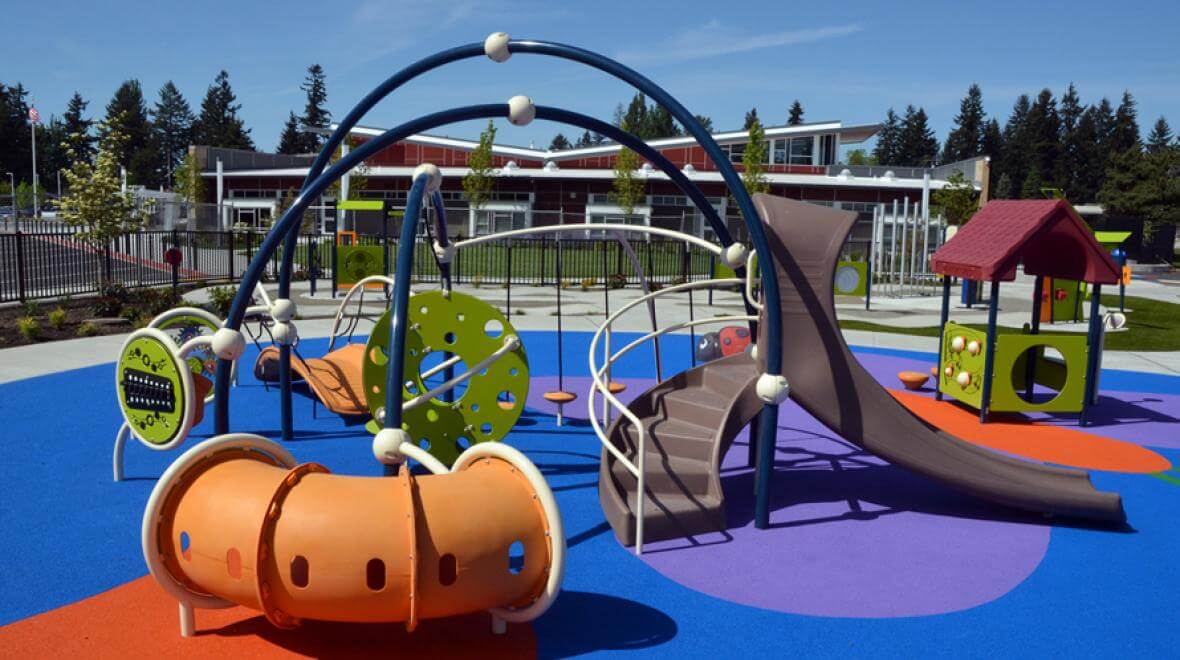
Outdoor play is an essential component of early childhood development. A thoughtfully planned playground design for early learning centres can provide children with a safe, stimulating, and educational environment that supports physical, cognitive, and social growth. Investing in a high-quality playground not only promotes healthy development but also enhances the overall reputation and functionality of early learning centres.
Why Playground Design for Early Learning Centres Matters
Children spend significant time at early learning centres, making the outdoor play area one of the most important spaces in their daily routine. A well-designed playground encourages exploration, creativity, and social interaction, while ensuring safety and accessibility.
Playground design for early learning centres is more than just installing swings and slides. It involves creating an environment that balances fun, learning, and safety. The layout, materials, and play equipment must support the developmental needs of children while fostering independence and confidence.
Key Benefits of a Well-Designed Playground
- Promotes Physical Development – Playgrounds encourage climbing, running, balancing, and other gross motor activities that enhance coordination, strength, and overall fitness.
- Supports Cognitive Growth – Features like sand pits, water play areas, and interactive structures stimulate problem-solving, creativity, and imaginative play.
- Encourages Social Interaction – Group activities and cooperative play on playgrounds help children learn sharing, negotiation, and teamwork skills.
- Enhances Emotional Wellbeing – Outdoor play reduces stress, boosts mood, and fosters resilience, creating a positive learning environment.
- Teaches Risk Assessment – Age-appropriate challenges allow children to test limits in a controlled, safe environment, building confidence and decision-making skills.
Essential Elements in Playground Design for Early Learning Centres
When designing a playground for early learning centres, careful consideration of equipment, materials, and layout is critical. Key elements include:
- Age-Appropriate Play Equipment: Equipment should be designed for the age group using the playground. For toddlers and preschoolers, low slides, small climbing structures, and gentle ramps reduce risk while still offering physical challenges. For older children, slightly more complex structures can encourage problem-solving and coordination.
- Safety Surfaces: Soft surfaces like rubber mulch, synthetic turf, or foam tiles protect children from injuries during falls. Safety surfacing is essential for complying with regulatory standards and giving caregivers peace of mind.
- Inclusive and Accessible Design: Playgrounds should accommodate children of all abilities. Wide pathways, ramps, tactile surfaces, and sensory play elements ensure that every child can participate in outdoor activities. Inclusive design promotes social integration and equal opportunities for play.
- Natural Elements: Incorporating natural features such as sand, water, rocks, and greenery enriches the play experience. Natural elements provide sensory stimulation, encourage curiosity, and teach children about the environment in a hands-on way.
- Shaded Areas: Sun protection is crucial for early learning centres. Trees, shade sails, or pergolas help protect children from UV exposure while allowing outdoor play throughout the day.
- Zones for Different Activities: Dividing the playground into zones, such as quiet areas, active play zones, and creative play spaces, helps manage group activities and supports a range of developmental needs.
Trends in Playground Design for Early Learning Centres
Modern playground design for early learning centres focuses on creativity, sustainability, and holistic development. Popular trends include:
- Nature-Inspired Playgrounds – Integrating logs, rocks, plants, and water features to encourage exploration and sensory experiences.
- STEM-Focused Play Areas – Incorporating interactive elements like water tables, building blocks, and sand structures that promote problem-solving and early STEM learning.
- Sensory Gardens and Play Spaces – Features like textured surfaces, fragrant plants, and water play areas engage multiple senses, supporting cognitive and emotional development.
- Adventure Playgrounds – Structures that challenge balance, coordination, and agility in a controlled, safe environment.
Choosing the Right Playground Designer
Creating an effective playground design for early learning centres requires expertise in child development, safety standards, and landscape architecture. Look for designers or companies who:
- Understand early childhood development needs and play-based learning principles.
- Can create age-appropriate, inclusive, and engaging designs.
- Use sustainable and safe materials.
- Offer turnkey solutions, including consultation, design, installation, and ongoing maintenance.
Working with a professional ensures that the playground is not only safe and durable but also stimulates learning, creativity, and social interaction.
Safety Considerations
Safety is a top priority in early learning centres. Key considerations include:
- Regularly inspect equipment for wear, sharp edges, or loose components.
- Ensure all materials are non-toxic and free from harmful chemicals.
- Maintain clear sightlines for staff supervision.
- Comply with national safety standards for playground equipment and surfacing.
Maintenance and Longevity
Proper maintenance extends the life of your playground and ensures continuous safety and engagement for children. Tasks include:
- Routine cleaning and sanitization of surfaces and equipment.
- Checking for wear and tear and repairing or replacing damaged components promptly.
- Seasonal inspections, especially for outdoor natural elements like sand or plants.
Conclusion
A well-planned playground design for early learning centres creates an environment where children can thrive physically, socially, and emotionally. By combining safety, creativity, natural elements, and age-appropriate play equipment, early learning centres can provide a space that encourages exploration, learning, and fun.
Investing in a thoughtfully designed playground not only supports children’s development but also enhances the reputation and functionality of the centre. From sensory gardens and adventure zones to inclusive and nature-inspired spaces, modern playgrounds are essential tools for fostering growth, curiosity, and lifelong learning.
Professional designers and careful planning ensure that your playground is safe, engaging, and sustainable, giving children the best environment to learn, play, and grow.