


Have you ever looked up at your roof and wondered what’s really going on up there? When was the last time you gave those tiles, sheets, or shingles a proper once-over? If you’re like most Australian homeowners, your roof probably doesn’t cross your mind until something goes wrong—and by then, you might be facing the need for costly roof repairs.
Your roof does an incredible job, day in and day out. It shields you from scorching summer heat, torrential storms, and everything in between. Yet it’s often the most neglected part of our homes. The truth is, a bit of regular attention and timely roof repairs can save you thousands of dollars and extend your roof’s lifespan by decades. Plus, catching small issues early means you won’t wake up to water dripping on your head during the next big downpour.
In this guide, we’ll walk you through everything you need to know about keeping your roof in top shape. From understanding the different roofing types common across Australia to spotting warning signs of damage, seasonal maintenance tips, and knowing when to carry out or schedule roof repairs, we’ve got you covered. Whether you’re a hands-on DIY enthusiast or prefer leaving things to the experts, you’ll find practical advice that actually works.
Understanding Your Roof: Types Common in Australian Homes
Metal and Colorbond Roofing
Metal roofing, particularly Colorbond, dominates the Australian landscape for good reason. It’s durable, fire-resistant, and handles our harsh climate brilliantly. These roofs typically last 40-70 years with proper care.
However, they’re not maintenance-free. Keep an eye out for rust spots, loose screws, and areas where the coating has worn away. A quick inspection twice a year can catch these issues before they become expensive headaches.
Terracotta and Concrete Tiles
Tile roofs are classic Australian favourites, offering excellent insulation and a lifespan of 50 years or more. Terracotta tiles are lighter and more resistant to salt air, making them ideal for coastal properties. Concrete tiles are heavier but often more affordable.
Both types can crack, chip, or slip out of position over time. Moss and lichen growth is another common concern, particularly in humid regions.
Asphalt Shingles and Flat Roofing Systems
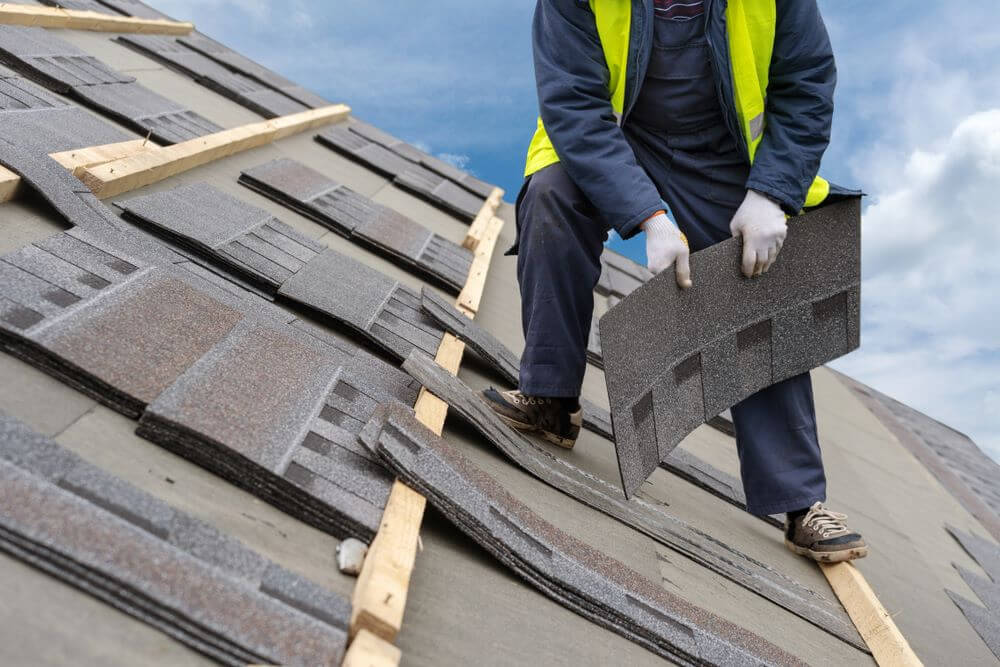
While less common in Australia, asphalt shingles appear in some newer developments. They’re budget-friendly but have a shorter lifespan of around 20-30 years. Flat roofing systems are popular for modern architectural designs and commercial properties, requiring specific drainage considerations and waterproofing maintenance.
Essential Roof Maintenance Tips for Every Season
What Maintenance Does a Roof Need?
Regular maintenance doesn’t need to be complicated. The basics include keeping your roof clear of debris, ensuring gutters flow freely, trimming overhanging branches, and scheduling professional inspections. These simple tasks prevent most common problems.
Spring and Summer Maintenance Checklist
Spring is perfect for a thorough clean-up after winter. Clear gutters and downpipes of leaves and debris. Check for any damage caused by winter storms and arrange repairs before the heat arrives.
During summer, focus on ventilation. A well-ventilated roof space reduces heat buildup and prevents moisture problems. This is also a good time to check for UV damage on coatings and sealants.
Winter Care and Moisture Prevention
Winter brings different challenges. Moisture is the main enemy, so ensure your roof has proper ventilation to prevent condensation. Check for leaks after rainy periods and make sure downpipes direct water well away from your foundations.
Common Roof Repairs and When to Tackle Them
Can a Damaged Roof Be Repaired?
In most cases, absolutely! Not every roof problem means you need a complete replacement. Many issues can be fixed cost-effectively if caught early enough. The key is acting quickly before minor damage becomes a major structural concern.
Replacing Broken or Cracked Tiles
Cracked tiles are one of the most common repairs. Individual tiles can usually be replaced without disturbing the surrounding area. Keep a few spare tiles that match your roof—they’ll come in handy for quick repairs.
Fixing Leaks and Flashing Issues
Leaks often occur around flashing—the metal strips that seal joints around chimneys, vents, and roof edges. These areas expand and contract with temperature changes, eventually causing gaps. Re-sealing or replacing flashing is a relatively straightforward repair for professionals.
Gutter Repairs and Cleaning
Blocked or damaged gutters cause more problems than many homeowners realise. Water overflow can damage fascia boards, cause foundation issues, and create damp problems inside your home. Clean gutters at least twice yearly, more often if you have overhanging trees.
How Often Should You Have Your Roof Inspected?
Professional Inspection Recommendations
Most roofing experts recommend professional inspections every two to three years. However, if your roof is older than 20 years, annual inspections are a smart investment. Always arrange an inspection after severe weather events like hailstorms or cyclones.
DIY Inspections Between Professional Visits
Between professional visits, conduct your own visual checks from ground level every few months. Use binoculars for a closer look without climbing onto the roof. Note any changes and address concerns promptly.
How Much Does Roof Repair Cost?
Factors Affecting Repair Costs
Repair costs vary significantly based on several factors. The type of roofing material, extent of damage, roof accessibility, and your location all play a role. Minor repairs might cost a few hundred dollars, while major work can run into thousands.
Budgeting for Unexpected Repairs
Setting aside a small amount each month for home maintenance makes unexpected repairs less stressful. As a general rule, budget around 1-2% of your home’s value annually for overall maintenance, with a portion allocated specifically for roofing needs.
Protecting Your Biggest Investment
Your roof truly is one of your home’s most critical components, yet it’s so easy to forget about until problems arise. The good news is that keeping it in excellent condition doesn’t require massive effort or expense—just consistent attention and timely action, including minor roof repairs when needed.
Throughout this guide, we’ve covered the essentials: understanding your roof type, recognising warning signs, maintaining it through every season, and knowing when DIY makes sense versus calling the professionals. The common thread? Regular care and prompt roof repairs prevent costly surprises. A few hours of inspection and maintenance each year can save you thousands in repairs down the track.
So here’s my challenge to you: schedule a roof inspection this month. Whether you do a thorough ground-level check yourself or book a professional assessment, taking that first step can help you stay ahead of major roof repairs. Your roof works hard protecting everything beneath it—your family, your belongings, your investment. It deserves a bit of attention in return. Trust me, your future self (and your wallet) will thank you for it.