

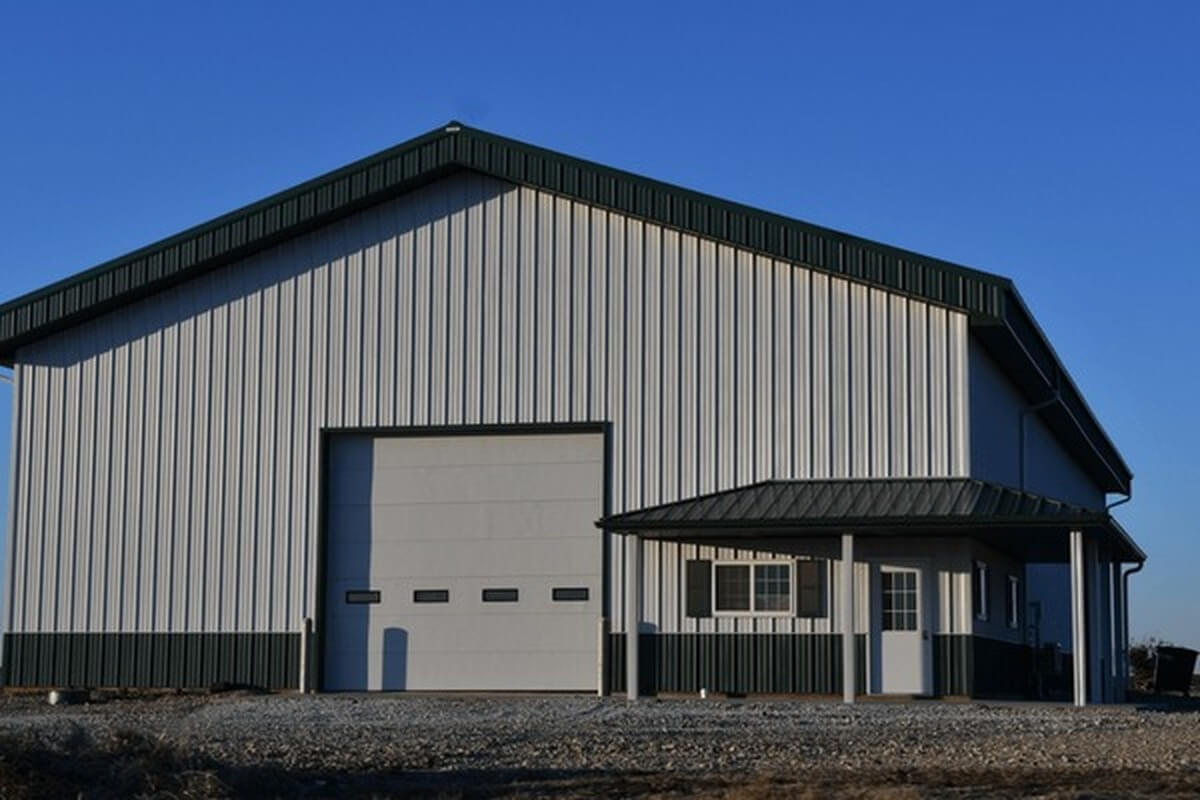
Ever found yourself tripping over tools in the garage? Perhaps you’ve been dreaming of a dedicated workspace but can’t figure out where to put it? Or maybe you’re simply running out of room to store all the gear that comes with Australian outdoor living?
You’re certainly not alone. Across Australia, homeowners and hobbyists are discovering that a large storage shed isn’t just a practical addition—it’s a genuine game-changer. But here’s the thing: not all rural sheds are created equal. The real magic happens when you customise your shed to fit your specific needs, lifestyle, and property.
In this guide, we’ll walk you through everything you need to know about tailoring a rural sheds to work perfectly for you. From choosing the right dimensions and materials to understanding council regulations and maximising your budget, we’ve got you covered. Whether you’re after a workshop, vehicle storage, or a multi-purpose space, you’ll find practical advice to help you make informed decisions. Let’s get stuck into it.
What Size Shed Do I Need? Choosing the Right Dimensions
Calculating Your Storage Requirements
Before you get excited about features and finishes, you need to nail down the basics—starting with size. Think about what you’re planning to store. Will it be garden equipment, vehicles, tools, or a combination of everything?
A handy trick is to measure your largest items first. If you’re storing a boat or caravan, you’ll need clearance for both length and height. Don’t forget to factor in workspace if you’re planning to use your shed for projects. It’s always wise to go slightly larger than you think you’ll need—trust me, you’ll fill the space faster than expected.
Popular Rural Sheds Sizes in Australia
In Australia, popular large shed sizes typically range from 6×6 metres right up to 12×9 metres or beyond. A 6×9 metre shed works brilliantly for most families needing combined storage and workspace. For those with multiple vehicles or serious workshop ambitions, sizes upwards of 9×12 metres provide ample room.
Consider your block size too. You’ll need to leave adequate setbacks from boundaries, which we’ll cover later. The key is balancing your needs with available space and budget.
Essential Features to Consider When Customising Your Shed
Roofing Styles and Materials
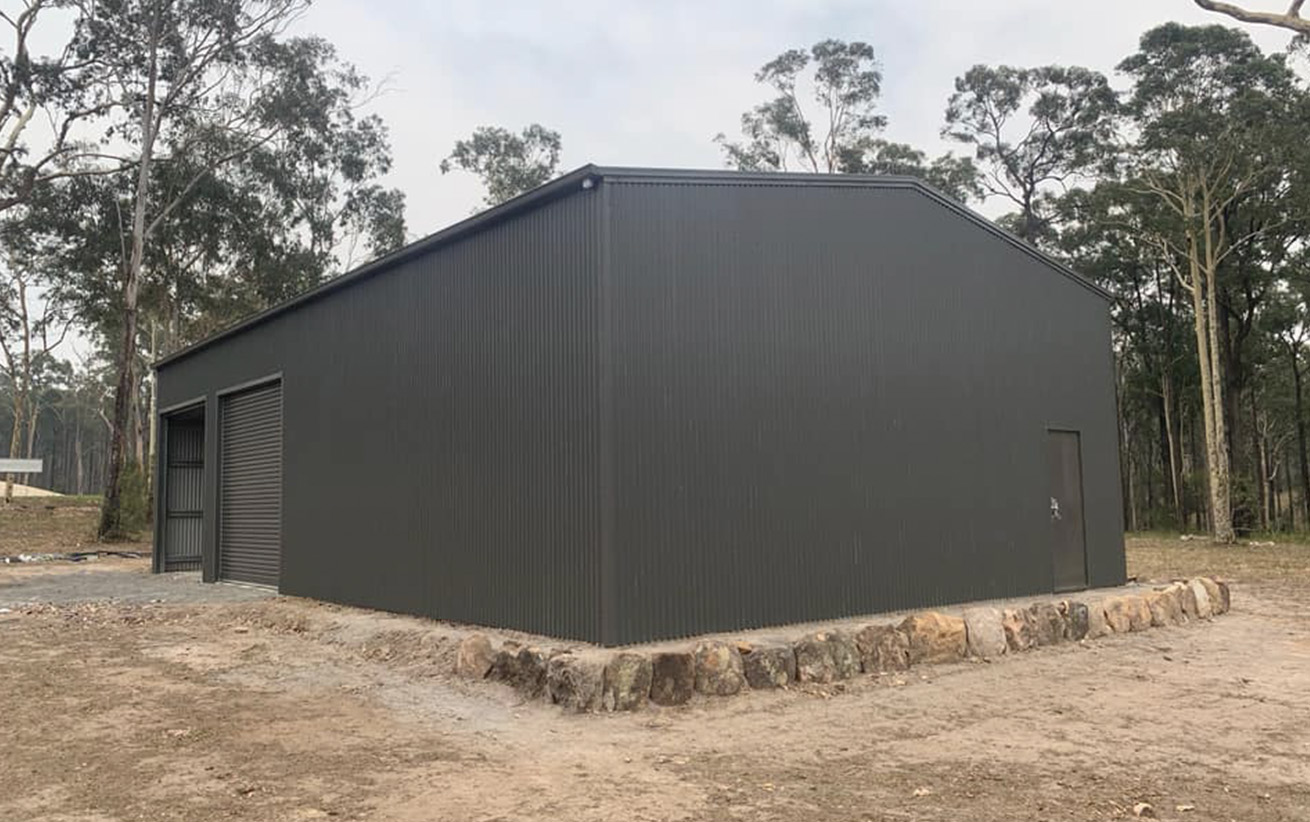
Your roof choice affects both aesthetics and functionality. Gable roofs offer excellent ventilation and headroom, making them ideal for workshops. Skillion roofs provide a modern look and direct water runoff efficiently. Flat roofs work well for carports or covered extensions.
Colorbond steel remains the go-to material for Australian conditions, offering durability and a wide colour range to match your property.
Door Options: Roller Doors, Sliding Doors, and PA Doors
Doors might seem straightforward, but they’re crucial for usability. Roller doors are perfect for vehicle access, allowing maximum clearance and easy operation. Sliding doors work well for wider openings where height isn’t critical.
Don’t overlook personal access (PA) doors. Having a separate entry point means you won’t need to open the main door every time you pop in for a screwdriver. Consider placement carefully—you’ll want convenient access from your house or driveway.
Window Placement and Ventilation
Natural light transforms a shed from a dark box into a pleasant workspace. Position windows to maximise light without creating glare on work surfaces. Louvre windows or vents near the roofline help with airflow, keeping your shed comfortable during those scorching summer months.
Flooring Solutions for Different Uses
Concrete flooring is the gold standard for rural sheds Melbourne, providing durability and a level surface for workbenches and vehicles. For workshops, consider epoxy coatings that resist oil stains and are easier to clean. If you’re on a tighter budget, compacted gravel works for basic storage needs.
Can You Customise a Shed for Multiple Purposes?
Absolutely! In fact, multi-purpose rural sheds are increasingly popular among Australian homeowners looking to maximise value.
Workshop and Tool Storage Combinations
Designate specific zones within your shed. Keep frequently used tools accessible near your workbench, while seasonal items can go on higher shelving. Pegboards and wall-mounted systems help keep workspaces tidy whilst ensuring everything has its place.
Vehicle Storage with Additional Workspace
Many Aussies combine car or boat storage with a dedicated workshop area. The key is planning doorway positions and ensuring adequate space around vehicles for comfortable movement. A partition wall can separate dusty workshop activities from clean vehicle storage.
Home Business and Hobby Spaces
From pottery studios to small manufacturing operations, rural sheds make excellent home business premises. Think about power requirements, lighting, and climate control. A well-designed shed can provide professional-grade workspace without the overhead of commercial rent.
What Materials Are Best for Rural Sheds?
Colorbond Steel: The Australian Standard
Colorbond steel dominates the Australian shed market for good reason. It’s designed specifically for our harsh climate, resisting corrosion, termites, and fire. Plus, the extensive colour palette means your shed can complement your home perfectly.
Timber vs Metal: Pros and Cons
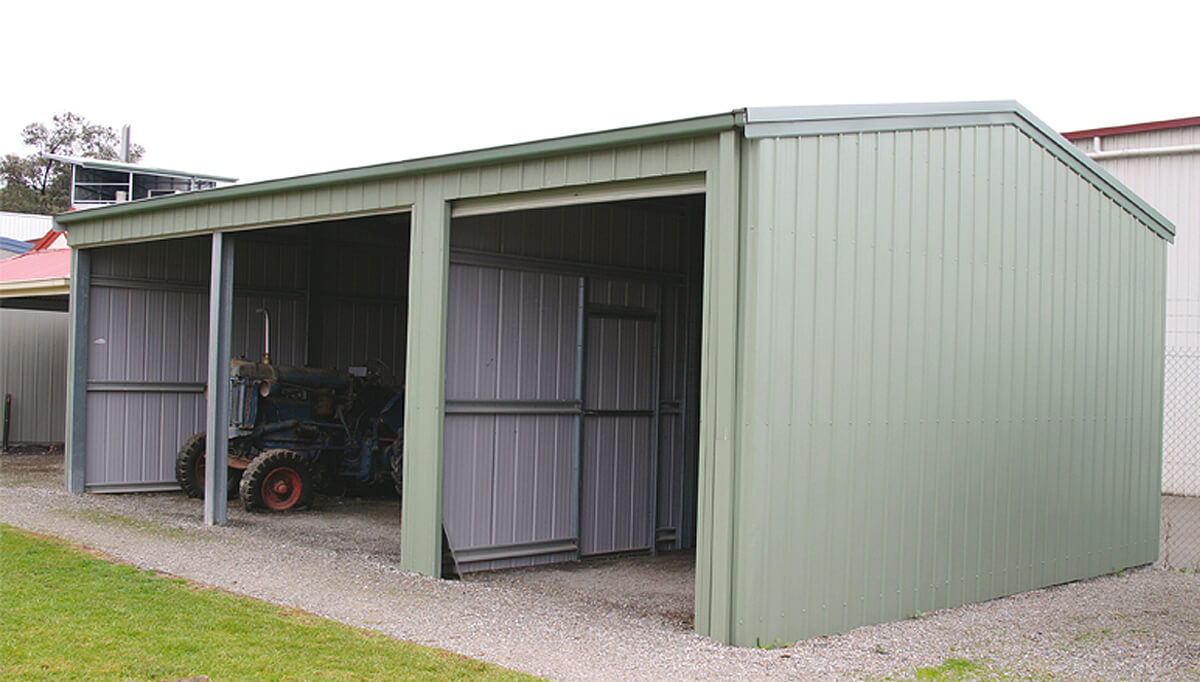
Timber rural sheds offer a traditional aesthetic that many find appealing. They’re excellent insulators and can be easily modified. However, they require ongoing maintenance and are susceptible to termites and rot.
Metal sheds, particularly Colorbond, require minimal maintenance and last decades. They’re quicker to install and generally more cost-effective for rural sheds Melbourne.
Insulation Options for Climate Control
If you’re planning to spend significant time in your shed, insulation is a worthwhile investment. Blanket insulation reduces heat transfer, making summer work bearable and winter mornings less bitter. Insulated panels offer superior performance and a cleaner interior finish.
How Do I Make My Shed More Secure?
Lock Systems and Reinforced Entry Points
Start with quality locks on all entry points. Deadbolts on PA doors and heavy-duty padlocks on roller doors deter opportunistic thieves. Reinforced door frames and hinges add another layer of protection.
Security Lighting and Alarm Integration
Motion-activated lighting around your shed discourages unwanted visitors. For valuable contents, consider integrating your shed into your home security system. Wireless sensors and cameras have become remarkably affordable and effective.
Anchoring and Structural Integrity
Beyond security, proper anchoring protects against extreme weather. Engineering certification ensures your shed can withstand local wind conditions. This isn’t just about compliance—it’s about protecting your investment.
Interior Organisation and Shelving Solutions
Wall-Mounted Storage Systems
Free up floor space by utilising walls effectively. Pegboard systems, slatwall panels, and magnetic strips keep tools organised and accessible. Heavy-duty brackets can support substantial loads when properly installed.
Workbench and Bench Space Design
A sturdy workbench is the heart of any workshop. Build or buy one that’s the right height for comfortable work—typically around 900mm. Include power points at bench level and consider built-in storage underneath.
Maximising Vertical Space
Height is often underutilised in sheds. Install overhead storage for seasonal items, and use tall shelving units for boxes and containers. Just make sure everything is safely accessible—a good step ladder is essential.
Do I Need Council Approval for a Rural Sheds in Australia?
Understanding Local Regulations
Regulations vary between councils and states, so checking local requirements is non-negotiable. Generally, rural sheds under 10 square metres may be exempt from approval, but rural sheds structures typically require permits.
Setback Requirements and Property Boundaries
Most councils require rural sheds to be set back from property boundaries—commonly 900mm to 1.5 metres. Height restrictions often apply, particularly near fences. Fire regulations may also dictate materials and positioning.
Working with Certified Suppliers
Reputable shed suppliers understand local requirements and can guide you through the approval process. Many offer engineering certification and documentation that councils require. This expertise saves time and prevents costly mistakes.
Budgeting for Your Rural Sheds Shed
Base Costs vs Add-On Features
Start with a realistic budget and prioritise features accordingly. The shed itself, concrete slab, and basic doors form your base. Extras like insulation, electrical fit-out, and internal shelving add up quickly.
Where to Save and Where to Invest
Invest in quality structural components—roofing, framing, and doors. These affect longevity and daily usability. You can save on cosmetic finishes and add internal fit-outs gradually as budget allows.
Financing Options Available
Many suppliers offer payment plans or can recommend finance providers. Some homeowners tap into home equity or personal loans for rural sheds projects. Whatever route you choose, factor finance costs into your overall budget.
Building a Shed That Works for You
So there you have it—a complete roadmap to customising a rural sheds shed that genuinely meets your needs. From calculating the right size and selecting durable materials to organising the interior and navigating council requirements, every decision contributes to the final result.
The beauty of customisation lies in creating something uniquely suited to your lifestyle. Whether you’re a weekend warrior needing workshop space, a car enthusiast wanting secure vehicle storage, or a home business owner seeking professional premises, the right shed makes all the difference.
Take your time planning, get multiple quotes, and don’t be afraid to ask suppliers plenty of questions. A well-designed shed isn’t just storage—it’s an investment in your property and quality of life. Now’s the perfect time to start turning your shed dreams into reality.