
When summer temperatures rise, cooling systems work harder to maintain comfortable indoor conditions. During long periods of heat, air conditioning units often run for extended hours each day, placing significant strain on internal components. Without proper maintenance, this increased workload can gradually reduce system efficiency and increase energy consumption.
Many homeowners only notice HVAC problems once cooling performance begins to decline. Weak airflow, uneven temperatures, unusual noises, or rising electricity bills are often signs that the system is struggling to operate efficiently. Unfortunately, ignoring these early warning signs can lead to larger repairs and unexpected breakdowns during the hottest part of the season.
Many homeowners schedule regular HVAC maintenance before summer begins to improve cooling efficiency, reduce energy waste, and prevent unexpected system breakdowns during periods of extreme heat.
Preventive servicing plays an important role in helping cooling systems operate more effectively throughout summer. Regular tune-ups improve airflow, support energy efficiency, and help homeowners maintain more reliable indoor comfort when temperatures remain consistently high.
Why Cooling Systems Lose Efficiency Over Time
Cooling systems naturally experience wear as they age. Daily operation, dust accumulation, outdoor exposure, and fluctuating temperatures all affect long-term performance.
One of the most common causes of reduced efficiency is restricted airflow. Dirty filters, blocked vents, and dust-covered coils force the system to work harder to circulate cool air throughout the home.
Outdoor condenser units can also collect dirt, leaves, and debris over time. When airflow around the unit becomes restricted, heat transfer efficiency declines, making it harder for the system to cool indoor spaces effectively.
Several common factors often reduce HVAC efficiency over time:
- Dirty or clogged air filters
- Dust buildup on condenser coils
- Restricted airflow through vents or ducts
- Ageing electrical components
- Poor thermostat calibration
- Increased system strain during heatwaves
Without regular servicing, these issues gradually affect both cooling performance and energy consumption.
How Summer Heat Affects HVAC Performance
Extreme temperatures place additional pressure on cooling systems. During summer, air conditioners frequently operate for longer periods without extended breaks between cycles.
Longer operating hours increase wear on motors, fans, compressors, and electrical components. Systems that already have airflow restrictions or maintenance issues often struggle even more during peak heat. This increased strain can shorten equipment lifespan while raising household energy costs significantly.
The Benefits of Regular HVAC Tune-Ups
Routine HVAC tune-ups provide several important benefits beyond simple system cleaning. Preventive servicing helps maintain cooling efficiency while reducing the likelihood of unexpected failures.
One major advantage is improved energy performance. Clean filters, properly calibrated thermostats, and unrestricted airflow allow cooling systems to operate more efficiently.
Consistent maintenance also improves indoor comfort. Systems that receive regular servicing generally cool rooms more evenly and maintain stable indoor temperatures throughout the day.
Additional benefits of routine tune-ups include:
- Lower monthly electricity costs
- Reduced strain on mechanical components
- Improved cooling performance during heatwaves
- Fewer emergency repair situations
- Better long-term system reliability
- Extended equipment lifespan
Preventative maintenance often costs far less than major emergency repairs caused by neglected systems.
Common Signs Your Cooling System Needs Attention
Cooling systems usually provide several warning signs before performance declines significantly. Recognising these symptoms early can help homeowners avoid larger problems later. Weak airflow is one of the most noticeable indicators. Reduced airflow often points to clogged filters, blower issues, or blocked ductwork.
Warm air coming from vents may signal refrigerant problems, dirty coils, or thermostat malfunctions. Homeowners should also pay attention to unusual sounds such as rattling, buzzing, grinding, or squealing noises. These sounds frequently indicate loose or worn internal components.
Several common warning signs may indicate that maintenance is needed:
- Uneven cooling throughout the home
- Frequent system cycling
- Increased humidity indoors
- Rising energy bills
- Unusual noises or odours
- Delayed cooling response
Addressing these issues early often improves efficiency while reducing long-term repair costs.
Important Maintenance Tasks That Improve Efficiency
Several maintenance tasks directly support cooling efficiency during summer months. Some can be handled by homeowners, while others require professional servicing. Replacing air filters regularly remains one of the most important steps. Dirty filters restrict airflow and force cooling systems to work harder than necessary.
Cleaning condenser coils also improves efficiency. Outdoor units rely on proper airflow to release heat effectively, and debris accumulation can interfere with this process. Thermostat settings should also be checked periodically. Incorrect calibration may cause systems to run longer than needed or cool unevenly.
Homeowners can support system performance by following a few simple habits:
- Keep outdoor condenser units free from debris
- Ensure vents remain open and unobstructed
- Reduce indoor heat from appliances when possible
- Use ceiling fans to improve air circulation
- Check filters monthly during heavy summer use
These small actions often contribute to better cooling performance and lower energy usage.
How HVAC Maintenance Improves Indoor Air Quality
Cooling systems affect more than temperature control. They also influence indoor air quality throughout the home.
Dust, allergens, pet dander, and airborne particles can accumulate inside filters and ductwork over time. Without proper maintenance, these contaminants may circulate continuously whenever the system operates.
Clean filters and properly maintained airflow systems help reduce indoor dust levels while supporting cleaner air circulation.
Several maintenance habits support healthier indoor environments:
- Replacing clogged air filters regularly
- Cleaning vents and surrounding areas
- Monitoring indoor humidity levels
- Scheduling periodic professional inspections
- Maintaining proper airflow throughout the home
Cleaner systems generally create fresher and more comfortable indoor conditions.
Why Professional Inspections Matter Before Peak Summer Heat
Professional HVAC inspections provide a more detailed assessment of system performance than routine homeowner maintenance alone.
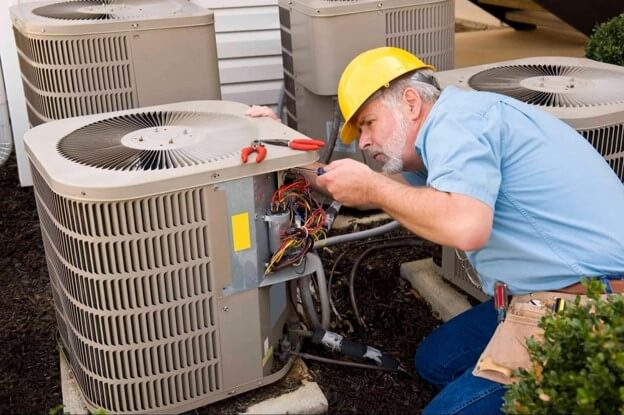
Technicians inspect electrical components, airflow systems, refrigerant levels, thermostat operation, and mechanical performance. These inspections help identify developing issues that may not yet be visible during normal operation.
Professional tune-ups also improve system reliability during periods of extreme heat when cooling systems experience the greatest demand.
A typical professional inspection may include:
- Testing electrical connections
- Checking refrigerant performance
- Cleaning condenser components
- Inspecting fan motors and belts
- Evaluating thermostat calibration
- Measuring airflow efficiency
These inspections help cooling systems perform more reliably while supporting long-term efficiency.
Conclusion
Cooling systems work especially hard during summer, making regular maintenance one of the most effective ways to improve efficiency and reliability. Small issues such as dirty filters, restricted airflow, or worn components can gradually reduce performance while increasing energy costs.
Routine tune-ups help cooling systems operate more effectively, improve indoor comfort, and reduce the likelihood of unexpected breakdowns during peak temperatures.
By combining preventative maintenance, professional inspections, and simple homeowner care habits, households can enjoy better cooling performance, healthier indoor air, and lower energy costs throughout the summer season.