

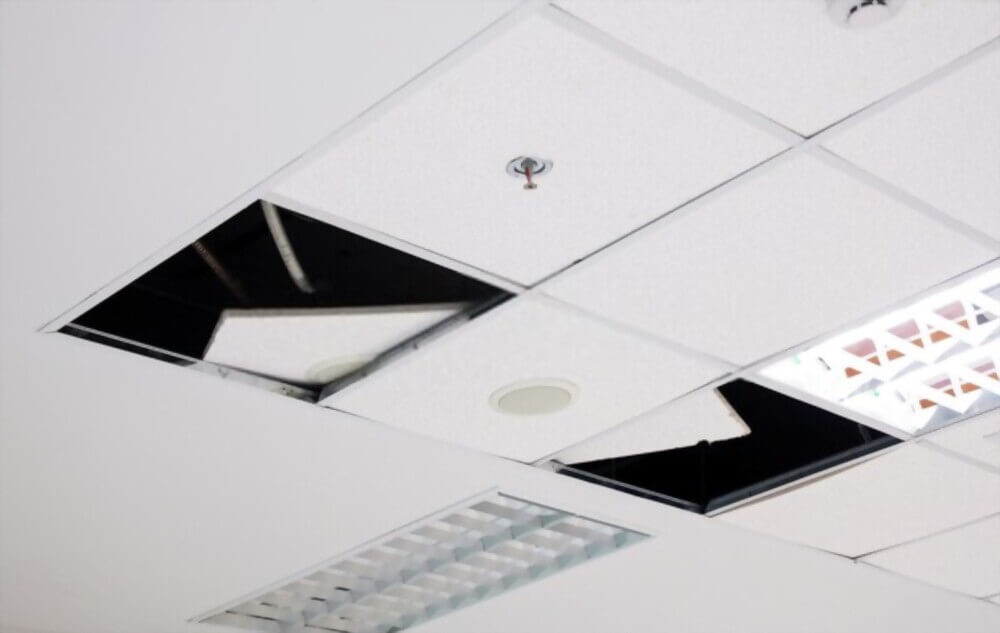
Ceiling panels Melbourne property owners choose today do far more than cover bare joists. Modern ceiling panels hide wiring, improve acoustics and give any room a clean, finished look. Whether you are renovating a Hawthorn terrace or fitting out a Docklands office, ceiling panels Melbourne builders recommend can lift comfort, style and resale value. This guide covers the main types, benefits and buying tips so you can choose with confidence.
Why Ceiling Panels Suit Melbourne Buildings
Melbourne’s weather swings from hot summers to cold, damp winters, and buildings feel every shift. Quality ceiling panels help by supporting insulation and reducing drafts. Many Victorian and Edwardian homes have tired, cracked plaster, and ceiling panels offer a faster fix than a full replaster. Commercial sites also rely on ceiling panels Melbourne wide, because suspended grids give easy access to lighting, ducts and data cabling.
Common Types of Ceiling Panels
Choosing the right material matters as much as choosing the right installer. Here are the options you will see most often:
- Plasterboard: smooth and paint-ready, these ceiling panels suit bedrooms and living areas.
- Mineral fibre: popular ceiling panels Melbourne offices use for sound absorption and fire performance.
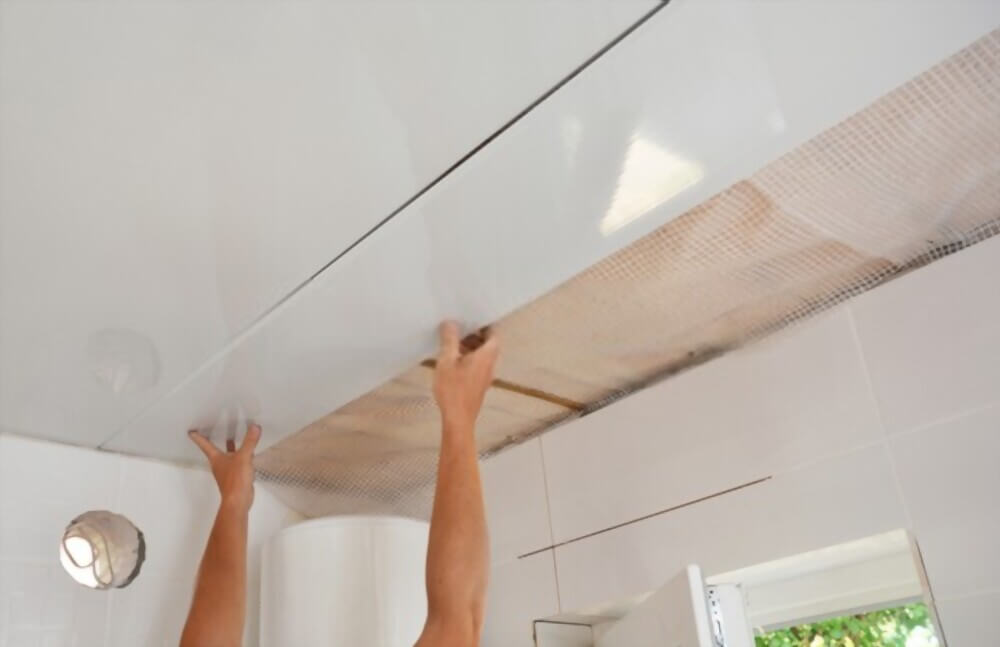
- PVC: moisture-resistant ceiling panels are ideal for bathrooms, laundries and kitchens.
- Metal: aluminium ceiling panels handle heavy use in retail, hospitality and transport spaces.
- Acoustic timber-look: these ceiling panels add warmth while controlling echo in open-plan rooms.
Key Benefits of Installing Ceiling Panels
Better acoustics. Hard surfaces bounce noise around. Acoustic ceiling panels absorb it, which helps in cafés, classrooms and home theatres.
Improved energy efficiency. When paired with insulation, ceiling panels can reduce heating and cooling loads, which matters during a Melbourne winter.
Easy maintenance. Most ceiling panels can be wiped clean or replaced individually, so one stain does not mean redoing the whole ceiling.
Fire and safety ratings. Certain ceiling panels are tested for fire resistance, an important point for commercial compliance.
Design flexibility. From flat white finishes to textured and perforated looks, ceiling panels Melbourne designers specify can match almost any interior.
How to Choose the Right Ceiling Panels
Start with the room’s purpose. A damp bathroom needs different ceiling panels than a quiet study. Next, check the ceiling height. Low ceilings suit slim, direct-fix ceiling panels, while taller rooms can handle suspended systems with deeper cavities. Consider these points before you buy:
- Moisture exposure and ventilation
- Acoustic rating (NRC) for noisy spaces
- Fire rating required by the National Construction Code
- Weight and the strength of your existing structure
- Finish, colour and how it works with your lighting
Ask suppliers for samples. Holding ceiling panels under your own lighting reveals colour and texture far better than a catalogue photo. Also confirm warranty terms, and check that the ceiling panels Melbourne suppliers stock can be matched later if you need repairs.
Installation Tips for Ceiling Panels
Good installation protects your investment. For suspended systems, installers set a level grid, then drop the ceiling panels into place. For direct-fix options, panels are fastened to battens or joists and the joins are finished neatly. Always plan for downlights, smoke alarms and air vents before cutting any ceiling panels. In older homes, a licensed professional should check for asbestos before disturbing existing ceilings, a genuine concern in many pre-1990 properties. Hiring a team that installs ceiling panels Melbourne wide every week reduces mistakes and delays.
Cost Factors to Consider
Prices vary with material, room size and access. Basic plasterboard ceiling panels are generally the most affordable, while specialty acoustic or metal ceiling panels cost more but can deliver stronger performance. Labour, ceiling height and removal of the old ceiling also affect the final quote. Request itemised quotes from at least three providers so you can compare ceiling panels Melbourne suppliers offer on equal terms.
Caring for Your Ceiling Panels
Regular care keeps ceiling panels looking new. Dust them with a soft brush, wipe PVC ceiling panels with mild detergent, and fix leaks quickly, because moisture damages most materials. Inspect annually for sagging, stains or loose fixings, especially after heavy rain.
Design Trends to Watch
Designers are moving towards natural textures, concealed lighting and sustainable materials. Recycled-content ceiling panels and low-VOC finishes are gaining attention as clients seek healthier interiors. Linear timber-look ceiling panels and baffled acoustic designs are popular in hospitality and co-working spaces across Melbourne, giving rooms character without heavy renovation.
Final Thoughts
The right ceiling panels can transform how a space looks, sounds and performs. By understanding materials, ratings, installation needs and costs, you can invest wisely and avoid expensive rework. Take time to compare options, request samples and work with qualified professionals. With good planning, the ceiling panels Melbourne homeowners and businesses install today will stay attractive and functional for many years.