
Are you on the hunt for a forklift that’ll transform your warehouse operations? Perhaps you’re wondering whether to go electric or stick with diesel? Or maybe you’re trying to figure out if a used forklift could save you thousands without compromising on performance?
Choosing the right forklift isn’t just about picking the shiniest machine in the showroom. It’s a decision that affects your team’s productivity, your bottom line, and the safety of everyone on site. Get it wrong, and you could end up with equipment that can’t handle your loads, guzzles fuel, or simply doesn’t fit through your warehouse aisles.
Understanding Your Industrial Forklift Requirements
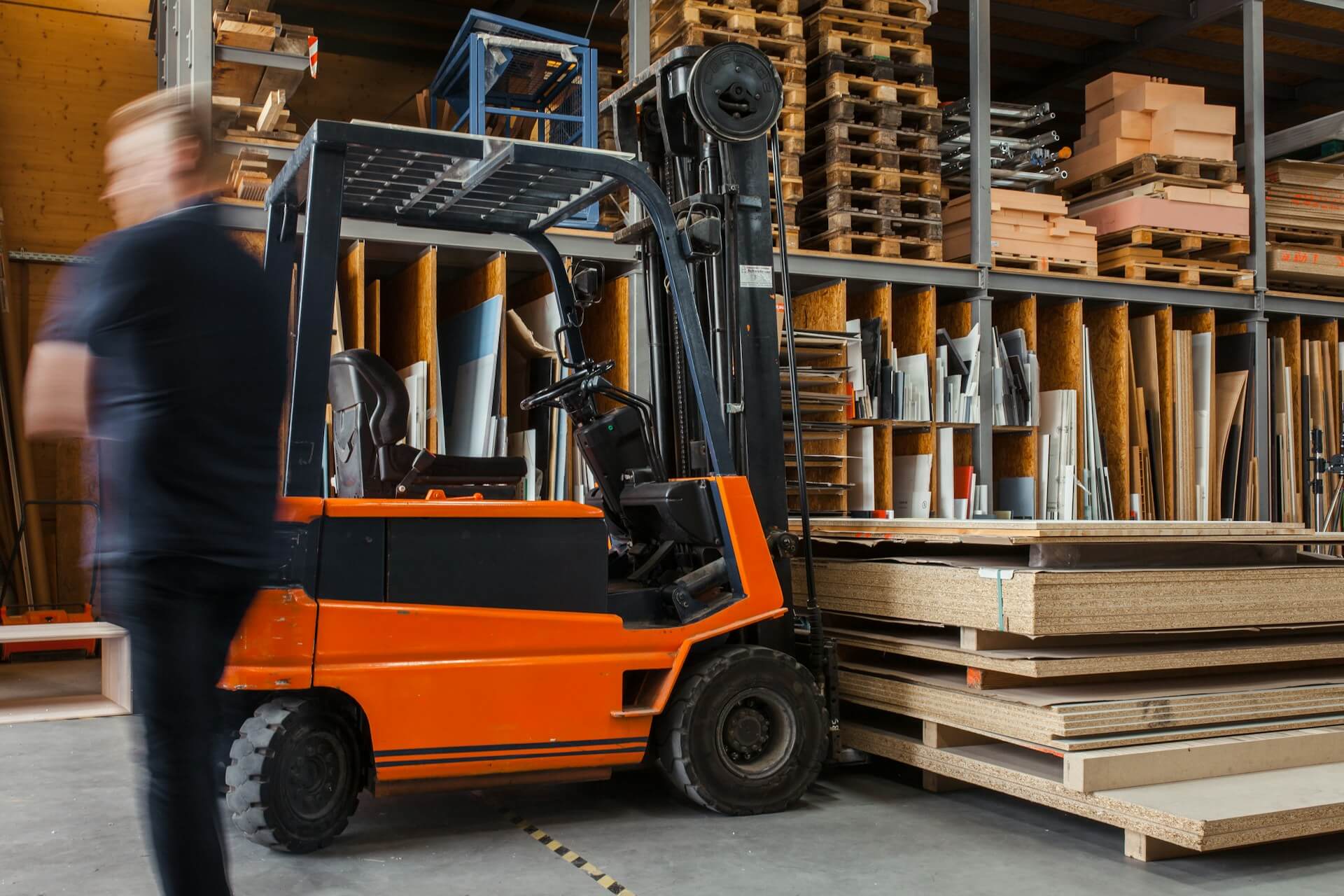
Before you start browsing forklifts for sale, take a step back and assess what you actually need. Every warehouse and worksite is different, and the forklift that works brilliantly for your competitor might be completely wrong for your operation.
Assessing Your Warehouse and Worksite Needs
Start by examining your workspace. Measure your aisle widths, doorway heights, and floor surfaces. A forklift that’s too wide won’t navigate narrow racking systems effectively. Plus, consider your typical daily operations—how many hours will the forklift run? What’s the workflow like?
Load Capacity and Lift Height
Think carefully about the weight you’ll be lifting. Forklifts are rated for maximum load capacity, but remember this decreases as lift height increases. If you’re regularly handling pallets weighing 2,000 kg, don’t opt for a machine rated at exactly that—give yourself some buffer room.
Lift height matters too. Single-storey warehouses have different requirements than facilities with high racking systems. Make sure your forklift can reach your highest shelf with room to spare.
Types of Forklifts for Sale: Which One Is Right for You?
The forklift market offers an array of options, each designed for specific applications. Understanding the differences helps you narrow down your choices quickly.
Counterbalance Forklifts
These are the workhorses you’ll spot in most warehouses. With forks at the front and a heavy counterweight at the rear, they’re versatile and straightforward to operate. They’re ideal for loading trucks, moving pallets, and general warehouse duties.
Reach Trucks and Order Pickers
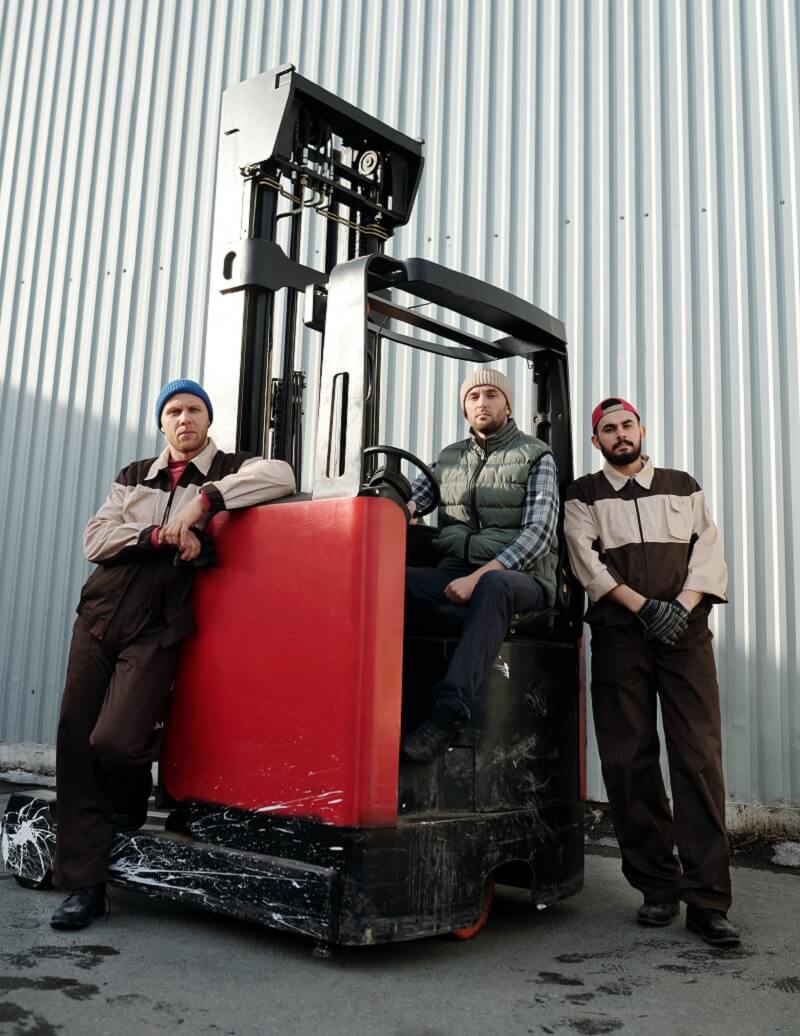
Reach trucks excel in narrow aisle warehouses. Their extendable forks reach into racking without the truck needing to turn, maximising your storage space. Order pickers, on the other hand, lift the operator to pick items directly from shelves—perfect for distribution centres handling individual products.
Electric vs Diesel vs LPG Forklifts: What’s the Difference?
Choosing your power source is one of the biggest decisions you’ll make. Each option has distinct advantages depending on your operational needs.
Electric Forklifts: Clean and Quiet
Electric forklifts produce zero emissions, making them perfect for indoor use and food handling environments. They’re quieter, require less maintenance, and have lower running costs over time. The downside? Higher upfront costs and the need for charging infrastructure. Battery charging also means potential downtime unless you invest in spare batteries.
Diesel Forklifts: Power When You Need It
For heavy-duty outdoor work, diesel forklifts deliver unmatched power and runtime. They handle steep gradients and rough surfaces with ease. However, they’re noisy, produce emissions, and aren’t suitable for enclosed spaces. Fuel costs and maintenance requirements are also higher than electric alternatives.
New vs Used Forklifts: Which Should You Buy?
Budget plays a significant role in this decision, but it’s not the only factor to consider.
Benefits of Buying New
A brand-new forklift comes with the latest technology, full warranty coverage, and peace of mind. You’ll get modern safety features, better fuel efficiency, and reliable after-sales support. For businesses planning to use equipment intensively for many years, buying new often makes financial sense.
Advantages of Second-Hand Forklifts
Used forklifts can save you 40-60% compared to new models. For businesses with lighter usage requirements or tight budgets, this is incredibly appealing. Many pre-owned machines have plenty of working life left, especially if they’ve been well-maintained.
How Much Does a Forklift Cost in Australia?
Forklift prices vary enormously depending on type, capacity, power source, and condition.
Factors That Influence Prices
A basic new counterbalance forklift might start around $25,000, while heavy-duty models can exceed $100,000. Used forklifts typically range from $8,000 to $40,000 depending on age and condition. Electric models generally cost more upfront than their diesel or LPG equivalents.
Budgeting for Ongoing Costs
Don’t forget to factor in maintenance, fuel or electricity, operator training, and insurance. Electric forklifts have lower running costs but may require battery replacements. Diesel and LPG models need regular servicing and fuel expenses add up quickly with heavy use.
Where Can I Find Reliable Forklifts for Sale?
Choosing a Reputable Dealer
Look for dealers with established reputations, proper certifications, and transparent business practices. Read reviews, ask for references, and visit their premises if possible. A good dealer will take time to understand your needs rather than simply pushing their highest-margin product.
Questions to Ask Before Purchase
Ask about warranty coverage, service history (for used forklifts), financing options, and trade-in possibilities. Enquire about operator training, delivery arrangements, and what happens if something goes wrong. A trustworthy dealer will answer these questions openly and honestly.
Making the Right Investment for Your Industrial Operations
Selecting the right forklift for sale requires careful consideration of your specific needs, operational environment, and budget. We’ve explored everything from assessing your requirements to comparing power sources and deciding between new and used equipment.
The key takeaway? Don’t rush this decision. A forklift is a significant investment that’ll impact your operations for years to come. Take the time to evaluate your options, ask plenty of questions, and work with reputable dealers who genuinely understand industrial applications.
Whether you’re a small warehouse upgrading your first forklift or a large operation expanding your fleet, the perfect machine is out there. Armed with the knowledge from this guide, you’re now ready to make a choice that’ll boost your productivity, keep your team safe, and deliver genuine value for your business. Happy forklift hunting!