

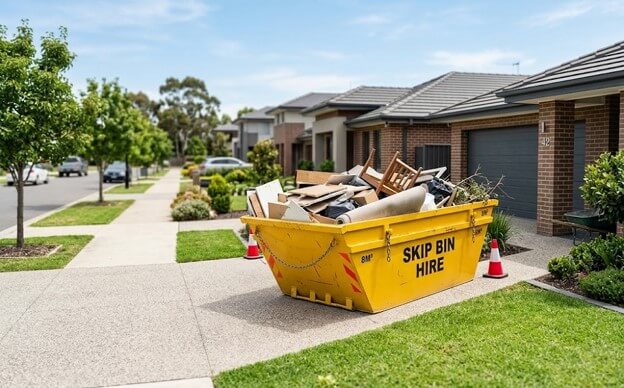
Ever found yourself staring at a mountain of rubbish after a home renovation and wondered how on earth, you’re going to get rid of it all? Or maybe you’re clearing out the garden and realising your green bin just isn’t going to cut it this time? Perhaps you’re moving house and discovering that years of accumulated stuff needs to go somewhere—fast?
If any of these scenarios sound familiar, skip bin hire might just be your new best friend. It’s one of those services that most people don’t think about until they desperately need it. But once you’ve used one, you’ll wonder how you ever managed without it. Skip bins offer a convenient, cost-effective way to dispose of large amounts of waste without making endless trips to the tip or cramming your wheelie bins to bursting point.
In this guide, we’ll walk you through everything you need to know about hiring a skip bin in Australia. From choosing the right size for your project to understanding what you can and can’t throw in, we’ve got you covered. We’ll also explore costs, booking processes, and how to pick a reliable provider. By the end, you’ll feel confident tackling your next big cleanup with ease.
What Exactly is a Skip Bin and Why Would You Need One?
A skip bin is essentially a large open-topped container designed to hold waste materials. They come in various sizes and are delivered to your location, where you fill them at your own pace. Once you’re done, the skip bin company collects it and handles the disposal for you.
The beauty of hiring a skip bin lies in its simplicity. Rather than loading up your car for multiple tip runs or waiting for weeks for council cleanup services, you’ve got a dedicated container right where you need it. This makes them perfect for projects that generate more rubbish than your regular bins can handle.
Whether you’re demolishing a bathroom, landscaping your backyard, or finally tackling that garage cleanout you’ve been putting off for years, a skip bin keeps everything contained and manageable. Plus, it saves you time, energy, and often money compared to other waste removal options.
Types of Skip Bins Available
Skip bins come in a range of sizes to suit different projects. Understanding your options helps you choose wisely and avoid paying for space you don’t need—or worse, running out of room halfway through your project.
- Mini skips (2-3 cubic metres) are ideal for small cleanups like bathroom renovations or clearing out a single room. They’re compact enough to fit in most driveways and perfect for those smaller jobs that still generate too much waste for your regular bins.
- Standard skip bins (4-6 cubic metres) suit medium-sized projects such as kitchen renovations or moderate garden cleanups. These are the most popular choice for homeowners and offer a good balance between capacity and cost.
- Large skip bins (8-10 cubic metres) handle bigger jobs like full home renovations or major landscaping projects. If you’re gutting multiple rooms or clearing a large property, this size gives you plenty of room.
- Hook lift bins (12+ cubic metres) are the heavy hitters, typically used for construction sites, commercial projects, or estate clearances. They require more space for delivery but can handle substantial amounts of waste.
So, what size skip bin do you actually need? A good rule of thumb is to estimate your waste volume and then go one size up. It’s always better to have a bit of extra room than to face overfilling charges or need a second bin.
Common Uses for Skip Bin Hire
Skip bins prove invaluable across a wide variety of situations. Home renovations and extensions generate enormous amounts of debris—old tiles, plasterboard, fixtures, and general building waste. Having a skip on-site keeps the work area tidy and makes cleanup straightforward.
Garden cleanups and landscaping projects create bulky green waste that’s difficult to dispose of otherwise. Tree branches, soil, old pavers, and garden debris fill up quickly, making a skip bin far more practical than endless trips to the green waste facility.
Construction and demolition sites rely heavily on skip bins for efficient waste management. From concrete and timber to metal and rubble, these bins handle the tough stuff that standard rubbish services won’t touch.
Moving house or clearing a deceased estate often uncovers years of accumulated belongings that need sorting. A skip bin allows you to dispose of unwanted items quickly, making the process less overwhelming. Commercial and industrial operations also benefit from regular skip bin services to manage ongoing waste production.
What Can and Can’t Go in a Skip Bin?
Understanding what’s allowed in your skip bin prevents nasty surprises and potential extra charges. Most general household waste is perfectly acceptable, including furniture, clothing, toys, and household items.
Accepted materials typically include:
- General household rubbish
- Green waste and garden refuse
- Construction materials like timber, tiles, and plasterboard
- Old furniture and appliances (check with your provider)
- Cardboard and packaging materials
Prohibited items usually include:
- Asbestos and asbestos-containing materials
- Chemicals, paints, and solvents
- Batteries and electrical items (sometimes)
- Medical waste
- Gas bottles and fire extinguishers
- Tyres (often charged extra)
Can you put furniture in a skip bin? Generally, yes! Old couches, beds, tables, and chairs are usually fine. However, it’s always smart to check with your provider first, as some items may need special handling or attract additional fees.
How Much Does Skip Bin Hire?
Skip bin prices vary based on several factors. Size is the biggest consideration—naturally, larger bins cost more. Your location matters too, as metropolitan areas often have different pricing than regional zones.
The type of waste affects costs as well. General mixed waste typically costs less than heavy materials like concrete or soil. Hire duration plays a role, with most standard hires covering 3-7 days. Need it longer? That’s usually possible but may incur extra charges.
Average costs across Australian states range from approximately $200-$300 for mini skips up to $600-$800 or more for large hook lift bins. These figures vary significantly by location and provider, so getting multiple quotes is worthwhile.
Watch out for hidden fees such as overweight charges, overfilling penalties, prohibited item fees, and permit costs if placing the bin on public property. Always ask about the total cost upfront, including delivery and collection.
To get the best value, compare quotes from at least three providers. Book in advance when possible, choose the right size the first time, and sort your waste to potentially qualify for cheaper green waste or recyclable-only rates.
How to Hire a Skip Bin
The booking process is refreshingly straightforward. Most companies offer online booking, phone orders, or both. You’ll need to specify your bin size, delivery address, hire duration, and waste type.
Follow these simple steps:
- Research providers in your area and compare quotes
- Choose your bin size based on your project
- Select your hire period
- Book delivery for your preferred date
- Prepare your placement location
- Fill the bin (without overfilling!)
- Arrange collection when you’re finished
Do you need a council permit for a skip bin? If placing it on your private property—like your driveway—usually not. However, if the bin needs to sit on the street or footpath, most councils require a permit. Your skip bin provider can often arrange this for you, though there’s typically a fee involved.
How long can you keep a skip bin? Standard hire periods range from 3-14 days, depending on the company. Extensions are usually available if your project takes longer than expected—just let them know before your collection date.
Skip Bin Hire vs Other Waste Removal Options
When comparing skip bins to rubbish removal services, each has distinct advantages. Rubbish removal services handle the heavy lifting—literally—while you watch. However, they’re often pricier and require you to have everything ready when they arrive.
Skip bins offer flexibility. You fill them at your own pace over several days, which suits projects where waste accumulates gradually. They’re typically more cost-effective for larger volumes of waste.
Trailer hire is another option, though it requires you to load, transport, and unload the waste yourself. For those comfortable towing a trailer and making tip runs, it can work out cheaper for smaller jobs. However, the time and physical effort involved often makes skip bins the more attractive choice.
Skip bin hire proves the best choice when you’re generating substantial waste over several days, lack a suitable vehicle or trailer, prefer a hands-off disposal solution, or simply want the convenience of having everything handled for you.
Tips for Maximising Your Skip Bin
Loading your skip bin efficiently stretches your hired space further. Start by placing flat items like boards and panels along the bottom. Fill gaps with smaller debris and break down large items where possible. Distribute weight evenly to avoid overloading one side.
Avoid overfilling penalties by keeping waste below the fill line. Most bins have marked levels or rim heights that indicate the maximum fill point. Exceeding these risks extra charges and potential refusal of collection.
Sorting your waste offers recycling benefits and sometimes costs savings. Some providers offer discounted rates for clean green waste or single-material loads. Separating recyclables where possible reduces landfill impact and supports sustainability efforts.
Choosing the Right Skip Bin Company
Before booking, ask potential providers about their pricing structure, included services, and any additional fees. Confirm bin sizes, hire periods, and what waste types they accept. Enquire about their environmental practices if sustainability matters to you.
Red flags to avoid include unclear pricing, no physical business address, poor communication, and lack of proper licensing or insurance. Legitimate companies should happily answer your questions and provide clear terms.
Reading reviews on Google, Facebook, and industry-specific platforms gives valuable insight into real customer experiences. Comparing multiple quotes ensures you’re getting fair value—but remember that cheapest isn’t always best. Reliability, customer service, and transparent pricing matter just as much as the bottom-line figure.
Wrapping Up Your Skip Bin Journey
Hiring a skip bin doesn’t need to be complicated. With the right information, you can confidently choose the perfect size, understand what goes in (and what doesn’t), and select a reliable provider that offers fair pricing and good service.
The key takeaways? Always slightly overestimate your bin size needs, check what’s permitted before you start filling, and get multiple quotes to ensure you’re getting value for money. Don’t forget about council permits if you’re placing the bin on public property, and load efficiently to maximise your space.
Whether you’re tackling a major renovation, finally clearing out the shed, or managing commercial waste, choosing a reliable skip bin hire service can make the entire process far more efficient and stress-free. So go ahead—book that bin and get stuck into your project knowing that waste disposal is sorted. Your future self will thank you for it!