
Harvest season leaves little room for slow equipment. When grain is ready, every hour counts, and a reliable grain tipper trailer can decide whether you finish ahead of the weather or fall behind it. If you are searching for a grain tipper trailer for sale, this guide covers what to look for before you spend your money.
Why a Grain Tipper Trailer Makes Sense
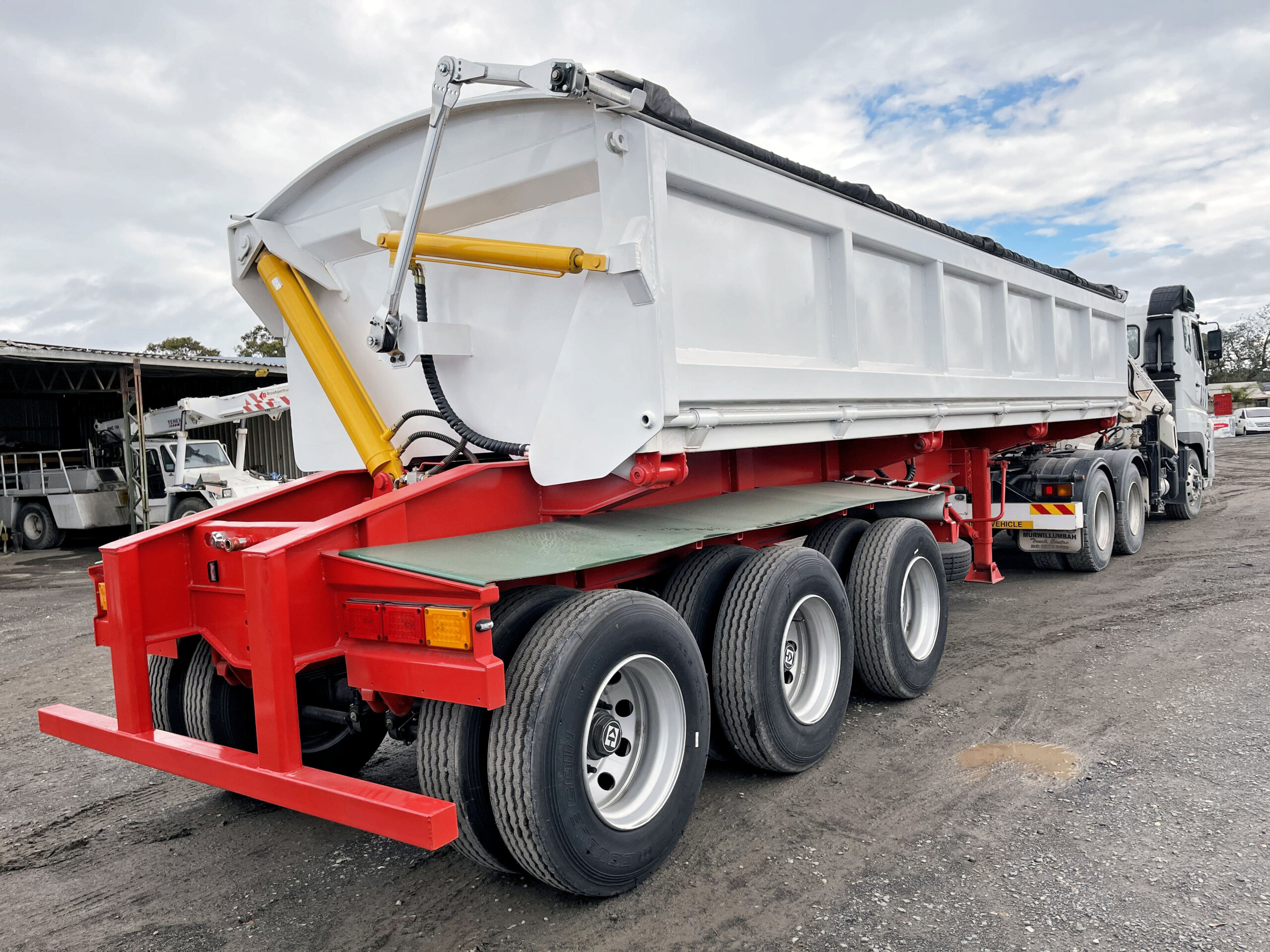
A grain tipper trailer moves harvested crops from the field to the store, silo, or buyer, then unloads by tipping the body. The hydraulic ram lifts the front of the body, and the load slides out through the rear door. That saves hours of manual unloading and cuts labor costs.
Most farmers choose a grain tipper trailer because it is versatile. The same trailer can carry wheat, barley, maize, oilseed rape, and even sand, gravel, or feed in the off-season. A good grain tipper trailer earns its keep all year, not just at harvest.
Size and Capacity
Capacity is the first thing to settle. Grain tipper trailers are usually sold by axle count and by tonnage, from small single-axle models to large tandem-axle and tri-axle machines. Match the size to your tractor, not to your ambition.
- Single-axle models: Light, easy to maneuver, and suited to small holdings and short hauls.
- Tandem-axle models: The most popular choice for mixed and arable farms, balancing capacity and control.
- Tri-axle models: Built for large operations and contractors who need maximum payload per trip.
Check your tractor’s horsepower, hitch rating, and braking capacity before you commit. An oversized grain tipper trailer behind an underpowered tractor is a safety risk, and it wears out both machines quickly.
Build Quality Matters
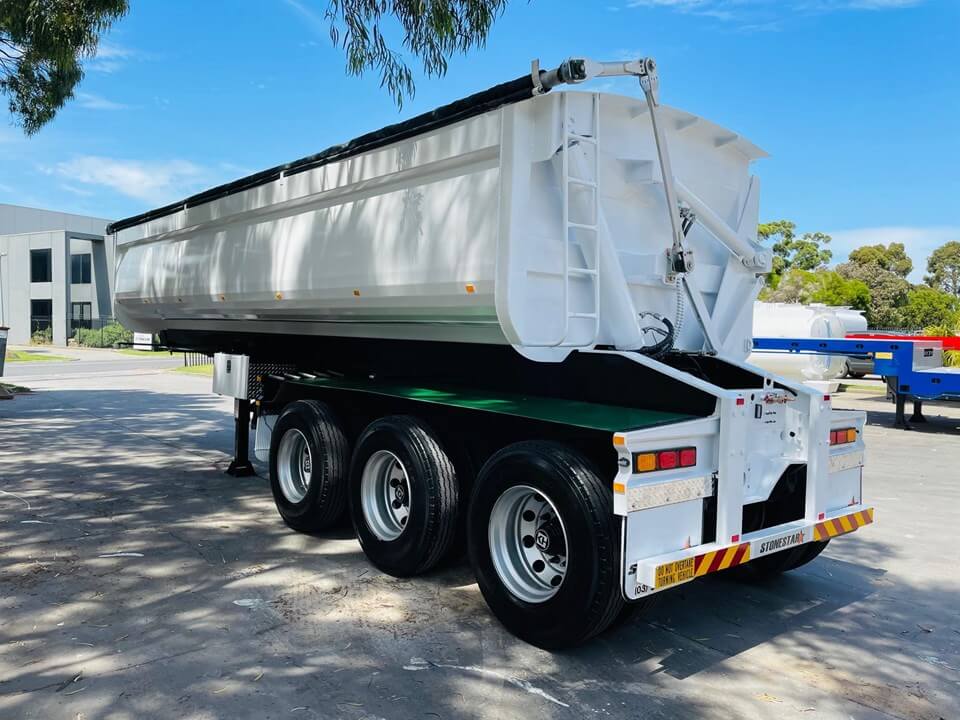
Not every grain tipper trailer for sale is built to the same standard. Look closely at the chassis and body construction. A strong steel chassis with quality welding will handle years of rough tracks and heavy loads. Thicker floor and side plates resist dents and abrasion, which matters most if you also haul stone or rough materials.
Pay attention to the body shape too. Smooth internal walls let grain flow out cleanly, so less of your crop stays behind. A well-designed grain tipper trailer also keeps its center of gravity low, which improves stability on slopes and uneven ground.
The Hydraulic System
The hydraulic ram does the hardest work on any grain tipper trailer, so inspect it carefully. Look for a ram with good seals, no leaks, and smooth, controlled operation. A telescopic ram gives a high tipping angle, which helps the load clear fully.
Ask whether the system connects directly to your tractor’s hydraulics and what flow rate it needs. Some buyers also like a hydraulic rear door, which lets you control the flow of grain from the cab. Small features like this save real time over a long harvest.
Safety Features to Check
Safety should never be an afterthought. A road-legal grain tipper trailer should have the following:
- Reliable braking, either air or hydraulic depending on your region
- Working lights, indicators, and reflectors
- Mudguards and secure drawbar fittings
- A stable body support or safety prop for maintenance work
Never work under a raised body without a proper support in place. Also confirm that the trailer meets the road and weight regulations where you farm, since rules vary by country and state.
New or Used?
A new grain tipper trailer gives you a full warranty, current safety standards, and the latest design. A used one costs less up front and can be excellent value if you choose carefully.
When you inspect a used grain tipper trailer, check these points:
- Frame and chassis for cracks, repairs, or rust
- Axles, hubs, and bearings for play or wear
- Tyre condition and even wear patterns
- Hydraulic ram and hoses for leaks
- Floor and body for thin patches or corrosion
If possible, ask for service records and see the trailer tip a load. A seller with nothing to hide will be happy to demonstrate.
Where to Find the Right Deal
You can find a grain tipper trailer for sale through local dealers, farm machinery auctions, agricultural classifieds, and manufacturer networks. Dealers often offer financing, delivery, and after-sales support, which is useful if you want long-term peace of mind. Private sellers may offer lower prices, but you take on more of the inspection work yourself.
Compare several listings before you decide. Look at the specification, not just the price, because a cheaper grain tipper trailer with a weaker chassis or an unreliable ram can cost far more over its lifetime.
Keep It Working Longer
Once you buy, simple care extends the life of your grain tipper trailer. Grease all pivot points regularly, check hydraulic hoses for wear, and tighten wheel nuts after the first few loads. Clean residue from the body after each season, especially after hauling fertilizer or damp crops, because moisture speeds up corrosion. Store the trailer under cover when you can.
Final Thoughts
Choosing a grain tipper trailer is a long-term decision that affects your efficiency, your costs, and your safety. Define your capacity needs, check your tractor’s limits, and examine the build quality and hydraulics closely. Whether you buy new or used, take your time and inspect thoroughly.
If you are ready to look for a grain tipper trailer for sale, use this checklist and compare your options carefully. The right trailer will save you time every harvest for many years.