

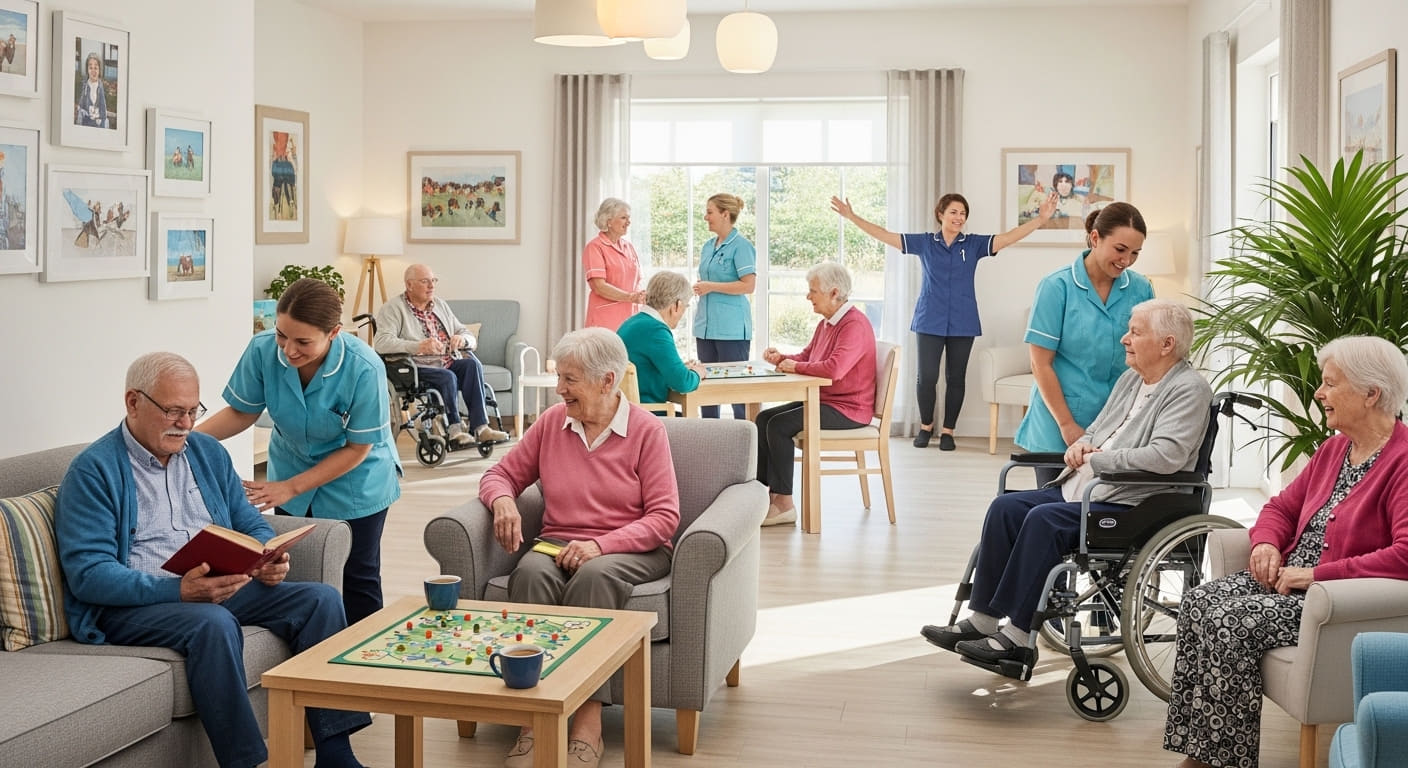
A fulfilling later life is about more than simply meeting medical needs — it’s about feeling safe, valued, and connected every single day. The right care home can transform daily living through compassionate support, stimulating activities, warm social interaction, and thoughtfully designed spaces that truly feel like home. When care goes beyond routine and focuses on dignity, purpose, and personal attention, wellbeing flourishes in ways that make every stage of life meaningful.
Choosing a care home is often about ensuring long-term comfort, stability, and peace of mind. For many families exploring options such as a care home in Waltham Abbey, the key question is how residential care genuinely supports elderly wellbeing beyond basic assistance. Today’s care homes take a holistic approach, focusing on health, independence, and emotional fulfilment.
Wellbeing in older age is multi-dimensional. It includes physical health, mental stimulation, emotional security, and social connection. Effective care environments are designed to support all of these areas together, rather than treating them in isolation.
Person-Centred Care as the Foundation
Wellbeing improves when care adapts to the individual rather than expecting individuals to adapt to systems. Person-centred care ensures support reflects personal history, preferences, and abilities.
Individual routines and preferences
Modern care homes are built around person-centred care. This means support is tailored to each resident’s habits, preferences, and abilities. Daily routines are shaped around familiar patterns, helping residents maintain a sense of normality and control.
Respecting independence
Supporting wellbeing does not mean removing independence. Residents are encouraged to make choices about their day, from mealtimes to activities. This autonomy plays a crucial role in preserving confidence and self-esteem, which are closely linked to mental wellbeing in later life.
Physical Health and Daily Comfort
Physical wellbeing forms the backbone of quality care, supporting energy, mobility, and comfort. Care homes provide structured support that adapts as physical needs change over time.
Consistent health monitoring
Care homes provide regular monitoring of physical health, ensuring changes are noticed early. Trained staff support mobility, nutrition, hydration, and medication routines, helping residents remain as healthy and comfortable as possible.
Safe and supportive environments
Purpose-designed living spaces reduce the risk of falls and injuries while remaining homely rather than clinical. Good lighting, accessible layouts, and calm surroundings all contribute to physical safety and emotional reassurance.
Research from public health bodies consistently shows that structured care environments reduce preventable health complications in older adults, particularly those linked to isolation or unmanaged daily needs.
Emotional Wellbeing and Mental Health Support
Emotional security is essential for long-term wellbeing, particularly during later-life transitions. Care homes focus on building reassurance, familiarity, and meaningful engagement.
Building emotional security
Emotional wellbeing is strengthened when residents feel safe and understood. Consistent staffing allows trusting relationships to develop, providing reassurance and familiarity. This continuity helps reduce anxiety, especially for individuals adjusting to a new living environment.
Supporting mental stimulation
Cognitive engagement is a key part of healthy ageing. Care homes incorporate mentally stimulating activities such as reading groups, music sessions, and creative tasks. These activities help maintain cognitive function and provide a sense of purpose.
Mental health professionals widely recognise that regular engagement and routine can slow cognitive decline and improve mood among elderly populations.
Social Connection and Community Living
Social wellbeing plays a vital role in overall quality of life. Residential care environments are structured to encourage interaction while respecting personal space.
Reducing loneliness
Loneliness is one of the most significant challenges facing older adults. Care homes address this by creating natural opportunities for social interaction. Shared spaces, group activities, and communal dining encourage conversation and connection without pressure.
A sense of belonging
Living within a community helps residents feel part of something larger than themselves. For families considering a care home in Waltham Abbey, this sense of belonging is often a decisive factor, as social engagement plays a major role in emotional resilience and happiness.
Studies have consistently linked social interaction in later life with improved emotional wellbeing and reduced risk of depression.
Nutrition, Mealtimes, and Enjoyment
Good nutrition supports physical health, energy levels, and mood. Mealtimes in care homes are designed to be enjoyable, social, and respectful.
Balanced and enjoyable meals
Nutrition directly affects physical health, energy levels, and mood. Care homes provide balanced meals designed to meet dietary needs while still offering choice and enjoyment. Mealtimes also serve as social occasions, reinforcing routine and connection.
Supporting dignity around eating
Assistance is provided discreetly and respectfully when needed. Maintaining dignity during meals supports confidence and ensures residents continue to enjoy food rather than viewing it as a task.
Structured Activities That Add Meaning
Daily activity supports physical movement, mental engagement, and emotional expression. Care homes aim to offer purposeful options that suit different interests and abilities.
Purposeful daily engagement
Activities are not simply fillers for time. They are designed to support physical movement, creativity, and emotional expression. Gentle exercise, arts, and group discussions all contribute to a sense of purpose.
Flexibility and choice
Residents can take part at their own pace. Choice is essential, as wellbeing improves when individuals feel involved by preference rather than obligation.
Family Reassurance and Ongoing Communication
Wellbeing support extends beyond residents to their families. Clear communication helps build trust and confidence in care decisions.
Transparent care planning
Families benefit from clear communication about care approaches and wellbeing priorities. Regular updates and involvement help build trust and reassurance that loved ones are supported consistently.
Emotional peace of mind
Knowing that wellbeing is addressed holistically allows families to focus on meaningful relationships rather than constant concern. This emotional relief is a significant, though often overlooked, benefit of quality residential care.
Key Takeaways for Supporting Elderly Wellbeing in Care Homes
- Wellbeing is holistic, combining physical health, emotional security, and social connection
- Person-centred care preserves independence and dignity
- Safe environments support confidence and daily comfort
- Social engagement reduces loneliness and supports mental health
- Structured routines provide stability while allowing personal choice
Frequently Asked Questions
How do care homes support emotional wellbeing?
Care homes support emotional wellbeing by offering consistent routines, familiar staff, and meaningful social interaction. These elements create a sense of security and belonging, helping residents feel valued and emotionally supported on a daily basis.
What role does social activity play in elderly care?
Social activity helps reduce loneliness, improves mood, and supports cognitive health. Regular interaction encourages communication and engagement, which are strongly linked to better emotional wellbeing in older adults.
Are care homes suitable for maintaining independence?
Yes, modern care homes actively encourage independence. Residents are supported to make choices about daily routines and activities, which helps maintain confidence and personal identity.
How is physical health monitored in care homes?
Physical health is monitored through regular observations, support with medication, and assistance with mobility and nutrition. Early identification of changes helps maintain comfort and prevent avoidable complications.
Why are routines important for elderly wellbeing?
Routines provide structure and predictability, which reduce anxiety and confusion. Consistent daily patterns help residents feel secure while still allowing flexibility and personal choice.
What should families look for when choosing a care home?
Families should look for a care environment that balances safety with comfort, offers personalised care, encourages social interaction, and communicates openly about wellbeing priorities.
Final Thoughts
A well-run care home offers far more than supervision. It provides structure, companionship, and personalised support that adapts as needs change. For those considering a care home in Waltham Abbey, understanding how wellbeing is embedded into daily care can help families make informed, confident decisions that prioritise quality of life as much as safety and support.