
Most homeowners assume that when their heating or cooling system struggles, the problem must be inside the HVAC unit itself. While worn components or poor maintenance can certainly affect performance, many system problems actually begin with the home’s electrical infrastructure.
Heating and cooling systems rely heavily on stable electrical connections to operate efficiently. Motors, compressors, thermostats, and control boards all require consistent power to function properly. When electrical systems are outdated, overloaded, or improperly wired, HVAC units may run inefficiently, shut down unexpectedly, or consume more energy than necessary.
Understanding how electrical safety affects HVAC performance can help homeowners identify hidden problems, avoid expensive repairs, and keep their home comfortable throughout the year.
Why HVAC Systems Depend on Stable Electrical Systems
Modern HVAC systems are complex machines powered by multiple electrical components. Even a small electrical issue can interfere with system performance.
Key Electrical Components That Power HVAC Systems
Several electrical parts work together to keep heating and cooling equipment operating correctly:
- Thermostat wiring that sends signals to the HVAC unit
- Capacitors that help start and run motors
- Circuit breakers that protect equipment from overload
- Fan motors and compressors that require steady voltage
If any of these components receive inconsistent power, the system may struggle to operate efficiently.
What Happens When Electrical Supply Is Unstable
When electrical flow becomes unstable, HVAC systems may experience several issues:
- Sudden shutdowns
- Short cycling (frequent starting and stopping)
- Reduced airflow
- Increased energy consumption
These problems not only reduce comfort but can also shorten the lifespan of the equipment.
Common Electrical Issues That Affect HVAC Performance
Electrical problems are one of the most overlooked causes of HVAC inefficiency. Several common issues can disrupt system performance.
Tripped Breakers and Overloaded Circuits
HVAC systems require a significant amount of electricity, especially during peak heating or cooling seasons. If the electrical circuit is overloaded, the breaker may trip repeatedly. This interrupts system operation and can indicate deeper electrical concerns.
Faulty Wiring Connections
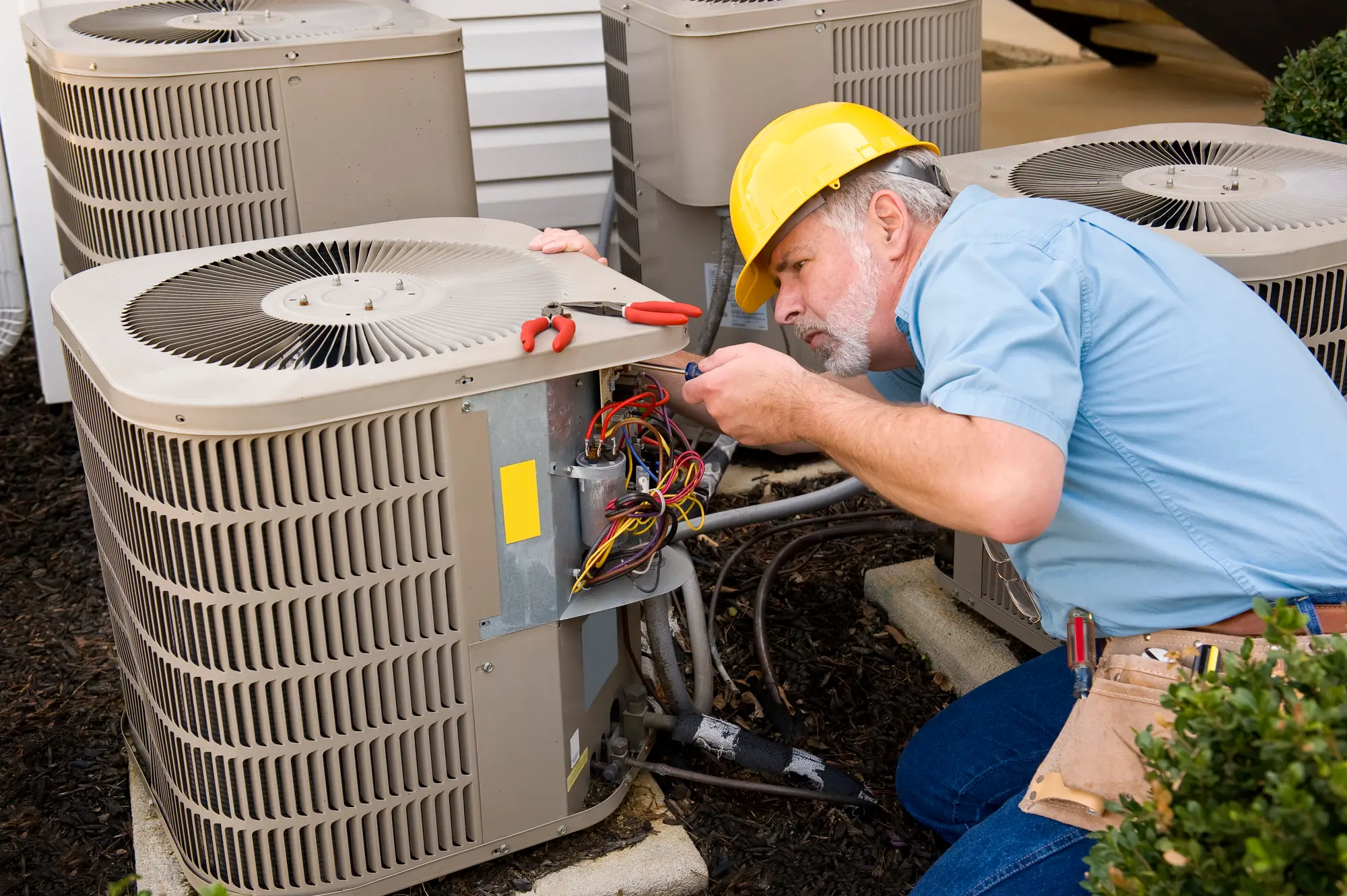
Loose or deteriorating wiring can prevent the HVAC unit from receiving consistent power. Over time, this may lead to:
- Inconsistent cooling or heating
- System shutdowns
- Increased wear on electrical components
Aging Electrical Panels
Older electrical panels may struggle to support modern HVAC systems. As homes add more appliances and devices, outdated panels may fail to distribute power properly, reducing the efficiency of heating and cooling equipment.
Warning Signs Your HVAC Problem May Be Electrical
Some HVAC issues appear mechanical but are actually caused by electrical faults. Recognising these warning signs early can help homeowners address the real problem quickly.
Common indicators include:
- The HVAC system frequently trips the breaker
- The air conditioner starts but stops quickly
- The system does not turn on even when the thermostat is active
- Lights flicker when the HVAC unit starts
- A burning smell near vents or electrical panels
When these symptoms appear, it often means the system is not receiving stable electrical power.
Ignoring these signs can cause additional strain on the HVAC equipment and lead to costly repairs later.
How Electrical Safety Improves HVAC Efficiency
Electrical safety is not just about preventing hazards. It also plays a major role in maintaining efficient heating and cooling.
When electrical systems operate correctly, HVAC units can function at their designed performance level.
Stable Voltage Improves System Performance
Consistent electrical voltage allows compressors and fan motors to run smoothly. When voltage fluctuates, motors may work harder, causing unnecessary energy use.
Reduced System Strain
Electrical faults force HVAC components to cycle on and off repeatedly. This increases wear on internal parts and shortens the equipment’s lifespan.
Better Energy Efficiency
A stable electrical supply allows the HVAC system to run efficiently, maintaining comfortable indoor temperatures without consuming excessive energy.
This means homeowners benefit from lower utility bills and more reliable heating and cooling.
When to Call an Electrical Professional
While some HVAC issues can be solved with basic maintenance, electrical problems often require professional inspection.
For example, if the circuit breaker continues to trip whenever the air conditioner runs, the problem may involve overloaded circuits or faulty wiring. In these situations, consulting a qualified electrician in Gresham, OR can help identify whether the HVAC system is receiving the correct electrical supply.
Professionals can inspect electrical panels, wiring connections, and circuit capacity to determine whether upgrades or repairs are necessary.
In many cases, homeowners experiencing frequent HVAC shutdowns eventually discover that an experienced electrician in Gresham, OR must correct underlying wiring issues before the system can operate safely and efficiently.
Addressing electrical problems early prevents damage to HVAC components and improves overall system reliability.
Preventative Electrical Maintenance for HVAC Systems
Preventative maintenance is one of the best ways to protect both electrical systems and HVAC equipment.
Homeowner Maintenance Tips
Homeowners can take several simple steps to reduce electrical risks:
- Avoid plugging multiple high-energy appliances into the same circuit
- Schedule annual HVAC maintenance inspections
- Check outdoor condenser wiring for visible damage
- Ensure the electrical panel is properly labelled and organised
These actions can help reduce electrical strain on heating and cooling systems.
Professional Electrical Inspections
Routine electrical inspections provide a deeper evaluation of the system’s health. A licensed electrician in Gresham, OR can identify hidden wiring problems, panel capacity issues, or outdated components that may be affecting HVAC performance.
By addressing these issues early, homeowners can improve safety and avoid unexpected system failures.
Conclusion
HVAC systems rely heavily on a stable and safe electrical infrastructure. When electrical problems occur, heating and cooling equipment may struggle to perform efficiently, leading to higher energy bills, reduced comfort, and potential system damage.
Understanding the connection between electrical safety and HVAC performance allows homeowners to identify warning signs before they escalate into major repairs.
By maintaining electrical systems, scheduling regular inspections, and addressing wiring problems promptly, homeowners can protect their HVAC equipment, improve energy efficiency, and keep their homes comfortable throughout every season.