
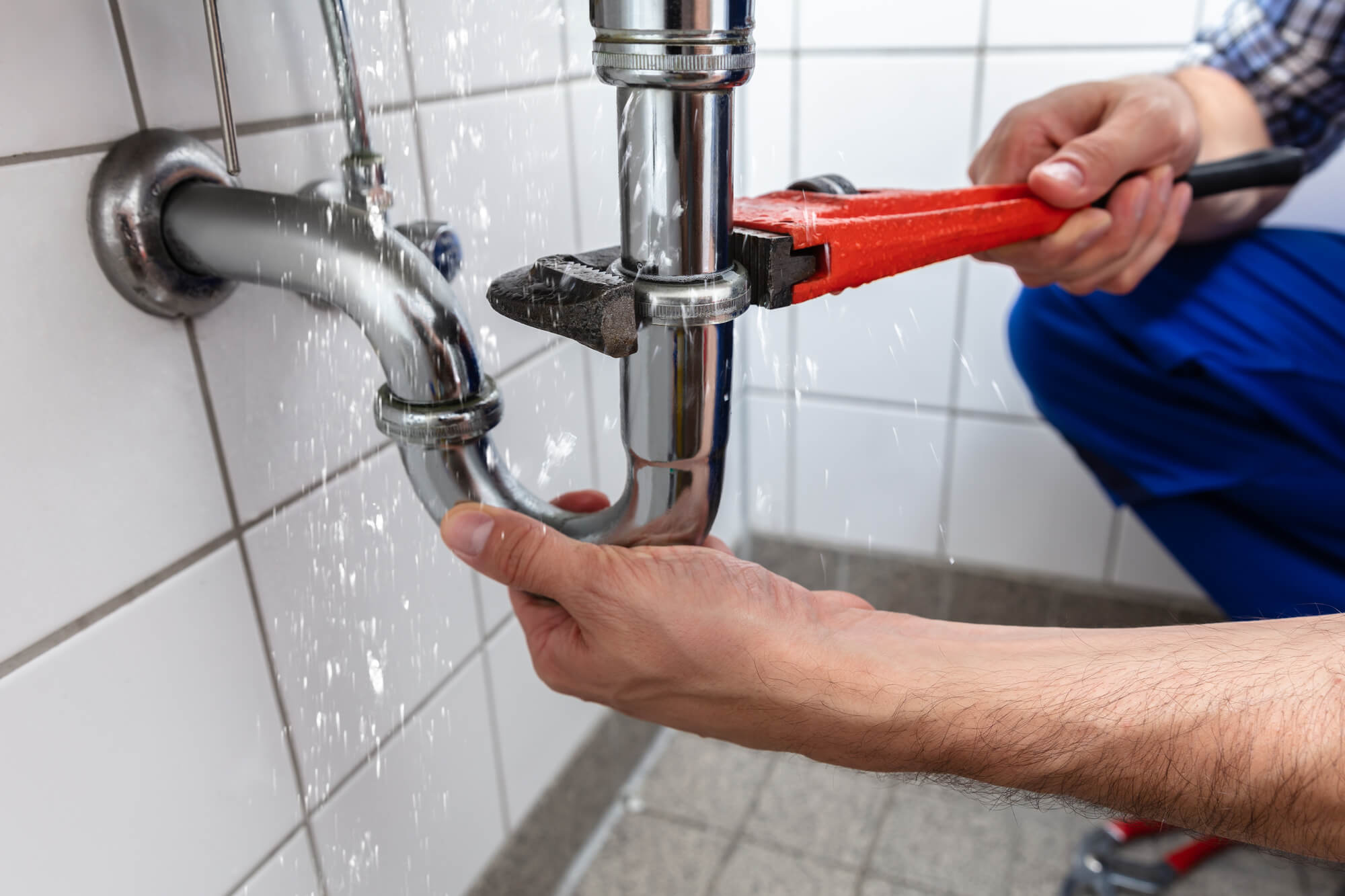
Plumbing systems work quietly behind the scenes in every home. From morning showers to evening dishwashing, water flows through pipes and fixtures many times each day. Because these systems function so reliably, homeowners often overlook them until a problem appears. Unfortunately, plumbing issues rarely develop overnight. Most leaks, clogs, and pressure problems begin as small concerns that gradually worsen over time.
This is where preventive care becomes essential. Following a structured annual plumbing maintenance checklist allows homeowners to detect early warning signs before they become expensive repairs. Regular inspections and simple maintenance tasks keep pipes, fixtures, and appliances working efficiently throughout the year.
A yearly plumbing guide not only protects your home from leaks and water damage but also improves efficiency and extends the life of your plumbing system. In this comprehensive guide, you will learn how to inspect key plumbing areas, prevent common household problems, and maintain reliable water flow throughout your home.
Understanding Your Home’s Plumbing System
Before diving into maintenance tasks, it helps to understand the basic structure of a residential plumbing system. Most homes have two main plumbing networks working together. The first system delivers clean water to sinks, showers, appliances, and toilets. The second system removes wastewater safely through drains and sewer lines.
Water enters your home through the main supply line and travels through pipes to various fixtures. Valves, fittings, and pressure regulators control how water moves through the system. Meanwhile, drainage pipes rely on gravity to carry wastewater away from the home.
Over time, plumbing components face constant pressure from water flow, mineral buildup, and everyday use. Pipes may gradually corrode, seals can wear out, and small leaks may appear. Without routine checks, these problems may remain unnoticed until they cause visible damage.
Understanding how your plumbing system works makes it easier to perform regular inspections and identify potential issues early.
Why Preventive Plumbing Maintenance Saves Money
Many homeowners wait until a plumbing emergency occurs before calling a professional. However, reactive repairs often cost far more than preventive maintenance.
A small leak hidden under a sink may waste hundreds of gallons of water each year. Over time, moisture can damage cabinets, flooring, and drywall. Fixing structural damage is often far more expensive than repairing the original leak.
Routine plumbing care provides several important benefits. First, it helps identify worn components before they fail. Second, it keeps water flowing efficiently throughout the home. Third, it reduces the likelihood of unexpected emergencies.
The key advantage of following an annual plumbing maintenance checklist is cost prevention. When homeowners inspect their systems regularly, they can address small issues before they escalate into expensive repairs.
Preventive maintenance also protects the value of your home. Plumbing failures can cause serious property damage if left untreated. By investing time in routine inspections, homeowners can enjoy peace of mind and avoid unnecessary expenses.
Inspecting Pipes for Leaks and Corrosion
One of the most important tasks in a yearly plumbing guide is checking pipes for leaks or corrosion. Pipes run throughout the home, but many of them are visible under sinks, in basements, or near appliances.
Start by examining exposed pipes for signs of moisture or rust. Even a small drip may indicate a loose connection or worn seal. Pay close attention to areas where pipes connect to fixtures because these joints often develop leaks first.
If you notice discoloration or mineral deposits on pipes, it may indicate slow leaks. Corrosion can also weaken pipe walls over time. Addressing these issues early helps prevent pipe bursts or water damage.
While inspecting pipes, listen for unusual sounds. Hissing or dripping noises behind walls may suggest hidden leaks. If these sounds appear, further inspection or professional assistance may be necessary.
Regular pipe inspections are a fundamental part of maintaining a healthy plumbing system.
Checking Faucets and Fixtures
Faucets and plumbing fixtures are among the most frequently used components in any home. Because of this constant use, they often show signs of wear sooner than other plumbing elements.
A dripping faucet may seem minor, but it can waste significant amounts of water over time. Leaks often occur when washers, cartridges, or seals inside the faucet wear out.
Begin your inspection by turning on each faucet in the home. Observe water flow and check for dripping once the tap is turned off. Also examine the base of the fixture for moisture.
Pay attention to water pressure as well. If pressure appears unusually weak, it may indicate mineral buildup inside the faucet or a deeper plumbing issue.
Regularly checking fixtures helps ensure efficient water usage and prevents unnecessary water waste.
Maintaining Drains and Preventing Blockages
Drain clogs are one of the most common plumbing problems homeowners face. Over time, materials such as grease, hair, soap residue, and food particles accumulate inside pipes.
Slow drains are often the first warning sign of developing blockages. If water takes longer than usual to empty from sinks or showers, debris may already be restricting flow.
To prevent drain problems, homeowners should perform regular cleaning. Running hot water through drains can help dissolve grease buildup. Natural cleaning solutions such as baking soda and vinegar can also help break down minor debris.
It is important to avoid pouring grease or oil into kitchen sinks. These substances harden as they cool and stick to pipe walls.
Keeping drains clean is a simple yet effective step within an annual plumbing maintenance checklist.
Inspecting Toilets for Hidden Leaks
Toilets use large volumes of water each day, making them another important focus of plumbing maintenance. Even small leaks inside a toilet tank can waste hundreds of gallons of water per month.
One of the most common toilet issues is a worn flapper valve. This component controls water flow from the tank to the bowl. When it deteriorates, water may continuously leak into the bowl.
A simple test can reveal hidden toilet leaks. Place a few drops of food coloring into the tank and wait fifteen minutes without flushing. If color appears in the bowl, a leak is present.
Inspecting toilets regularly helps prevent unnecessary water waste and reduces utility bills.
Examining Water Heaters for Performance and Safety
Water heaters play a crucial role in household comfort. From showers to laundry, hot water is used throughout the home every day.
Over time, sediment from minerals in the water can accumulate inside the tank. This buildup reduces heating efficiency and may cause unusual noises.
Inspect the water heater tank for signs of rust, moisture, or corrosion around valves and connections. If the unit makes rumbling or popping sounds, sediment buildup may be present.
Flushing the water heater periodically helps remove sediment and restore efficiency. This step is often recommended as part of an annual plumbing maintenance checklist.
Regular maintenance ensures the water heater operates safely and provides consistent hot water.
Monitoring Water Pressure Levels
Water pressure plays an important role in overall plumbing performance. When pressure is too high, it can strain pipes and increase the risk of leaks. When pressure is too low, everyday activities such as showering or washing dishes become inconvenient.
Most homes operate best with water pressure between forty and sixty pounds per square inch. Pressure regulators help maintain this balance.
Homeowners may notice pressure changes through weaker faucet flow or sudden bursts of water from taps.
Testing water pressure annually helps ensure the plumbing system remains balanced and protected from unnecessary strain.
Seasonal Plumbing Considerations
While this guide focuses on yearly maintenance, seasonal changes also affect plumbing systems. Cold weather can cause pipes to freeze, while heavy rainfall may affect drainage systems.
During winter months, insulating exposed pipes helps prevent freezing. In spring, checking outdoor faucets and irrigation systems ensures they function properly after winter.
Seasonal awareness complements the annual plumbing maintenance checklist and helps maintain reliable plumbing performance throughout the year.
Final Thoughts
Plumbing systems are essential to daily comfort and convenience. Yet without proper care, even small issues can lead to expensive repairs or water damage.
Following a structured annual plumbing maintenance checklist allows homeowners to detect problems early and maintain efficient water systems. By inspecting pipes, fixtures, drains, toilets, and water heaters regularly, homeowners can prevent leaks and keep their plumbing systems running smoothly.
Preventive care not only protects your home but also saves money over time. When maintenance becomes part of your yearly routine, plumbing emergencies become far less likely.
With a little attention and consistent upkeep, homeowners can achieve what every household wants: zero leaks, zero stress, and a plumbing system that works reliably all year long.