
Are you planning to transform your outdoor space but feeling overwhelmed by all the natural stone options out there? Wondering whether marble or travertine would be the better choice for your pool surround, patio, or alfresco area? You’re definitely not alone in this dilemma.
Choosing the right natural stone for your outdoor space is a decision that’ll impact your home’s look and feel for years to come. Both marble and travertine offer stunning aesthetics and undeniable elegance, but they perform quite differently when exposed to Australian weather conditions. Getting this choice right means understanding what each stone brings to the table—and more importantly, what it doesn’t.
In this guide, we’ll break down everything you need to know about outdoor travertine tiles and marble for exterior use. You’ll discover how each stone is formed, their key characteristics, and which one stands up better to harsh Australian summers. We’ll also explore the cost differences, maintenance requirements, and best applications for each material. By the end, you’ll have all the information needed to make a confident choice for your outdoor project.
Understanding Marble and Travertine: What’s the Difference?
How Marble is Formed and Its Key Characteristics
Marble is a metamorphic rock that forms when limestone undergoes intense heat and pressure deep within the Earth’s crust. This process creates its signature veining patterns and crystalline structure that people have admired for centuries. Think of the Taj Mahal or ancient Greek sculptures—marble has been the go-to material for luxury applications throughout history.
The stone’s key characteristics include a polished, glossy finish and distinctive veining patterns that make each piece unique. Marble comes in various colours, from classic white to dramatic blacks and greens. It’s a dense stone with a smooth surface that feels cool underfoot.
How Travertine is Formed and Its Key Characteristics
Travertine, on the other hand, is a sedimentary rock formed in hot springs and limestone caves. As mineral-rich water evaporates, it leaves behind calcium carbonate deposits that build up over thousands of years. This natural process creates travertine’s characteristic pitted surface and earthy colour palette.
The stone typically features warm tones—think creams, beiges, tans, and walnut shades. Its naturally textured surface provides better grip than smooth stones, making it particularly practical for outdoor applications. Travertine also has natural insulating properties that affect how it handles temperature changes.
Is Travertine a Type of Marble?
Here’s where things get a bit confusing. While both stones contain calcium carbonate and share some similarities, travertine is not a type of marble. They’re formed through completely different geological processes. Marble is metamorphic, while travertine is sedimentary. This distinction matters because it affects how each stone performs outdoors.
Outdoor Travertine Tiles: Why They’re a Popular Choice in Australia
Natural Beauty and Aesthetic Appeal
There’s something genuinely special about the warm, earthy tones of outdoor travertine tiles. They complement the Australian landscape beautifully, blending seamlessly with natural surroundings. Whether you’re going for a Mediterranean villa vibe or a contemporary coastal look, travertine delivers versatility that’s hard to beat.
Each tile features unique patterns and colour variations, meaning your outdoor space will have character that can’t be replicated. Plus, travertine ages gracefully, developing a lovely patina over time that many homeowners actually prefer to its original appearance.
Heat Resistance: Is Travertine Good for Pool Surrounds?
Absolutely! One of travertine’s biggest advantages for Australian outdoor spaces is its heat resistance. Unlike darker stones that absorb and retain heat, travertine stays relatively cool even under the blazing summer sun. This makes it incredibly comfortable for bare feet around pool areas—no more doing the hot-foot dance across scorching pavers.
The stone’s natural porosity creates tiny air pockets that act as insulation, preventing it from becoming unbearably hot. This feature alone makes travertine a favourite among Australian homeowners with pools.
Slip Resistance and Safety Features
Safety is paramount around wet areas, and travertine excels here too. Its naturally textured surface provides excellent grip, reducing the risk of slips and falls. The tumbled and unfilled finishes are particularly slip-resistant, making them ideal for pool surrounds and outdoor showers.
When properly selected and installed, travertine can meet Australian slip resistance standards for wet areas. Just make sure you choose the right finish for your specific application.
Marble for Outdoor Use: Pros and Cons
The Elegance Factor: When Marble Works Outdoors
There’s no denying marble’s visual impact. When you want to create a luxurious, sophisticated outdoor space, marble delivers an elegance that few other materials can match. Its polished surface and dramatic veining make stunning feature walls, accent pieces, and formal entertainment areas.
Marble works particularly well in covered outdoor areas where it’s protected from direct weather exposure. Think elegant alfresco dining spaces or sheltered courtyards where you can enjoy its beauty without the full brunt of the elements.
Can Marble Be Used Outside in Australian Climates?
This is where things get tricky. Marble can be used outdoors, but it requires careful consideration in Australian climates. The stone is more porous than many people realise, which means it can absorb moisture and potentially stain. In areas with temperature extremes, absorbed water can freeze and expand, causing cracking—though admittedly, this is less of a concern in most Australian regions.
The bigger issue is marble’s tendency to become slippery when wet. Polished marble around a pool? That’s asking for trouble. If you’re set on marble outdoors, consider honed or textured finishes and keep it away from splash zones.
Maintenance Requirements for Outdoor Marble
Let’s be honest—outdoor marble demands commitment. It needs regular sealing to protect against staining and moisture absorption. You’ll also need to clean it carefully, avoiding acidic cleaners that can etch the surface. Bird droppings, fallen leaves, and even certain fertilisers can cause damage if not cleaned promptly.
For busy homeowners who prefer low-maintenance options, marble might prove frustrating. However, if you’re willing to put in the effort, the results can be stunning.
Durability Comparison: Which Stone Lasts Longer Outdoors?
Weather Resistance and Climate Considerations
When it comes to weathering Australian conditions, travertine generally has the edge. Its natural porosity, while requiring sealing, actually allows the stone to “breathe” and handle temperature fluctuations better than marble. Marble’s denser structure can make it more susceptible to thermal expansion issues in extreme heat.
Both stones can handle rain, but travertine’s textured surface sheds water more effectively, reducing pooling and potential slip hazards.
How Does Travertine Hold Up in Harsh Australian Summers?
Remarkably well, actually. Travertine has been used in hot Mediterranean climates for thousands of years, and Australian conditions aren’t too different. The stone’s natural heat resistance means it won’t fade or deteriorate under intense UV exposure like some manufactured materials might.
In fact, many Australian pool builders specifically recommend travertine for its proven performance in our climate. It handles everything from scorching summer days to occasional winter frosts without missing a beat.
Porosity and Sealing Requirements
Both stones are porous and benefit from sealing, but there’s a difference in degree. Travertine is more porous than marble, which sounds like a disadvantage but actually contributes to its heat resistance. A quality penetrating sealer applied every few years keeps travertine protected while maintaining its natural breathability.
Marble requires more frequent sealing and is more prone to staining if the seal is compromised. Either way, factor sealing into your ongoing maintenance budget.
Cost Comparison: Marble vs Travertine Pavers
Initial Purchase and Installation Costs
Generally speaking, travertine pavers are more budget-friendly than marble. You can expect to pay anywhere from $50 to $120 per square metre for quality travertine, depending on the grade and finish. Marble typically starts higher and can reach premium prices for exotic varieties.
Installation costs are similar for both materials, though marble’s weight and fragility might add slightly to labour expenses.
Long-Term Value and Maintenance Expenses
When you factor in ongoing maintenance, travertine often works out more economical. Its durability and lower maintenance requirements mean fewer repairs and replacements over time. Marble’s higher upkeep needs—more frequent sealing, specialist cleaning products, potential repairs—add up.
Is Travertine More Expensive Than Marble?
In most cases, no. Travertine tends to be the more affordable option, particularly when considering total cost of ownership. That said, premium travertine grades can approach entry-level marble prices, so always compare like with like.
Best Applications for Each Stone
Pool Surrounds and Coping
For pool areas, travertine wins hands down. Its heat resistance, slip resistance, and durability make it the practical choice. Marble simply isn’t suited for constant water exposure and barefoot traffic.
Patios and Alfresco Areas
Both stones can work beautifully here, though travertine offers more flexibility. For covered alfresco areas, marble can create a stunning centrepiece. Open patios benefit from travertine’s weather resistance.
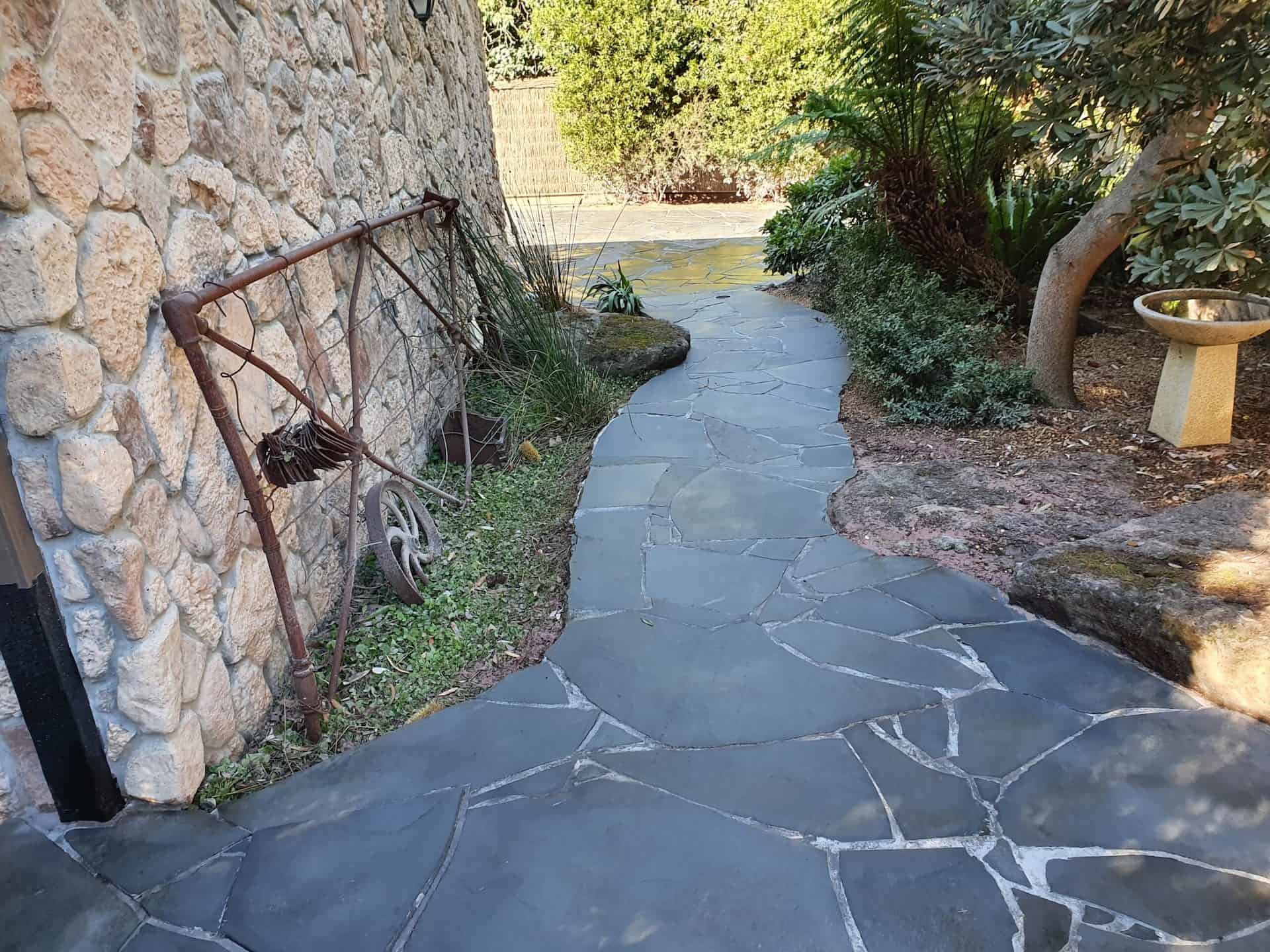
Garden Pathways and Driveways
Travertine handles foot traffic and light vehicle use admirably. Marble is generally too delicate for driveway applications and may crack under vehicle weight.
Which Is Better for Outdoor Use: Marble or Travertine?
For most Australian outdoor applications, travertine is the smarter choice. It offers better heat resistance, superior slip resistance, lower maintenance, and greater durability—all at a more accessible price point. Marble has its place in protected, feature applications where its elegance can shine without weathering concerns.
Making the Right Choice for Your Outdoor Project
So, what’s the verdict? While both marble and travertine are beautiful natural stones, they serve different purposes in outdoor settings. Travertine emerges as the clear winner for practical, everyday outdoor use in Australian conditions. Its combination of aesthetic appeal, safety features, and durability make it exceptionally well-suited to our climate.
That’s not to say marble doesn’t have its place. For covered areas, feature walls, or accent pieces where you want maximum visual impact, marble can be absolutely stunning. Just go in with realistic expectations about maintenance requirements and limitations.
Ultimately, your choice should reflect your lifestyle, budget, and how you plan to use the space. If you want a low-maintenance pool area that stays cool underfoot and looks amazing for decades, outdoor travertine tiles are your best bet. Whatever you decide, investing in quality natural stone will add value and beauty to your home for years to come.