

Ever found yourself stuck in traffic, reaching for the volume dial, only to be disappointed by tinny speakers and muffled bass? Or perhaps you’ve wondered why your mate’s car sounds like a concert hall while yours sounds like a tin can? Maybe you’re simply curious about what makes a truly brilliant car audio system tick?
You’re not alone. Thousands of Aussie drivers upgrade their car audio systems each year, seeking that perfect sound to accompany their daily commute or weekend road trips. Whether you’re a music enthusiast craving crystal-clear highs and thundering lows, or simply someone who wants to enjoy podcasts without straining to hear, understanding car audio is the first step toward sonic bliss.
In this guide, we’ll explore everything from basic components to premium upgrades. You’ll discover how to assess your current system, what to look for when shopping for new gear, and whether tackling installation yourself makes sense. Plus, we’ll break down costs, troubleshoot common problems, and share tips for getting the absolute best sound from your setup. Let’s get stuck into it!
What Is a Car Audio System and Why Upgrading Matters
A car audio system is the combination of components that deliver sound inside your vehicle. At its simplest, this includes a head unit (your stereo), speakers, and the wiring connecting everything. More advanced setups add amplifiers, subwoofers, and sophisticated connectivity features.
Factory-installed systems are designed to meet basic needs while keeping manufacturing costs down. Manufacturers often use budget speakers and minimal sound processing. This means there’s almost always room for improvement, regardless of what you drive.
Upgrading your car audio transforms your driving experience. Better sound quality reduces listener fatigue on long journeys, makes phone calls clearer, and brings your favourite music to life. It’s one of the most satisfying modifications you can make to any vehicle.
Components of a Car Audio System
Understanding each component helps you make informed decisions about upgrades. The head unit serves as your system’s brain, controlling everything from source selection to sound processing. Modern units feature touchscreens, Bluetooth connectivity, and smartphone integration.
Speakers come in various configurations. Coaxial speakers combine multiple drivers in one unit, making them perfect for straightforward upgrades. Component speakers separate the tweeter and woofer, delivering superior sound staging and clarity. Most vehicles use standard sizes like 6.5-inch or 6×9-inch speakers.
Amplifiers boost the signal from your head unit, providing cleaner power to your speakers. While not essential for basic setups, they’re crucial for anyone seeking serious sound quality. Subwoofers handle low frequencies, adding depth and impact to your music. The wiring connecting everything matters more than many people realise—cheap cables can introduce noise and limit performance.
How Do I Know If My Car Has a Good Sound System?
Several telltale signs indicate your factory system needs attention. Distortion at higher volumes is a major red flag. If your speakers crackle, buzz, or sound strained when you turn things up, they’re struggling. Muddy bass, harsh highs, and a lack of detail all suggest room for improvement.
Testing your current audio quality is straightforward. Play a track you know well at moderate volume. Listen for clarity in vocals, separation between instruments, and the presence of deep bass notes. Compare this to how the same track sounds through quality headphones.
Pay attention to how quickly you experience listener fatigue. Poor systems often make you want to turn the music down after a while, even if you’re enjoying the songs. A good system lets you listen for hours without that urge.
What Is the Best Car Audio System for Sound Quality?
Premium brands worth considering include JL Audio, Focal, Hertz, and Alpine. These manufacturers consistently deliver exceptional sound quality across their product ranges. Australian retailers stock all these brands, making them accessible for local buyers.
Balancing quality with budget requires prioritising your spending. A mid-range head unit paired with quality speakers often outperforms an expensive head unit with cheap speakers. Allocate roughly 50% of your budget to speakers, 30% to amplification, and 20% to the head unit and accessories.
Don’t overlook lesser-known brands that offer excellent value. Kenwood, Pioneer, and Kicker produce reliable gear at competitive prices. Reading reviews from Australian users helps identify products suited to our conditions and vehicle types.
Types of Car Audio Upgrades
Entry-level improvements suit beginners who want better sound without major expense. Replacing factory speakers with quality aftermarket units makes a noticeable difference. Adding a small subwoofer brings missing bass frequencies into your music.
Mid-range upgrades introduce amplification and component speakers. This level appeals to enthusiasts wanting significantly improved sound. Expect to spend between $800 and $2,000 for a complete mid-range setup, including professional installation.
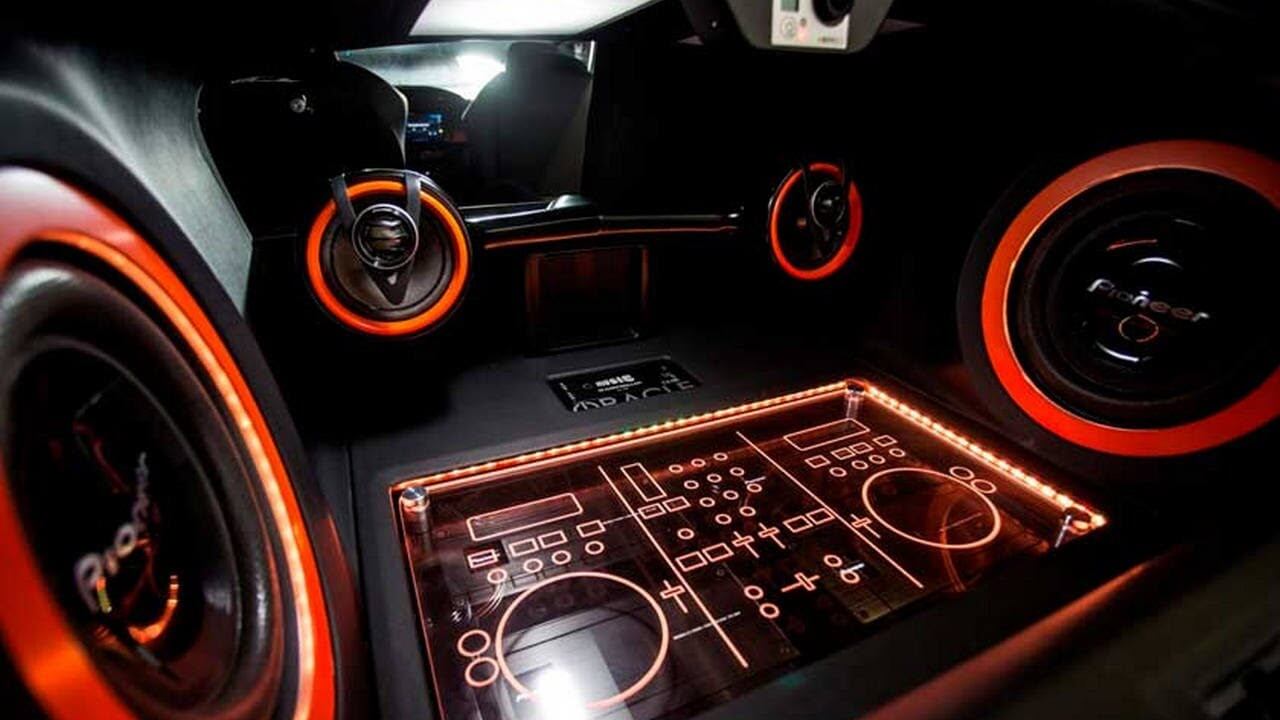
High-end custom installations cater to serious audiophiles. These projects involve custom speaker enclosures, multiple amplifiers, sound deadening, and precise tuning. Costs can exceed $5,000, but the results rival home theatre systems.
How Much Does It Cost to Put a Sound System in a Car?
Budget breakdowns vary considerably based on your goals. A basic upgrade with new speakers might cost $200-$400 for parts. Adding an amplifier and subwoofer pushes this to $600-$1,200. Premium component systems with custom installation easily reach $2,500 or more.
Labour costs in Australia typically range from $50-$100 per hour. Simple speaker swaps might take an hour or two. Complex installations involving custom fabrication can require 10+ hours. Always request quotes from multiple installers before committing.
DIY installation saves money but requires tools and confidence. Professional installation guarantees proper integration and often includes warranties on workmanship. For complex jobs involving dashboard removal or custom wiring, professionals are usually worth the investment.
Can I Install a Car Audio System Myself?
DIY installation requires basic tools including screwdrivers, panel removal tools, wire strippers, and a multimeter. You’ll also need patience and willingness to research your specific vehicle’s requirements.
The process generally involves removing interior panels, disconnecting factory speakers, connecting new components, and reassembling everything. Online tutorials and vehicle-specific guides make this achievable for most handy people. Start with simpler tasks like speaker replacement before attempting amplifier installations.
Call a professional when dealing with complex wiring, integrated factory systems, or when you’re uncomfortable removing dashboard components. Mistakes can damage expensive equipment or create electrical issues affecting your vehicle.
Choosing the Right Car Speakers
Coaxial speakers offer simplicity and value. They’re easier to install and work well in most applications. Component speakers provide superior sound quality through better driver placement and crossover networks. They require more installation effort but reward you with exceptional clarity.
Speaker sizes must match your vehicle’s existing locations. Common sizes include 5.25-inch, 6.5-inch, and 6×9-inch. Check compatibility before purchasing, as some vehicles require adapters or modifications.
Match speakers to your music preferences. Rock and pop fans benefit from speakers with strong midrange presence. Electronic and hip-hop listeners should prioritise bass response. Classical and acoustic enthusiasts need detailed highs and accurate reproduction.
Understanding Car Amplifiers and Subwoofers
Amplifiers improve sound quality by providing clean, consistent power. Factory head units typically produce 10-20 watts per channel—amplifiers deliver 50-100 watts or more. This extra power means better dynamics, lower distortion, and improved bass control.
Choosing the right wattage involves matching your amplifier to your speakers’ power handling. A speaker rated for 75 watts RMS pairs well with an amplifier producing 50-100 watts RMS. Too little power causes distortion; too much risks damage.
Subwoofers benefit different music genres in various ways. Hip-hop and electronic music showcase deep bass capabilities. Rock gains punch and impact. Even classical music benefits from accurate low-frequency reproduction. Consider enclosed subwoofers for easier installation, or custom boxes for maximum performance.
Connectivity, Common Problems, and Optimisation
Modern connectivity features transform how we interact with car audio. Bluetooth enables wireless streaming from smartphones. Apple CarPlay and Android Auto provide seamless integration with your phone’s apps. DAB+ digital radio, widely available across Australia, offers superior sound quality and station variety.
Common problems include electrical interference causing buzzing or whining noises. This often stems from poor grounding or running signal cables alongside power cables. Speaker damage from excessive volume or amplifier clipping is another frequent issue.
Getting the best sound involves proper equaliser settings tailored to your vehicle’s acoustics. Experiment with speaker positioning and angles where possible. Consider soundproofing doors and panels to reduce road noise and improve bass response.
Making Your Car Audio Dreams a Reality
Upgrading your car audio system doesn’t need to be overwhelming. Start by assessing your current setup and identifying what bothers you most. Prioritise spending on speakers, as they make the biggest difference to overall sound quality.
Whether you choose DIY installation or professional fitting, take your time researching options suited to your vehicle and budget. Australian retailers and installers offer excellent support, so don’t hesitate to ask questions and request demonstrations before committing.
Your daily commute deserves great sound. With the knowledge you’ve gained here, you’re ready to create an audio experience that transforms every journey into something special. So crank up the volume and enjoy the ride!