

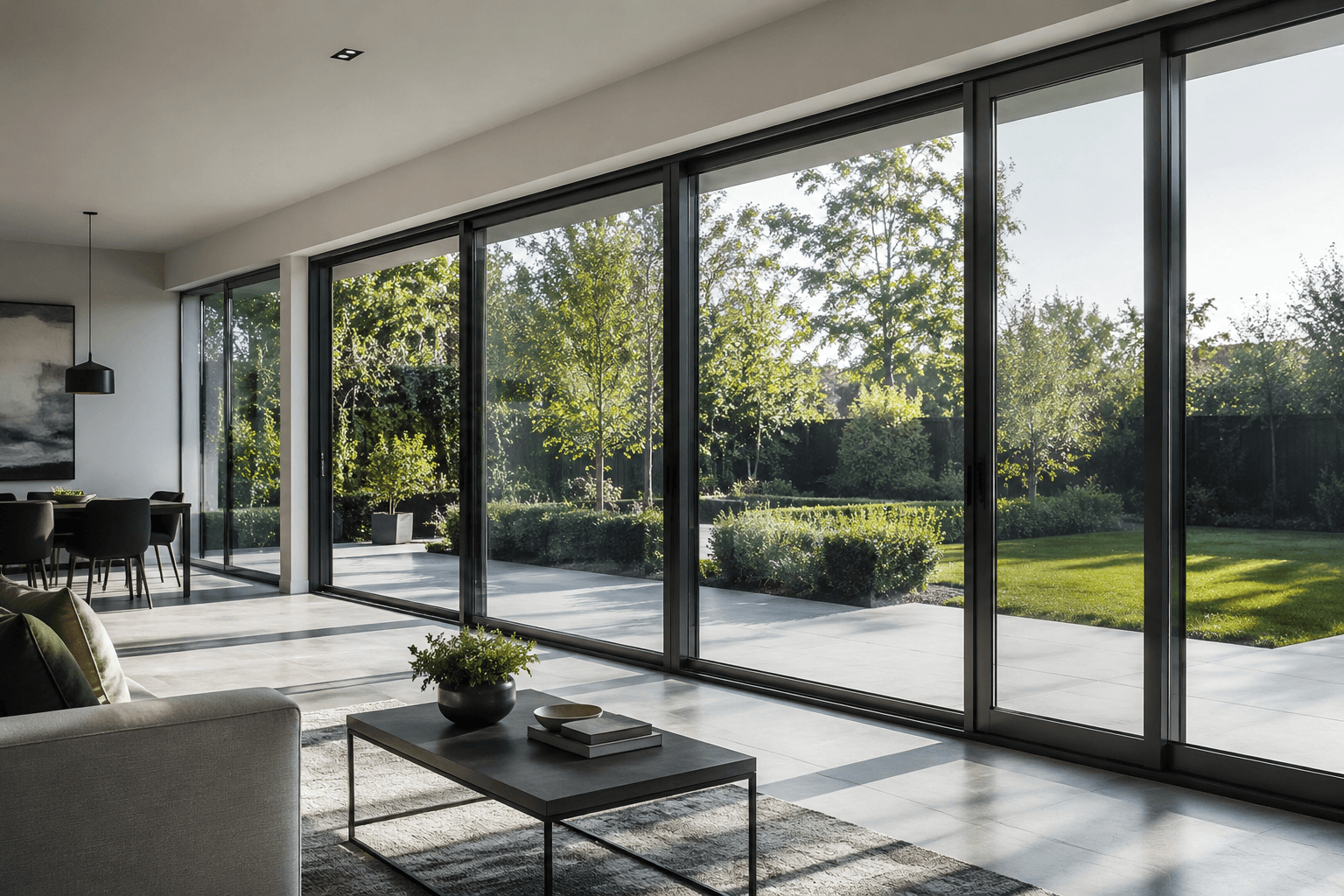
Have you been thinking about upgrading your windows but feeling overwhelmed by all the options out there? Are you wondering whether aluminium windows are worth the investment for your Australian home? And what about those claims that they’re the best choice for our harsh climate – is there any truth to them?
If you’ve found yourself asking these questions, you’re definitely not alone. Thousands of Australian homeowners are making the switch to aluminium windows every year, and for good reason. These sleek, modern frames offer a brilliant combination of strength, style, and practicality that’s hard to beat.
In this guide, we’ll explore everything you need to know about aluminium windows – from how they’re made to whether they’ll actually save you money on energy bills. We’ll compare them to uPVC alternatives, look at their security benefits, and help you decide if they’re the right fit for your property. Whether you’re building a new home or renovating an existing one, you’ll walk away with all the information you need to make a confident decision.
What Are Aluminium Windows?
How Aluminium Windows Are Made
Aluminium windows start their journey as raw aluminium, which is extracted from bauxite ore. The metal undergoes an extrusion process, where it’s heated and pushed through specially designed moulds to create the frame profiles. This manufacturing method allows for incredibly precise shapes and consistent quality across every single frame.
Once extruded, the frames receive a protective finish – usually powder coating or anodising. This coating isn’t just about colour; it creates a barrier against the elements that helps the frames last for decades. The finished profiles are then cut to size and assembled with corner joints, glazing seals, and hardware.
Types of Aluminium Window Styles Available
You’re spoilt for choice when it comes to aluminium window styles. Sliding windows are incredibly popular in Australia, offering easy operation and maximum ventilation. Awning windows hinge at the top and push outward, making them perfect for letting fresh air in even during light rain.
Casement windows swing open like a door and provide excellent airflow, while fixed windows don’t open at all but let in plenty of natural light. For a more contemporary look, bi-fold windows create a stunning connection between indoor and outdoor spaces. Plus, double-hung windows offer that classic aesthetic with modern performance.
Are Aluminium Windows Better Than uPVC?
Strength and Durability Comparison
This is where aluminium really shines. Aluminium frames are significantly stronger than their uPVC counterparts, which means they can support larger glass panels without flexing or warping. You’ll get those gorgeous, uninterrupted views with slimmer frame profiles.
uPVC can soften and distort in extreme heat – not ideal for Australian summers. Aluminium, on the other hand, maintains its structural integrity regardless of temperature. It won’t crack, swell, or become brittle over time, making it the more reliable long-term option.
Cost Differences Between Aluminium and uPVC Windows
Let’s talk money. uPVC windows typically cost less upfront, which makes them attractive for budget-conscious renovators. However, aluminium windows often prove more economical over their entire lifespan due to their superior longevity and minimal maintenance requirements.
When you factor in potential replacement costs and ongoing upkeep, aluminium frequently comes out ahead. The initial price difference has also narrowed considerably in recent years, making aluminium an increasingly accessible choice for Australian homeowners.
Which Option Suits Australian Conditions Best?
Australia’s climate can be brutal – scorching summers, coastal salt air, and intense UV exposure. Aluminium handles these challenges brilliantly. Its corrosion resistance makes it ideal for beachside properties, and it won’t fade or deteriorate under our harsh sun.
uPVC performs reasonably well in milder climates but can struggle in extreme conditions. For most Australian locations, particularly coastal and tropical areas, aluminium remains the smarter choice for lasting performance.
Top Benefits of Aluminium Windows for Your Home
Exceptional Durability and Longevity
Aluminium windows are built to last. With proper care, they’ll serve your home for 40 years or more – often outlasting the building itself. Unlike timber, they won’t rot, warp, or attract termites. Unlike uPVC, they won’t become brittle or discolour with age.
This durability translates to peace of mind. You won’t need to worry about costly replacements or extensive repairs down the track. It’s a genuine “fit and forget” solution that keeps on performing.
Low Maintenance Requirements
Busy lifestyle? Aluminium windows are incredibly easy to maintain. A quick wipe with soapy water every few months is usually all they need to stay looking fresh. There’s no painting, staining, or sealing required – ever.
The powder-coated finish resists scratches, chips, and fading, so your windows will look as good in twenty years as they do today. This low-maintenance nature saves you both time and money over the long term.
Sleek, Modern Aesthetic Appeal
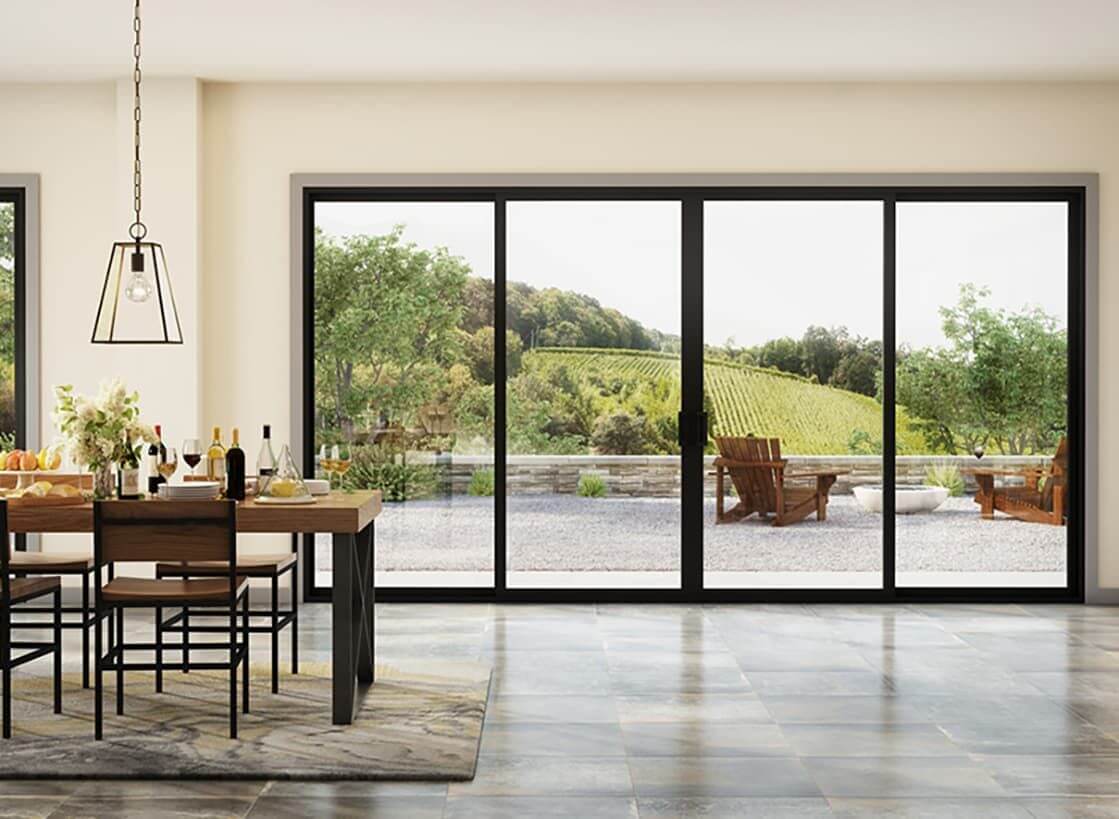
There’s no denying that aluminium windows look stunning. Their slim profiles maximise glass area, flooding your home with natural light. The clean lines and contemporary appearance complement both modern architecture and renovated heritage properties.
What’s more, the colour options are virtually endless. From classic black and white to bold custom shades, you can match your windows perfectly to your home’s style.
Superior Strength-to-Weight Ratio
Aluminium is remarkably light yet incredibly strong. This unique combination allows for larger window spans without compromising structural integrity. You can achieve those dramatic floor-to-ceiling windows without worrying about frame failure.
The lightweight nature also makes installation easier and puts less stress on your walls. It’s engineering excellence that delivers both practical and aesthetic benefits.
Eco-Friendly and Fully Recyclable
Here’s something worth noting: aluminium is 100% recyclable without losing quality. In fact, around 75% of all aluminium ever produced is still in use today. Choosing aluminium windows supports a circular economy and reduces environmental impact.
The recycling process uses just 5% of the energy required to produce new aluminium. So when your windows eventually reach the end of their life, they won’t end up in landfill – they’ll become something new.
Do Aluminium Windows Improve Energy Efficiency?
Thermal Break Technology Explained
Modern aluminium windows incorporate thermal break technology, which addresses the material’s natural conductivity. A thermal break is essentially an insulating barrier – usually made from polyamide – inserted between the inner and outer sections of the frame.
This clever design prevents heat transfer through the frame, keeping your home cooler in summer and warmer in winter. It’s a game-changer that makes aluminium windows genuinely energy-efficient.
How Aluminium Windows Can Reduce Energy Bills
When paired with double glazing, thermally broken aluminium windows can significantly reduce your heating and cooling costs. Less heat escaping in winter means your heater works less. Less heat entering in summer means your air conditioning isn’t running constantly.
Many Australian homeowners report noticeable reductions in their energy bills after upgrading to quality aluminium windows. The savings add up year after year, helping offset the initial investment.
Are Aluminium Windows Good for Security?
Built-In Strength Against Break-Ins
Aluminium’s inherent strength makes it naturally resistant to forced entry. The frames are incredibly difficult to bend, break, or pry open, providing a solid first line of defence against intruders. This built-in toughness gives you genuine peace of mind.
Advanced Locking Systems and Options
Beyond the frames themselves, aluminium windows accommodate sophisticated multi-point locking systems. These distribute the locking force across several points, making the window far more secure than single-point alternatives. Many options meet or exceed Australian security standards.
How Long Do Aluminium Windows Last?
Lifespan Compared to Other Window Materials
Aluminium windows typically last 40-50 years with minimal maintenance. Compare that to timber (15-25 years with regular upkeep) or uPVC (20-35 years), and the longevity advantage becomes clear. You’re investing in windows that could serve multiple generations.
Factors That Affect Longevity
Quality of manufacture, proper installation, and environmental conditions all influence lifespan. Coastal properties may require more frequent cleaning to remove salt deposits, but the frames themselves will still perform brilliantly for decades.
Choosing the Right Aluminium Windows for Your Property
Residential vs Commercial Applications
Aluminium works beautifully in both settings. Residential applications benefit from the aesthetic appeal and energy efficiency, while commercial properties appreciate the durability and minimal maintenance. The versatility is remarkable.
Colour and Finish Options
From subtle neutrals to bold statements, the powder-coating process offers hundreds of colour choices. Matt, satin, and gloss finishes provide additional customisation options, ensuring your windows complement your property perfectly.
Is It Time to Upgrade to Aluminium Windows?
After exploring all these benefits, the case for aluminium windows is pretty compelling. They offer unmatched durability, minimal maintenance, outstanding aesthetics, and genuine energy efficiency. For Australian conditions specifically, they’re often the smartest choice.
The upfront investment might be slightly higher than some alternatives, but the long-term value is undeniable. Between energy savings, zero maintenance costs, and a lifespan measured in decades, aluminium windows frequently prove the most economical option over time. Plus, they can boost your property’s value significantly.
So, if you’re building, renovating, or simply tired of struggling with old, inefficient windows, now might be the perfect time to make the switch. Chat with a reputable local supplier, get some quotes, and see how aluminium windows could transform your property. Your future self – enjoying a comfortable, stylish, and energy-efficient home – will thank you for it.