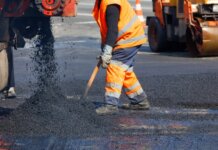


Welcome, dear readers! Have you ever wondered why during any construction project, amid a crowd of workers, a select group is focused on managing concrete? Or perhaps, do you understand who professional concreters are and the vital role they play in structuring the very foundation of our houses, offices, and skyscrapers? If not, then this blog post is for you.
In this comprehensive guide, we will delve deep into the world of professional concreters – understand their crucial role, the versatile skills they possess, and why they are an integral part of the construction ecosystem. Throughout our discussion, we will strive to make a compelling argument as to why these unsung heroes, working with one of the most widely used construction materials – concrete, deserve more recognition.
Whether you’re someone who’s interested in understanding the nuts and bolts of the construction industry, a budding architecture student, or simply a curious reader, we assure you – this post will be an enlightening read!
Who Are Professional Concreters?
Professional concreters, often regarded as the backbone of any construction project, are specialists trained to manage, handle and work with concrete in its various forms. They are responsible for casting and mending concrete structures – providing the fundamental base that shapes buildings. This job isn’t merely about mixing cement, water, and aggregate. It requires expertise, mastery over tools, meticulous planning, and a profound understanding of blueprints, making it a niche skill.
The arena of concreting catches light when we observe that the aesthetic appeal of buildings also falls under its purview. Polished concrete floors, decorative panels, and landscaping elements bring an added dimension to this versatile profession.
Why Are Professional Concreters Essential?
In a world where concrete is omnipresent—spanning from the sidewalks we tread upon to the high-rising buildings we behold—this profession’s importance only magnifies. They ensure the construct’s longevity, safety, and stability while also adding an aesthetic appeal to the completed structure. A well-laid concrete can withstand severe weather conditions and time test, with minimal maintenance needs. Can we think of a building without solid, reliable concrete work?
Moreover, their work encompasses not merely the exteriors but also the aesthetics of interiors. With an eye for detail, they can transform a plain concrete floor into a stunning masterpiece, thus amplifying a space’s overall look.
What Skills Make A Skilled Concreter?
Apart from physically demanding tasks, professional concreters need a diverse range of skills. They should have a good understanding of mathematical concepts, given the nature of the work, involving measurements and estimates. Moreover, a skilled concreter must have a keen eye for detail.
Good conformity with safety protocols, the ability to work as a team, and solid problem-solving skills are also integral attributes. Moreover, staying current with the latest trends in the concrete industry and familiarizing themselves with new concrete materials or tools can set them apart in this dynamic profession.
The Pros And Cons Of Concreting
Like any profession, concreting too has its share of advantages and challenges. On the bright side, it boasts consistent demand, offers endless opportunities for creativity, and presents the satisfying experience of creating tangible structures from raw elements. On the downside, it’s physically demanding, exposes workers to harsh working conditions, and the tight project deadlines can intensify the pressure.
The Future Of Concreting: Emerging Trends
Could concreting innovate? Absolutely! Today, the concreting profession is at the cusp of several exciting new trends. With the advent of sustainable concrete, decorative concreting, 3D-printed concrete structures etc., it appears the remodelled world of concreters is set to change the face of construction as we know it.
Beyond Concrete Structures: The Role Of Concreters In Our Lives
This profession extends beyond just constructing concrete structures. It’s about building communities, infrastructure, and most importantly, tangible progress we witness every day.
To conclude, it’s not hard to appreciate the remarkable skill, precision, and artistry professional concreters bring to our built environment. They diligently shape our communities and literally lay the foundations of our homes, workplaces, and public spaces. Their work may often go unnoticed or unappreciated, but understanding their significant role, one cannot deny the sheer importance of these remarkable craftsmen. From the kitchen sink we wash our dishes in, to the apartment we call home, every concrete structure we interact daily is their testament – professional concreters truly shape the world we live in!