

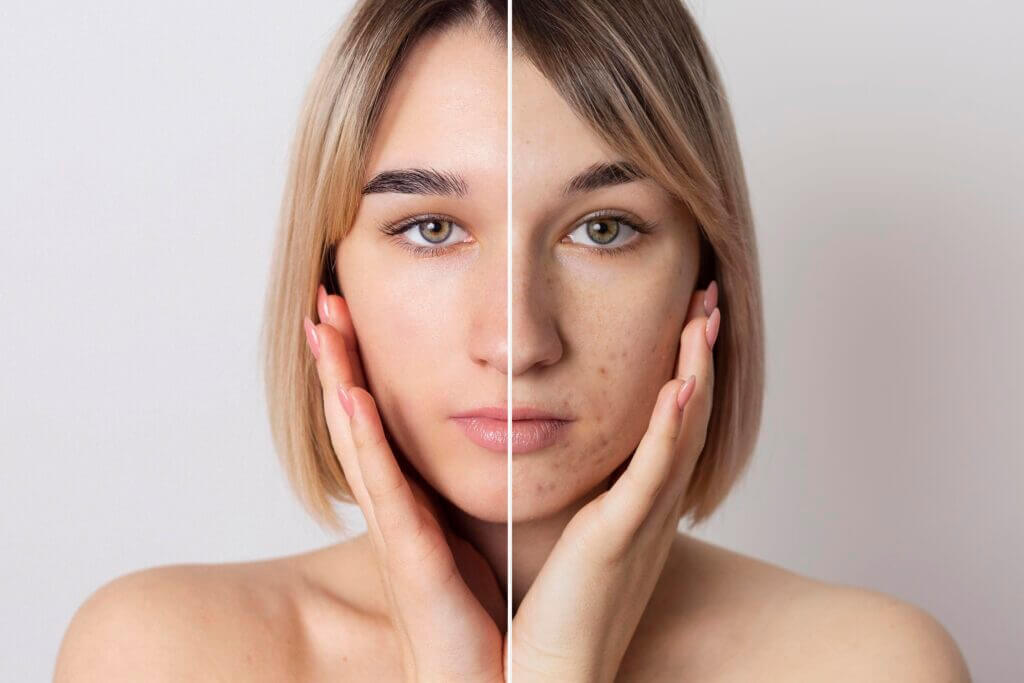
Have you ever wondered why two people can have the same cosmetic treatment yet experience completely different results? What if the secret to getting the best outcomes from biostimulator treatments lies not in the product itself, but in understanding your unique skin? And could choosing the wrong approach actually do more harm than good?
These questions matter more than ever as biostimulators continue gaining popularity across Australia. These innovative treatments promise to rejuvenate skin from within by stimulating your body’s natural collagen production. However, the catch is that not all skin responds the same way. Your skin type plays a pivotal role in determining how well these treatments work, what risks you might face, and which products suit you best.
In this article, we’ll explore everything you need to know about matching biostimulators to your skin type. From understanding the science behind collagen stimulation to learning how different skin characteristics affect treatment outcomes, you’ll walk away with the knowledge to make informed decisions. Whether you’ve got oily, dry, sensitive, or melanin-rich skin, we’ll cover the essential considerations for achieving optimal results safely.
What Are Biostimulators and How Do They Work?
The Science Behind Collagen Stimulation
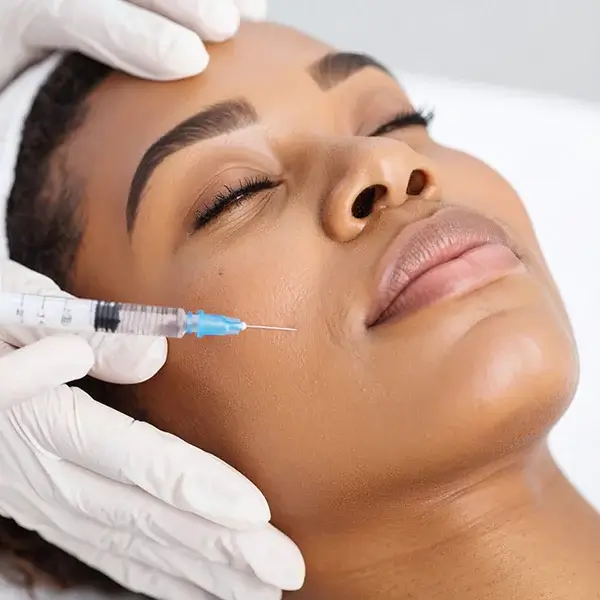
Biostimulators are injectable treatments designed to kickstart your body’s natural collagen production. Unlike dermal fillers that add volume immediately, biostimulators work gradually over several months. They trigger a controlled inflammatory response that signals your body to produce fresh collagen and elastin.
The process is quite fascinating. When injected beneath the skin, these substances create a scaffold-like structure. Your body recognises this and responds by generating new tissue around it. Over time, this results in firmer, more youthful-looking skin with improved texture and tone.
Popular Types of Biostimulators Available in Australia
Several biostimulators have gained approval for use in Australia. Poly-L-lactic acid (PLLA) based products are among the most popular, working by stimulating gradual collagen renewal over 12 to 24 months. Calcium hydroxylapatite (CaHA) products offer both immediate volumising effects and long-term collagen stimulation.
More recently, polynucleotide-based biostimulators have entered the market. These work by improving skin hydration and elasticity while promoting cellular regeneration. Each type has its strengths, making the choice dependent on individual skin needs and treatment goals.
Understanding the Different Skin Types
The Fitzpatrick Scale Explained
The Fitzpatrick Scale classifies skin into six types based on how it responds to sun exposure. Type I is very fair skin that always burns and never tans, while Type VI is deeply pigmented skin that never burns. This classification is crucial for biostimulator treatments because it helps predict how your skin might react to procedures.
Understanding where you fall on this scale helps practitioners assess your risk of post-inflammatory hyperpigmentation and other complications. It’s not just about colour—it’s about how your skin heals and responds to trauma.
Oily, Dry, Combination and Sensitive Skin Characteristics
Beyond the Fitzpatrick Scale, your skin’s behaviour matters too. Oily skin produces excess sebum, potentially affecting how products settle and integrate. Dry skin may show signs of ageing earlier but often responds well to hydrating biostimulators. Combination skin presents unique challenges, requiring tailored approaches for different facial zones.
Sensitive skin requires extra caution. It’s more prone to reactions, redness, and prolonged recovery times. Identifying these characteristics beforehand allows practitioners to adjust techniques and product choices accordingly.
How Ageing Affects Your Skin Type Over Time
Here’s something many people don’t realise: your skin type isn’t static. Hormonal changes, environmental factors, and natural ageing all influence how your skin behaves. Someone with oily skin in their twenties might develop drier skin by their fifties.
This shift affects treatment planning significantly. A biostimulator that worked brilliantly five years ago might not be the best choice today. Regular reassessment ensures your treatment plan evolves with your changing skin.
Why Does Skin Type Matter for Biostimulator Treatments?
How Different Skin Types Respond to Biostimulators
Different skin types metabolise and respond to biostimulators in varying ways. Thicker, oilier skin often tolerates treatments well but may require more product for visible results. Thinner, drier skin might show improvements faster but could also be more susceptible to irregularities.
Melanin-rich skin types face unique considerations. While biostimulators can be highly effective, the risk of pigmentation changes requires careful technique and product selection. Understanding these nuances helps achieve consistent, predictable outcomes.
Risk Factors and Complications Based on Skin Type
Certain skin types carry higher risks for specific complications:
Sensitive skin: Increased likelihood of prolonged redness and swelling
Darker skin tones: Greater risk of post-inflammatory hyperpigmentation or hypopigmentation
Thin skin: Higher chance of nodule visibility
Acne-prone skin: Potential for breakouts post-treatment
Being aware of these factors allows for preventive measures and appropriate aftercare protocols.
What Happens If You Choose the Wrong Treatment for Your Skin?
Mismatched treatments can lead to disappointing results at best and complications at worst. You might experience uneven results, visible lumps, or prolonged inflammation. In some cases, correction procedures become necessary, adding cost and recovery time.
This is precisely why a thorough skin assessment before any biostimulator treatment isn’t optional—it’s essential.
Can All Skin Types Benefit from Biostimulators?
Best Biostimulator Options for Each Skin Type
The good news is that most skin types can benefit from biostimulators when matched correctly. PLLA-based products work well for those seeking gradual, natural-looking improvement across various skin types. CaHA products suit individuals wanting both immediate and long-term benefits.
For sensitive or reactive skin, polynucleotide-based options often prove gentler while still delivering results. Your practitioner should recommend products based on your specific skin profile, not just general preferences.
Who Should Avoid Biostimulator Treatments?
While biostimulators suit many people, they’re not for everyone. Those with active skin infections, autoimmune conditions affecting the skin, or a history of keloid scarring should proceed with extreme caution or avoid treatment entirely. Pregnant or breastfeeding women should also wait.
People with unrealistic expectations might also be better suited to alternative treatments. Biostimulators work gradually—if you’re after instant transformation, other options might serve you better.
How to Determine Your Skin Type Before Treatment
Professional Skin Assessments: What to Expect
A professional skin assessment goes beyond a quick visual check. Practitioners examine your skin’s texture, elasticity, pigmentation patterns, and overall health. They’ll ask about your skincare routine, sun exposure habits, and any previous treatments or reactions.
Advanced clinics might use imaging technology to analyse deeper skin layers. This thorough approach ensures no surprises during or after treatment.
At-Home Methods for Identifying Your Skin Type
While professional assessment is ideal, you can gain insights at home. The bare-face method involves cleansing your face and waiting an hour without applying products. Observe how your skin feels—tight and flaky indicates dry skin, shiny and slick suggests oily skin.
Taking note of how your skin reacts to new products or environmental changes also provides valuable information to share with your practitioner.
What Should You Ask Your Practitioner About Biostimulators?
Essential Questions Before Your Consultation
Come prepared with questions:
– Which biostimulator do you recommend for my skin type and why?
– What results can I realistically expect?
– How many sessions will I need?
– What are the potential risks for my specific skin?
– What’s your experience treating skin similar to mine?
These questions demonstrate you’re an informed patient and help establish clear expectations.
Red Flags to Watch Out For
Be cautious of practitioners who offer one-size-fits-all approaches or dismiss your skin type concerns. Rushing through consultations, avoiding questions about their experience, or pushing for immediate treatment without proper assessment are warning signs.
A reputable practitioner welcomes questions and takes time to explain their recommendations thoroughly.
Are Biostimulators Safe for Sensitive or Darker Skin Tones?
Special Considerations for Melanin-Rich Skin
Absolutely, biostimulators can be safe and effective for darker skin tones when administered correctly. The key lies in choosing practitioners experienced with diverse skin types. They’ll understand the importance of appropriate injection depth, product selection, and post-treatment protocols.
Studies show excellent outcomes in melanin-rich skin when these factors are properly addressed.
Managing Sensitivity and Reducing Adverse Reactions
For sensitive skin, pre-treatment preparation becomes crucial. This might include specific skincare protocols in the weeks beforehand. During treatment, practitioners may use gentler techniques or lower concentrations initially.
Post-treatment, following aftercare instructions meticulously reduces reaction risks. This includes avoiding certain products, protecting skin from sun exposure, and attending follow-up appointments.
Maximising Your Biostimulator Results Based on Skin Type
Pre-Treatment Preparation Tips
Preparation sets the stage for success. Stop using retinoids and exfoliating acids at least a week before treatment. Stay well-hydrated and avoid alcohol, which can increase bruising. If you have sensitive skin, discuss whether antihistamines or other preventive measures might help.
Post-Treatment Care for Optimal Outcomes
Aftercare varies by skin type. Oily skin types should avoid heavy moisturisers initially, while dry skin benefits from extra hydration. Everyone should avoid intense exercise, saunas, and direct sun exposure for several days.
Gentle facial massage (as directed by your practitioner) helps distribute the product evenly and may improve results.
Making Informed Decisions for Your Skin
Understanding your skin type isn’t just helpful when considering biostimulators—it’s absolutely essential. From determining which product suits you best to predicting potential complications and optimising your results, your skin’s unique characteristics influence every aspect of treatment success.
The journey to rejuvenated skin starts with knowledge. By understanding the Fitzpatrick Scale, recognising your skin’s behavioural patterns, and knowing how ageing affects these factors, you’re equipped to have meaningful conversations with practitioners. You can ask the right questions, spot red flags, and ensure the treatment plan truly suits your individual needs.
Whether you have fair, dark, oily, dry, or sensitive skin, biostimulators can offer remarkable benefits when matched correctly to your skin type. Take the time to find an experienced practitioner who prioritises thorough assessment over quick treatments. Your skin deserves nothing less than an approach tailored specifically to its unique needs—and now you know exactly why that matters.