
Ever wondered why some buildings feel secure the moment you walk in, while others leave you questioning their safety measures? Have you noticed how smoothly people flow through busy train stations or stadiums without chaos? The secret often lies in something many overlook: the humble turnstile gate.
Choosing the right pedestrian turnstile for your facility isn’t just about slapping any barrier at the entrance and calling it a day. It’s a decision that impacts security, user experience, and your bottom line for years to come. Whether you’re managing a corporate office in Sydney, a leisure centre in Melbourne, or an industrial site in Perth, the turnstile gate you select can make or break your access control strategy.
In this guide, we’ll walk you through everything you need to know about selecting the perfect turnstile gate for your specific needs. You’ll discover the different types available, understand the key factors influencing your choice, and learn how to avoid costly mistakes. By the end, you’ll feel confident making a decision that keeps your facility secure while keeping foot traffic moving smoothly.
What Is A Turnstile Gates And How Does It Work?
The Basic Mechanics Behind Turnstile Gates
At its core, a turnstile gate is a physical barrier that allows one person to pass through at a time. Think of it as a gatekeeper that never takes a break. When someone presents valid credentials—whether that’s a swipe card, biometric scan, or ticket—the turnstile unlocks and permits entry. Once they’ve passed through, it locks again, ready for the next person.
The beauty of this system lies in its simplicity. It creates a controlled chokepoint where you can monitor, count, and manage everyone entering or exiting your facility. Modern turnstile gates have evolved far beyond the clunky metal barriers of the past, now incorporating sophisticated sensors and sleek designs.
Key Components You Should Know About
Every turnstile gate shares several essential components. The barrier mechanism itself—whether rotating arms, glass panels, or full-height bars—forms the physical obstacle. Then there’s the control unit, which processes access credentials and decides whether to grant entry. Sensors detect movement and prevent tailgating, while the housing protects internal electronics. Understanding these components helps you make informed maintenance decisions down the track.
Types of Turnstile Gates: Which One Suits Your Needs?
Tripod Turnstile Gates
These are the workhorses of the turnstile world. Featuring three rotating arms at waist height, tripod turnstiles offer a cost-effective entry point into access control. They’re compact, reliable, and perfect for environments where space is tight. You’ll commonly spot them in gyms, office lobbies, and smaller venues across Australia.
Full-Height Turnstile Gates
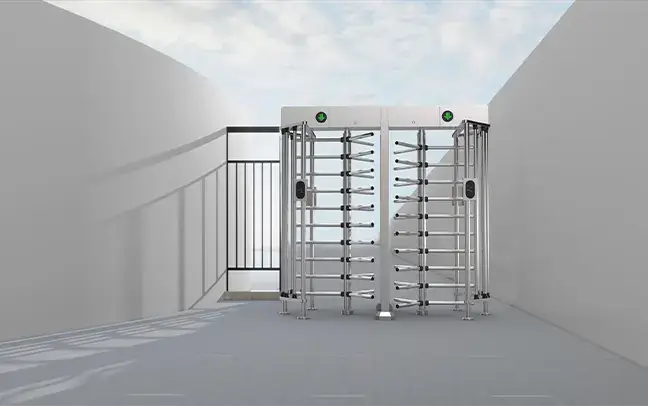
When security is your top priority, full-height turnstiles deliver. These imposing barriers extend from floor to ceiling, making them nearly impossible to climb over or crawl under. They’re ideal for industrial sites, prisons, and high-security government facilities where unauthorised access simply isn’t an option.
Waist-Height And Optical Turnstile Gates
Waist-height turnstiles strike a balance between security and aesthetics. They’re less intimidating than full-height options while still providing solid access control. Optical turnstiles, on the other hand, use infrared sensors to detect passage without physical barriers. These sleek units suit modern corporate environments where first impressions matter.
Speed Gates And Swing Barriers
For high-traffic areas requiring quick throughput, speed gates are your best bet. They open and close rapidly, processing large volumes of people efficiently. Swing barriers work similarly but accommodate wheelchairs and trolleys, making them essential for accessible design.
What Are the Benefits of Installing A Turnstile Gate?
Enhanced Security And Access Control
A turnstile gate transforms your entrance from an open door to a controlled checkpoint. Every entry gets logged, every credential gets verified, and every attempt at unauthorised access gets flagged. This level of control simply isn’t achievable with traditional doors or manual security checks.
Improved Traffic Flow Management
Beyond security, turnstiles excel at managing crowds. During peak hours, they prevent bottlenecks by maintaining a steady, predictable flow of people. This proves invaluable for stadiums during events or transport hubs during rush hour.
Cost Savings Over Time
While the upfront investment might seem significant, turnstiles often pay for themselves. They reduce the need for security personnel at entry points and provide accurate attendance data. Plus, they operate around the clock without breaks, sick days, or overtime pay.
Key Factors To Consider When Choosing A Turnstile Gate
Assessing Your Facility’s Security Requirements
Start by honestly evaluating your security needs. A boutique gym in Brisbane has vastly different requirements than a mining site in Western Australia. Consider what you’re protecting, who might try to gain unauthorised access, and the consequences of a security breach.
Understanding Foot Traffic Volume And Peak Hours
How many people pass through your entrance daily? What about during your busiest periods? A turnstile that handles 500 people smoothly might create frustrating queues when faced with 2,000. Always plan for peak capacity, not average usage.
Indoor vs Outdoor Installation Considerations
Outdoor installations face unique challenges. Australian weather can be brutal—scorching summers, driving rain, and coastal salt air all take their toll. Outdoor turnstiles need weatherproofing, UV-resistant materials, and robust construction to withstand the elements.
Integration With Existing Access Control Systems
Your new turnstile gate needs to play nicely with existing systems. Whether you’re using card readers, biometric scanners, or visitor management software, compatibility matters. Check integration options before committing to avoid costly workarounds later.
Accessibility And Compliance Requirements In Australia
Australian facilities must comply with disability access standards. This typically means providing at least one wider lane for wheelchair users and those with mobility aids. Failing to meet these requirements isn’t just bad form—it’s potentially illegal.
Common Mistakes To Avoid When Selecting A Turnstile Gate
Many facilities underestimate their traffic volume, leading to frustrating queues and bottlenecks. Others prioritise aesthetics over functionality, ending up with beautiful but impractical solutions. Ignoring accessibility requirements creates legal headaches and excludes potential users.
Perhaps the biggest mistake is treating turnstile selection as a purely technical decision. Consider the user experience. A turnstile that frustrates staff daily will generate complaints and workarounds that undermine your security goals.
How Do You Maintain A Turnstile Gate For Longevity?
Regular maintenance keeps your turnstile gate functioning reliably for years. Schedule periodic inspections to check mechanical components, clean sensors, and update software. Address minor issues promptly before they become major repairs.
Keep the area around your turnstiles clean and clear. Debris can jam mechanisms, while spilled liquids can damage electronics. Train staff to report unusual sounds or behaviours immediately—early intervention prevents costly breakdowns.
Making The Right Choice For Your Facility
Selecting the perfect turnstile gates comes down to understanding your specific needs and matching them with the right solution. Consider your security requirements, traffic patterns, environment, and budget. Don’t forget accessibility compliance and integration with existing systems.
The investment you make today will serve your facility for years, if not decades. Take the time to research thoroughly, consult with reputable suppliers, and consider visiting sites with similar installations. Seeing turnstiles in action often clarifies what works best for your situation.
Ultimately, the right turnstile gate balances security, efficiency, and user experience. It should protect your facility without creating barriers that frustrate legitimate users. When you find that sweet spot, you’ll wonder how you ever managed without it. Ready to take the next step? Reach out to local access control specialists who can assess your facility and recommend tailored solutions.