

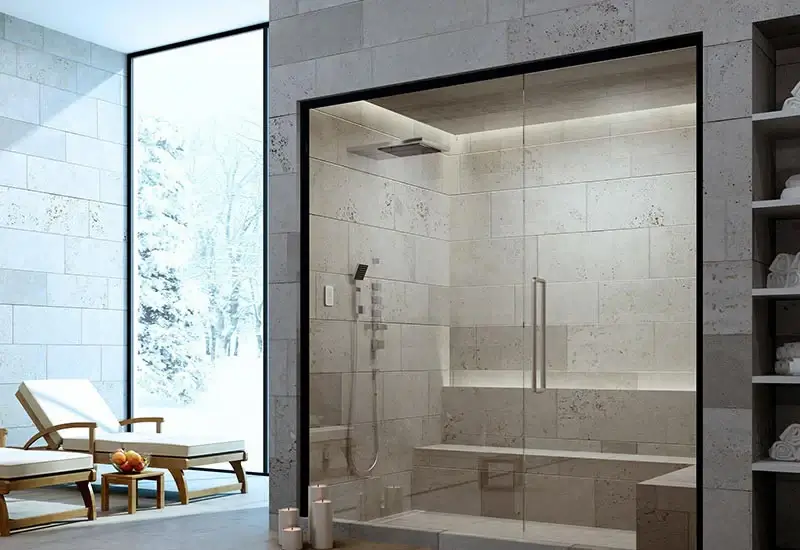
Creating a spa-like environment at home is no longer a luxury reserved for high-end wellness centres. Many homeowners are now exploring options such as saunas and steam rooms to improve relaxation, support recovery, and enhance daily wellbeing. However, choosing between the two is not always straightforward, as each offers distinct benefits and practical considerations.
If you are considering a Steam room Installation, it is important to understand how it compares with a sauna in terms of function, comfort, and long-term suitability. This guide outlines the key differences to help you make a confident and informed decision.
Understanding the Basics
Before comparing features, it helps to clarify what each option involves.
A sauna uses dry heat, typically generated by electric heaters, wood-burning stoves, or infrared panels. The temperature is usually high, often ranging between 70°C and 100°C, with low humidity levels.
A steam room, on the other hand, produces moist heat. Steam generators fill the enclosed space with warm vapour, creating a humid environment where temperatures are generally lower, around 40°C to 50°C, but with near 100% humidity.
While both aim to promote relaxation and wellbeing, the experience they provide is noticeably different.
Heat and Humidity: The Core Difference
The most defining distinction between a sauna and a steam room lies in the type of heat.
Saunas deliver intense dry heat. This creates a warming sensation that encourages sweating quickly, making it ideal for those who enjoy a more intense thermal experience. The air feels light and breathable, even at higher temperatures.
Steam rooms, by contrast, surround you with moist heat. The high humidity makes the environment feel warmer than it actually is. This can be particularly soothing for the skin and respiratory system, offering a gentler and more enveloping experience.
Choosing between the two often comes down to personal comfort. Some people prefer the sharp heat of a sauna, while others favour the softer, humid atmosphere of a steam room.
Health and Wellness Benefits
Both options are widely associated with relaxation and general wellbeing, though they offer slightly different advantages.
Saunas are often favoured for:
- Promoting muscle relaxation after physical activity
- Encouraging circulation through high heat exposure
- Providing a dry environment that some find easier to tolerate
Steam rooms are commonly chosen for:
- Supporting skin hydration due to moisture-rich air
- Helping to open airways and ease breathing
- Offering a more comfortable option for longer sessions
While these benefits are widely recognised, individual experiences can vary. It is always advisable to consider personal health conditions and consult a professional where necessary.
Installation Requirements and Practical Considerations
When deciding between a sauna and a Steam room Installation, the setup requirements can significantly influence your choice.
Saunas are generally easier to install. Many models come as pre-built units that can be placed in a suitable indoor or outdoor space. They require proper ventilation and electrical connections but are relatively straightforward compared to steam systems.
Steam rooms, however, demand more planning. They must be fully enclosed and waterproofed to contain moisture effectively. Walls, ceilings, and seating areas need to be designed to handle constant humidity, and a reliable steam generator must be installed.
This means steam rooms are often better suited to more permanent home renovation projects, whereas saunas can sometimes be added with less structural adjustment.
Maintenance and Upkeep
Maintenance is another important factor to consider.
Saunas typically require minimal upkeep. Regular cleaning and occasional inspection of heating elements are usually sufficient to keep them functioning well.
Steam rooms require more attention due to the high moisture levels. Proper ventilation and routine cleaning are essential to prevent mould or mildew. The steam generator also needs periodic maintenance to ensure consistent performance.
If ease of maintenance is a priority, a sauna may offer a more convenient option. However, with proper care, a steam room can remain in excellent condition for years.
Space and Design Flexibility
The amount of available space can also influence your decision.
Saunas are often more flexible in terms of placement. Compact models can fit into smaller areas, making them suitable for homes with limited space.
Steam rooms typically require a dedicated, sealed enclosure. This makes them better suited for bathrooms or custom-built wellness areas where moisture control can be managed effectively.
Design preferences also play a role. Saunas often feature wooden interiors that create a warm, natural aesthetic, while steam rooms are commonly finished with tiles or stone for durability and style.
Cost Considerations
Cost is always a key factor in home improvements.
Saunas can vary widely in price depending on size and type, but they are often more affordable to install initially. Their simpler setup contributes to lower installation costs.
Steam rooms tend to be more expensive due to the need for waterproofing, specialised materials, and additional labour. However, many homeowners consider the investment worthwhile for the enhanced comfort and luxurious feel it provides.
Long-term running costs should also be considered, as both systems consume energy differently.
Key Factors to Help You Decide
If you are still weighing your options, consider the following points:
- Comfort preference: Do you prefer dry heat or humid warmth?
- Available space: Do you have room for a sealed enclosure or a compact unit?
- Installation complexity: Are you planning a full renovation or a simple addition?
- Maintenance commitment: Are you prepared for regular moisture management?
- Budget: Does your budget allow for structural modifications if needed?
Taking the time to assess these factors can make the decision clearer and more aligned with your lifestyle.
Which Option Is Right for You?
There is no universal answer when choosing between a sauna and a steam room. The right choice depends on how you intend to use the space and what kind of experience you value most.
A sauna may be ideal if you prefer higher temperatures, lower humidity, and a simpler installation process. It suits those looking for a straightforward and efficient way to relax.
A steam room, on the other hand, offers a more immersive and soothing environment. If you prioritise comfort, skin hydration, and a spa-like atmosphere, a steam room could be the better option.
Conclusion
Both saunas and steam rooms provide valuable ways to enhance relaxation and wellbeing at home. While they share similar goals, their differences in heat, humidity, installation, and maintenance make each suited to different preferences and spaces.
Carefully considering your comfort, budget, and available space will help you make the right choice. Whether you opt for the dry heat of a sauna or the enveloping warmth of a steam room, both can transform your home into a more calming and restorative environment.