
Have you ever watched rainwater pooling on your driveway during a downpour and wondered where it all goes? Or perhaps you’ve noticed those unsightly puddles that seem to linger for days after a storm? What if there was a way to transform your outdoor space while actually helping the environment at the same time?
Permeable paving systems are quickly becoming the go-to choice for Australian homeowners who want both style and sustainability. These clever surfaces allow water to drain naturally through the pavement, reducing runoff and giving your property a modern, eco-friendly upgrade. Whether you’re looking at permeable brick pavers, porous concrete driveways, or even driveway pavers with grass, there’s an option to suit every taste and budget.
In this article, we’ll explore everything you need to know about water-permeable driveways and permeable paving solutions. From understanding how they work to finding the right paving company, we’ve got you covered. You’ll discover the different types of permeable paving available, learn about installation and maintenance, and gain insights into why so many Australians are making the switch from traditional impervious driveways. Let’s get started!
What Are Permeable Paving Systems?
How Do Permeable Pavers Work?
Permeable paving systems are designed with gaps, pores, or special materials that allow water to pass through the surface. Instead of running off into stormwater drains, rainwater filters down through the pavement and into the ground below. It’s a simple concept that makes a massive difference to urban water management.
The magic happens in the layers beneath the surface. A typical permeable driveway features a bedding layer of fine aggregate, followed by a reservoir base of larger crushed stone. This base temporarily stores water before it gradually soaks into the soil. The result? Less flooding, cleaner waterways, and a driveway that handles heavy rain like a champion.
Permeable Brick Pavers vs. Pervious Concrete Driveways: What’s the Difference?
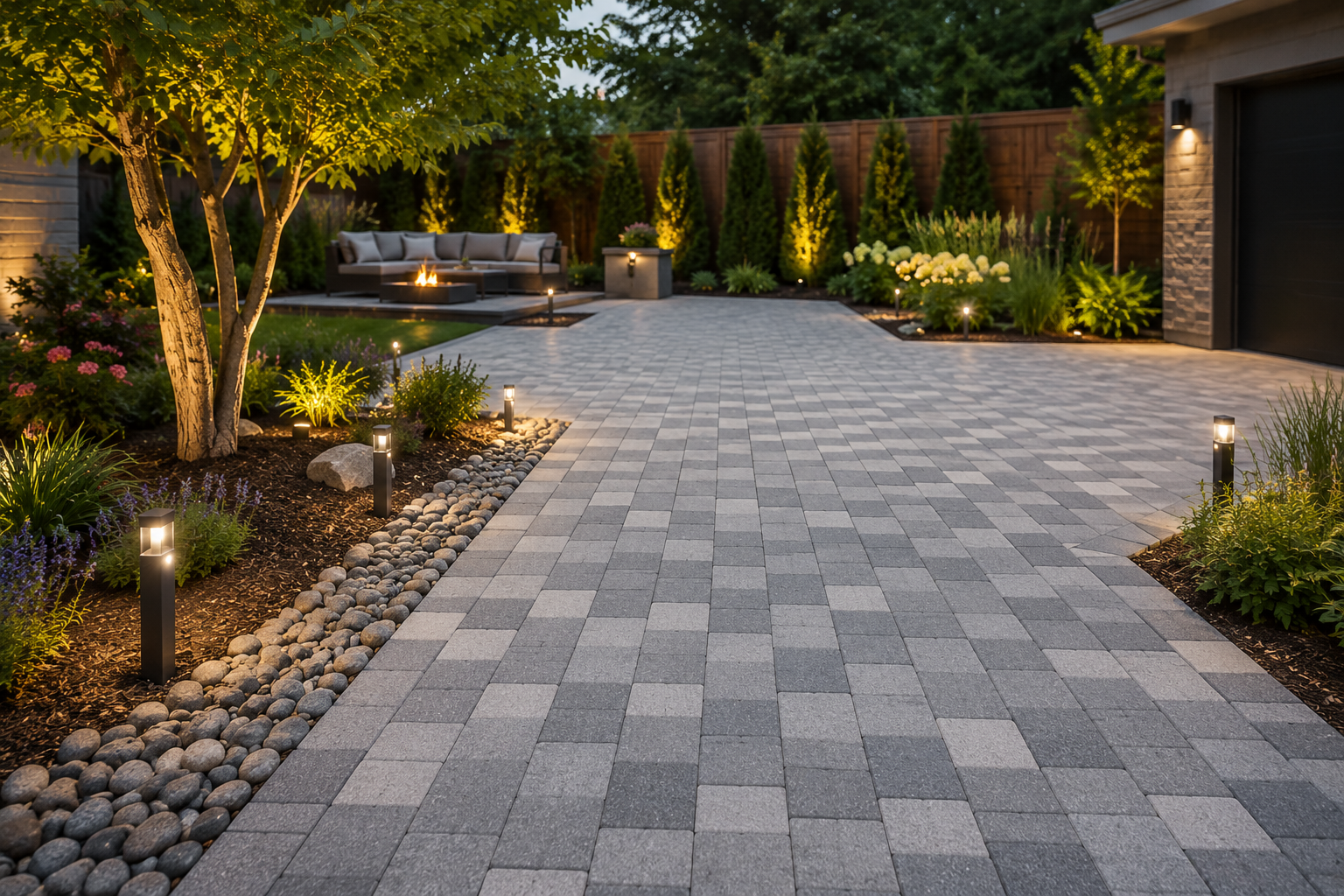
When comparing permeable brick pavers to pervious concrete driveways, the main distinction lies in their construction. Permeable brick pavers are individual units laid with deliberate gaps filled with gravel or sand, allowing water to drain between them. Pervious concrete, on the other hand, is a single poured surface with a porous structure that lets water pass directly through the material itself.
Both options deliver excellent drainage performance. Permeable brick pavers offer more design flexibility and are easier to repair if damaged. A porous concrete driveway provides a more uniform appearance and can be quicker to install. Your choice will depend on your aesthetic preferences and budget.
Understanding Water Permeable Driveways and Their Benefits
Water permeable driveways offer benefits beyond just managing stormwater runoff. They help recharge groundwater supplies, reduce the urban heat island effect, and can even filter pollutants from rainwater. For Australian homeowners dealing with increasingly unpredictable weather patterns, these surfaces provide practical peace of mind.
Types of Permeable Paving Options for Your Property
Permeable Concrete Driveways and Porous Concrete Solutions
Permeable concrete driveways are an excellent choice for those wanting a clean, contemporary look. These surfaces contain little to no fine aggregate, creating interconnected voids that allow water to flow through. A typical porous concrete driveway can handle rainfall rates of over 100 litres per minute per square metre—far exceeding what most Australian storms throw at us.
Installation requires specialist knowledge, so finding experienced concrete paving Melbourne professionals is essential. The mix design and curing process differ significantly from traditional concrete, and getting it right ensures your driveway performs well for years to come.
Driveway Pavers with Grass: Combining Function and Aesthetics
If you love the idea of blending hard surfaces with greenery, driveway pavers with grass might be perfect for you. These systems feature concrete or plastic grid pavers with openings that allow grass to grow through. The result is a stunning living driveway that’s both functional and beautiful.
Lawn driveway pavers work brilliantly in Australian conditions, provided you choose drought-tolerant grass varieties. They’re particularly popular for overflow parking areas, fire access routes, and homes where council regulations limit hard surface coverage. The grass helps cool the surface, reduces glare, and creates a softer visual impact than solid paving.
Traditional Impervious Driveways vs. Permeable Alternatives
An impervious driveway—made from standard concrete or asphalt—sends all rainwater directly into stormwater systems. During heavy downpours, this contributes to flooding and carries pollutants into our waterways. Permeable alternatives address these issues head-on while still providing a durable, attractive surface.
The difference in environmental impact is significant. A single permeable driveway can prevent thousands of litres of runoff annually from entering storm drains. When you multiply this across an entire suburb, the cumulative benefit is remarkable.
Why Choose Permeable Paving? Key Benefits for Australian Homeowners
Managing Stormwater Runoff in Urban Areas
Urban development has dramatically increased hard surfaces in our cities. This creates massive volumes of fast-moving stormwater during rain events, overwhelming drainage systems and causing localised flooding. Permeable paving acts as a buffer, slowing water release and reducing peak flow rates.
Many Australian councils now encourage or require permeable surfaces for new developments. Some even offer incentives for homeowners who retrofit their existing driveways. It’s worth checking with your local council about any programs that might apply to your area.
Are Permeable Pavers More Environmentally Friendly
Yes, permeable pavers are considerably more environmentally friendly than traditional options. They reduce runoff pollution by filtering contaminants through the aggregate layers below. They help maintain natural groundwater levels. Plus, they can reduce the need for expensive stormwater infrastructure.
The environmental credentials extend to temperature regulation too. Permeable surfaces stay cooler than solid concrete or asphalt because water evaporating from the base provides natural cooling. This makes your outdoor spaces more comfortable during hot Australian summers.
How Long Do Permeable Driveways Last?
With proper installation and maintenance, permeable driveways can last 20 to 25 years or longer. That’s comparable to traditional concrete driveways. Permeable pavers Melbourne installations, when done correctly, prove remarkably durable even under regular vehicle traffic.
The key to longevity is choosing quality materials and experienced installers. Cut corners here, and you’ll likely face problems down the track. Invest wisely upfront, and your permeable driveway will serve you well for decades.
Is Permeable Paving Right for Your Outdoor Space?
So, is permeable paving the right choice for your property? For most Australian homeowners, the answer is a resounding yes. The combination of practical benefits, environmental advantages, and aesthetic appeal makes these systems incredibly attractive.
You’ve learned how permeable pavers work, explored the various options from pervious concrete to lawn driveway pavers, and discovered what to expect from installation and maintenance. You now know what to look for when choosing paving services in Melbourne or Sydney, and understand why proper installation matters so much.
The shift away from impervious driveways towards permeable alternatives represents one of the most positive changes in residential landscaping. By choosing permeable paving, you’re not just upgrading your property—you’re contributing to better water management for your entire community. Ready to make the change? Reach out to experienced local paving professionals and start your transformation today.